
Pentagon investigates suspected cyberattack behind military base freezer failures
The Pentagon is examining late-August freezer failures at U.S. commissaries as a suspected hack while Europe reports fresh refrigeration disruptions.
By Daniel Okafor · Business Editor
3 min read
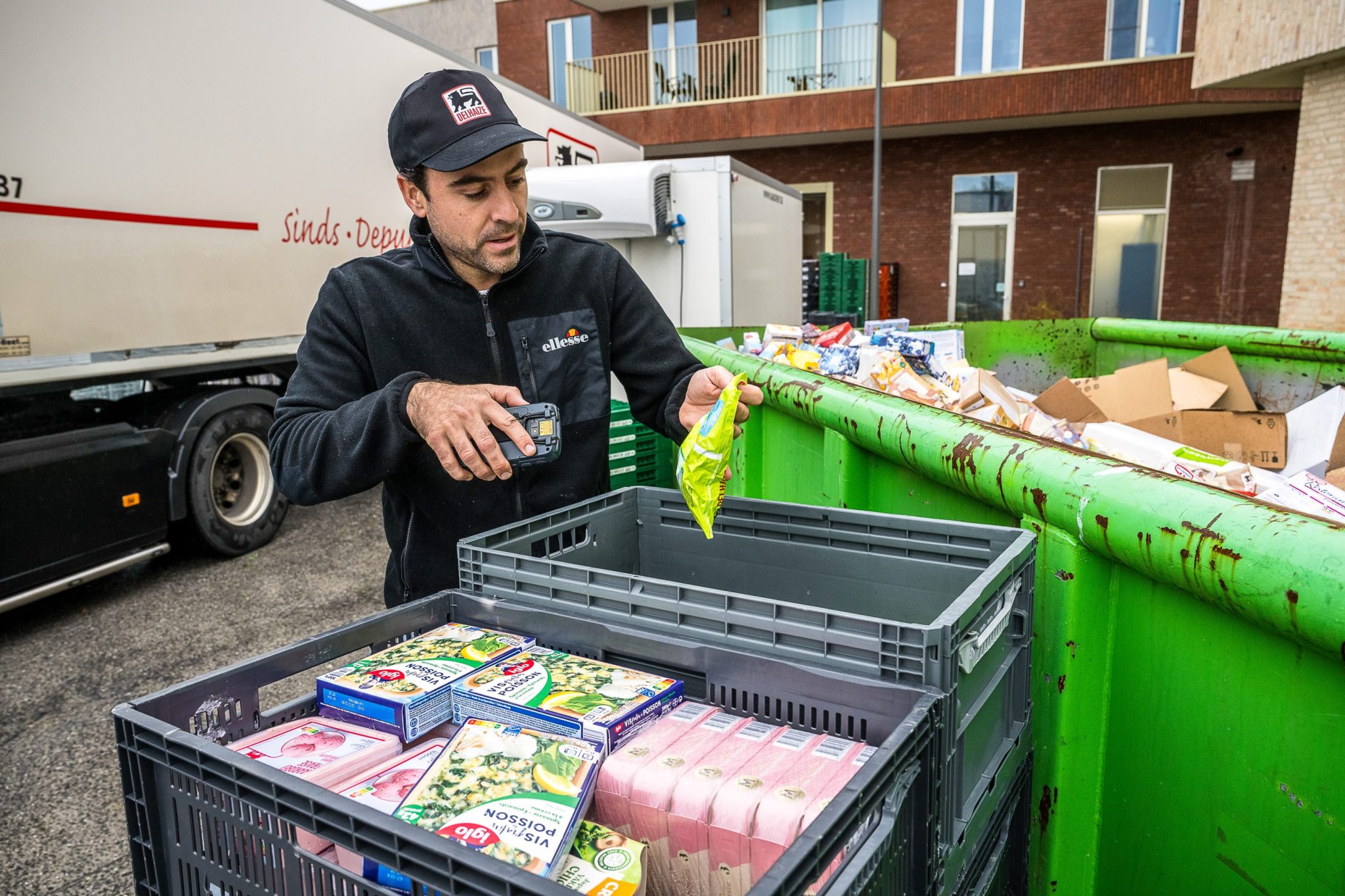
The Pentagon freezer cyberattack investigation is examining whether freezer failures that spoiled food at U.S. military commissaries in late August were caused by a hack. Reuters reported that the inquiry is also in contact with French law enforcement after attacks on supermarket cooling systems in France and a later wave of apparent disruptions elsewhere in Europe.
The cases have not been tied together publicly. Reuters said it could not determine how far the Pentagon’s investigation had progressed, whether it had reached conclusions or who, if anyone, might be responsible.
What is the Pentagon investigating about freezer failures?
At least six on-base commissaries, the stores where military personnel buy food, experienced freezer malfunctions in late August, according to Reuters’ review of base posts and website updates. Four officials familiar with the matter told Reuters the Pentagon was treating the incidents as a suspected hack.
At Fort Huachuca in Arizona, a base account said on Aug. 26 that a freezer went into defrost mode, heating and spoiling food. The Pentagon said a Cyber Command unit was working with other government and law-enforcement partners, while the Army Criminal Investigation Division said its Cyber Field Office was involved.
The Army division said it was working with French law enforcement to better understand refrigeration outages in Europe, Reuters reported. That cooperation does not establish that the U.S. failures and European incidents had the same cause.
What happened in France and elsewhere in Europe?
In October, a cyberattack overrode commercial cooling controls at more than 350 French establishments, according to Reuters. The incident spoiled food, and some units were heated enough to catch fire.
On Nov. 2, supermarkets in several European countries reported a new round of refrigeration problems that NBC News described as apparent cyberattacks. Its reporting cited temperature spikes and spoiled food at stores in Sweden, the Netherlands, Belgium, Ireland, Luxembourg and Estonia.
Ahold Delhaize said it knew of an IT incident affecting refrigeration systems in some stores and was assessing the situation, NBC News reported. Stephan Moelans, chief executive of Belgian refrigeration company Sabcobel, told Belgium’s Belga agency that affected units had been switched into defrost mode.
Reports differ on the full list of retailers and countries affected in the later incidents. No culprit had been identified and no group had claimed responsibility in the supplied reporting.
Why are commercial cooling systems exposed?
Commercial refrigeration controllers can be connected to the internet for remote management, creating an opening for unauthorized access if systems are not adequately secured. Reuters reported that Danfoss said many controllers involved in the French incidents were obsolete or used outdated firmware, although Reuters could not establish whether Danfoss equipment or another brand was used at the U.S. bases.
Controllers designed for local servicing have increasingly been put online, industrial cybersecurity executive Bill Moore told Reuters. In refrigeration, an interruption can quickly turn into food losses because products can spoil before a system is restored.
This story draws on original reporting from Fortune.