
New World screwworm confirmed in Arizona, with 10 pet cases reported
Arizona is the third affected state in the U.S. outbreak, and veterinarians urge pet owners to seek prompt care for suspicious wounds.
By James Whitfield · Staff Writer
2 min read
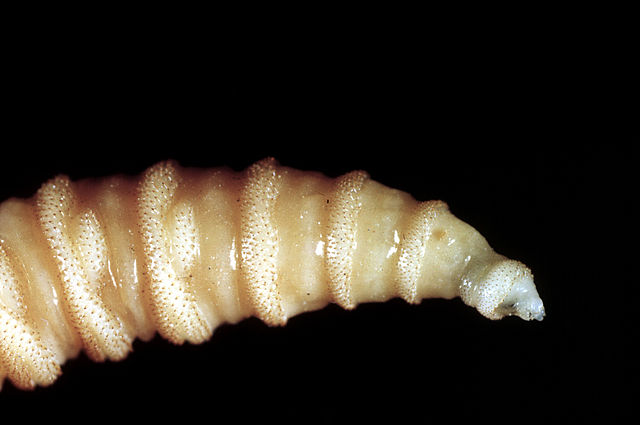
New World screwworm has been confirmed in Arizona, making it the third U.S. state with reported cases after Texas and New Mexico. The New World screwworm Arizona pets update brings the reported U.S. total to 74 animal cases since the flies reappeared in June, including 10 domestic pets, according to Ars Technica's report on federal and state records.
The Arizona case involved a dog in Cochise County, near the New Mexico and Mexican borders. A veterinarian examined the dog on Oct. 26 and found a back wound heavily infested with maggots consistent with New World screwworm, according to the Arizona Department of Agriculture, as reported by Ars Technica. The U.S. Department of Agriculture confirmed the infection and said it was working with Arizona on a joint response.
Most of the reported U.S. cases have involved livestock. But four newly recorded cases in dogs, including Arizona's first detection, and one case in a domestic cat in New Mexico brought the pet total to 10, Ars Technica reported. The agency also recorded a case in a wild elk the previous week.
What is New World screwworm and what should pet owners watch for?
New World screwworm is the larval stage of the blowfly Cochliomyia hominivorax. Unlike many fly larvae, which feed on decaying material, screwworm larvae feed on living tissue, according to Veterinary Partner.
Female flies lay eggs in open wounds and around moist body openings. The larvae hatch and feed in the wound, which can cause serious tissue damage. Livestock are commonly affected, but dogs, cats, wildlife and people can also be infested, Veterinary Partner says.
Pet owners should seek veterinary care promptly for an open wound that grows quickly, smells strongly, drains pus or blood, or contains larvae. Other signs can include clusters of eggs at a wound's edge, flies repeatedly gathering around the animal, poor appetite, hiding or reluctance to move.
Pet owners should not try to identify screwworm by appearance alone. Veterinary Partner says larvae from different blowflies can look alike to untrained observers, and confirmation should be made by a veterinarian, potentially with assistance from parasite or insect specialists. Confirmed discoveries in the U.S. must be reported to state officials and/or the USDA Area Veterinarian-in-Charge.
Arizona agriculture officials urged livestock owners, pet owners and animal-industry partners to inspect animals closely and report unusual wounds consistent with screwworm without delay. Earlier in the outbreak, an Associated Press report dated June 8 described five confirmed cases: four in Texas livestock and one dog in New Mexico. That was an early snapshot, rather than the later nationwide total.
This story draws on original reporting from Ars Technica.