
Why moderates are seen as disloyal by both sides, study finds
Five U.S. experiments found liberals and conservatives often treat centrists as backing opponents when issues feel threatening or moral.
By Tom Brennan · Health & Medicine Correspondent
3 min read
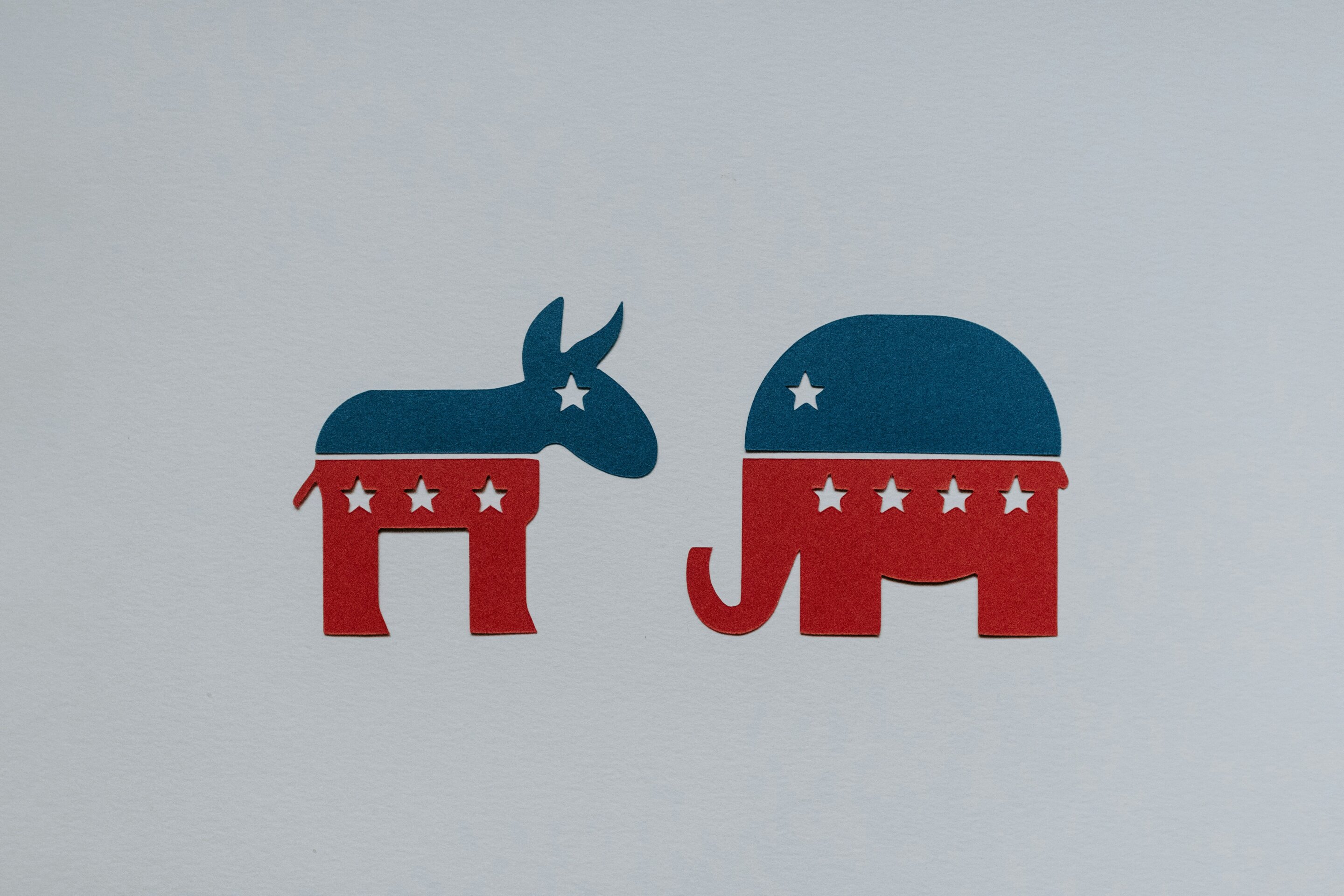
A new study explains why moderates are seen as disloyal by both sides of a political fight. The research, published in the Journal of Experimental Psychology and described by the American Psychological Association, found that people often read a middle-ground stance as help for their opponents when politics feels threatening.
The findings point to a problem for democratic bargaining, according to lead researcher Giulia Maimone, a postdoctoral scholar in marketing at the University of Florida. Maimone said moderates often help make compromise and coalition building possible, but rejection from both sides can make compromise itself look suspect.
Why are moderates seen as disloyal?
The researchers describe the pattern as the “moderate as out-group” effect. In practical terms, it means partisans may judge a moderate as failing to reject the opposing side strongly enough, so the moderate gets treated as aligned with that opposition.
According to the study, that reaction was stronger among participants who held more extreme political views, saw an issue in moral terms or felt threatened by the other side. The effect appeared across several contentious topics rather than in only one policy dispute.
What the experiments tested
The study included five online experiments with more than 3,200 people in the United States, according to the American Psychological Association. Participants reported how strongly they identified with liberal or conservative positions on divisive issues, including abortion, Israel and Palestine, and support for Donald Trump or Kamala Harris in the 2024 presidential election.
In one experiment, participants evaluated a moderate abortion policy that permitted the procedure during the first trimester. Both people who identified with pro-life views and those who identified with pro-choice views tended to see the policy as favoring the opposing camp, according to the researchers.
Another experiment took place five days before the 2024 presidential election. Participants considered a hypothetical person who supported Trump and Harris equally, then answered questions about whether choosing one candidate over the other was a moral issue.
Those participants were also asked about threat. The questions covered whether they would feel personally threatened, whether someone they knew would be threatened, or whether society would be threatened if the other party’s candidate won.
What the findings suggest about polarization
Maimone said the results suggest political polarization can feed on itself. Distrust can extend beyond ideological opponents to people trying to occupy the middle, which can weaken the social space needed for negotiation.
The study also warns that moderates who feel rejected by all sides may face pressure to choose one camp. Maimone said that could deepen polarization if people abandon middle positions because neither side treats them as acceptable.
The researchers also identified possible ways to reduce the effect. Maimone said lowering the moral temperature of some political debates and avoiding portrayals of opponents as threatening could make cross-party cooperation feel more acceptable.
The paper, titled “Whoever Is Not With Me Is Against Me: The ‘Moderate as Out-Group’ Effect,” was published in the Journal of Experimental Psychology.
This story draws on original reporting from Phys.org.