
Banana River hypoxia study links low oxygen to buried nutrient release
Florida Tech researchers found low oxygen at the Banana River floor may release phosphorus that can help fuel harmful algal blooms.
By Priya Raghavan · Science Reporter
2 min read
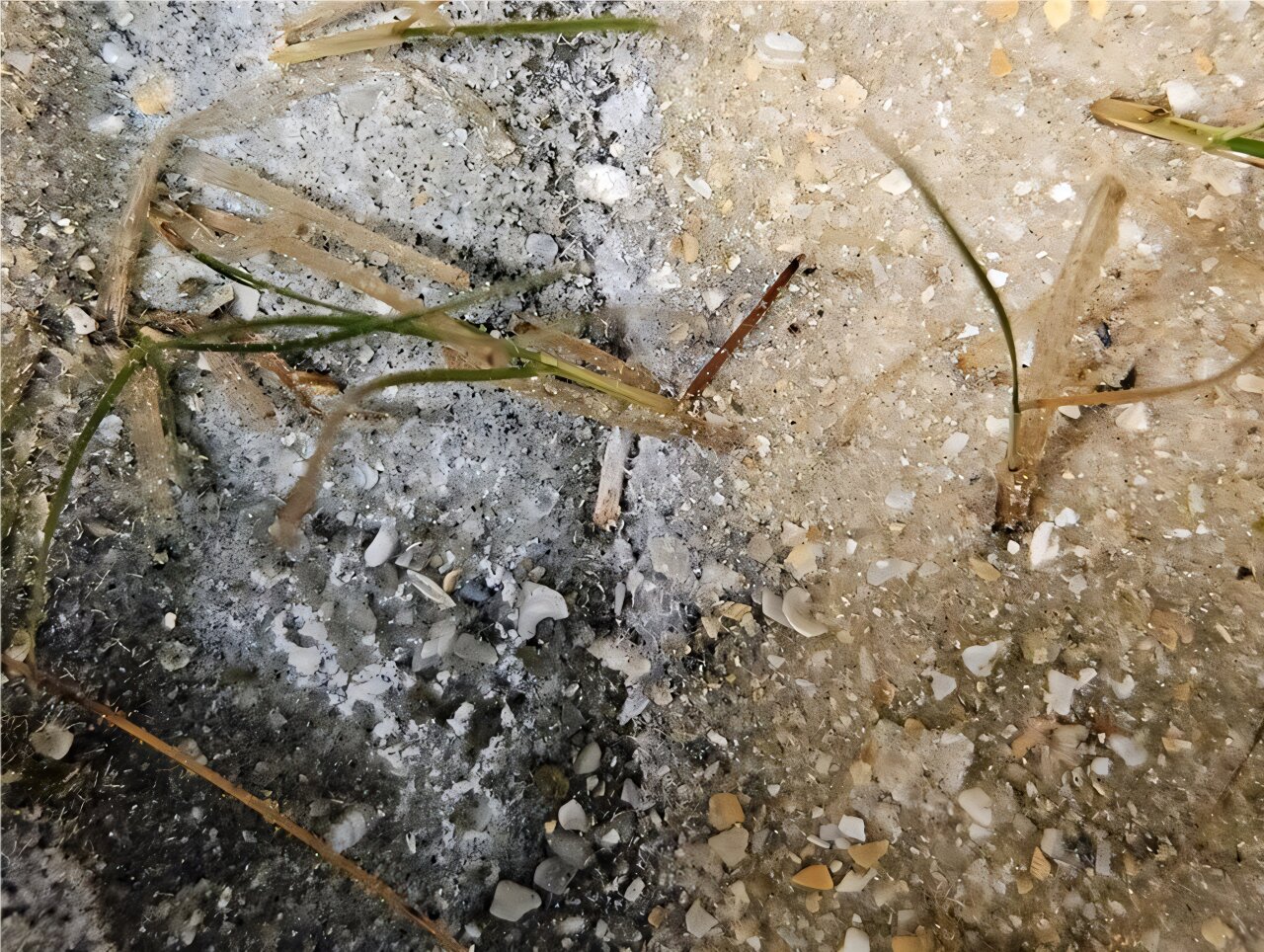
A Banana River hypoxia study by Florida Tech researchers found that low oxygen near the riverbed may release buried phosphorus into the water, a process the team says can help feed harmful algal blooms. The findings matter because common readings nearer the surface or at mid-depth can miss oxygen conditions affecting animals that live in or near sediment.
The research, led by Florida Tech marine sciences assistant professor Austin Fox, was published in August in Frontiers in Marine Science, according to a Florida Tech account published by Phys.org. The team measured oxygen at 80 locations along the floor of the Banana River, a shallow estuary within Florida's Indian River Lagoon system.
What did the Banana River hypoxia study find?
According to the researchers, dissolved oxygen at the sediment-water interface was 10% to 15% lower than readings near the surface or at mid-depth. Hypoxia means low dissolved oxygen, which can be dangerous to marine life.
That difference can leave a problem undetected by monitoring higher in the water column, the researchers said. Fish swimming above the bottom may encounter different conditions than clams, shrimp, worms and other organisms that live in or dig through the sediment.
The team also reported that muck deposits were associated with hypoxia as far as 500 meters, or 1,640 feet, beyond the deposits' physical footprint. In the Indian River Lagoon, muck is the regional term for fine-grained, organic-rich sediment that has built up on the bottom.
Individual low-oxygen episodes could be brief, but the monitoring data showed that at least one sensor somewhere in the lagoon registered hypoxic conditions 90% of the time, according to the Florida Tech account. That measure does not mean the whole river was hypoxic at the same time.
How could low oxygen add nutrients back to the water?
The researchers said muck-associated hypoxia can harm bottom-dwelling organisms and bacteria that help keep sediment oxygenated. Healthy, oxygenated sediment forms a barrier between the water above and phosphorus below, according to the team.
When organisms that maintain that oxygenated condition die, phosphorus can be released back into the water, the researchers said. They described the process as internal nutrient loading and said it could reinforce a cycle in which released nutrients promote algal blooms that also contribute to hypoxia.
The Florida Tech account said the paper was the first to determine that internal nutrient loading is occurring in this estuary, a conclusion attributed to the research team. Fox said future work will seek to measure hypoxia's effects across the Indian River Lagoon and its tributaries and to better quantify nutrients coming from low-oxygen zones.
This story draws on original reporting from Phys.org.