
Honda warns proposed 50% Canada auto tariffs could damage industry
Honda says a threatened Jan. 1 increase in U.S. tariffs on Canadian vehicles and parts would disrupt an integrated North American industry.
By Maya Lindqvist · Senior Technology Correspondent
2 min read
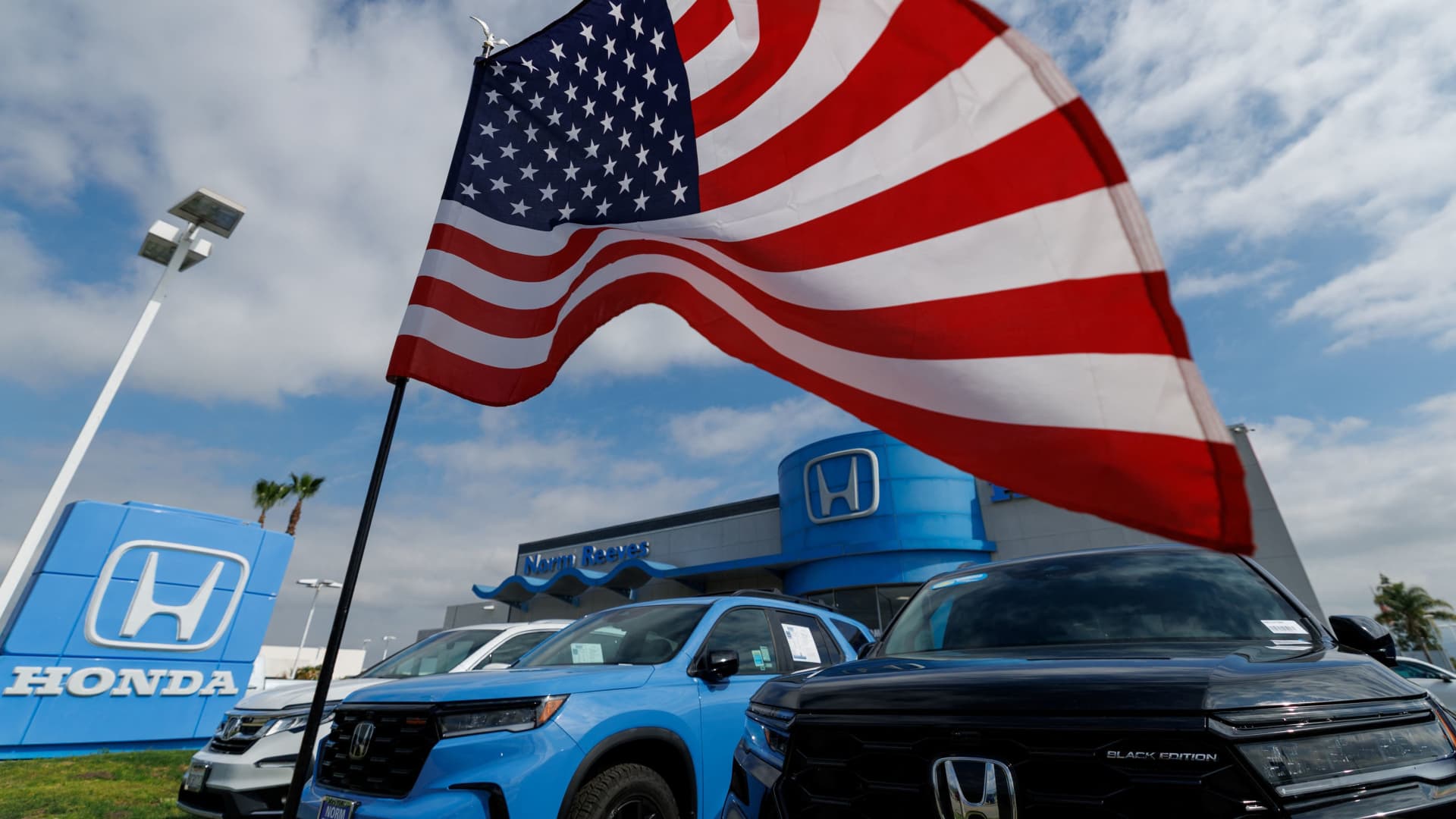
Honda Canada auto tariffs could rise to 50% on Jan. 1 if the United States and Canada fail to reach a trade agreement, under a threat described by CNBC. Jennifer Thomas, American Honda Motor Co.’s senior vice president for corporate affairs, said the proposed increase would be “catastrophic” for the auto industry.
Thomas made the warning Oct. 27 at the Reuters Automotive USA conference in Detroit. The threatened rate would double the 25% tariff level on Canadian vehicles and parts described by CNBC; it has not taken effect.
Would 50% tariffs on Canadian autos take effect Jan. 1?
The increase is conditional on the absence of a U.S.-Canada trade deal by Jan. 1, according to CNBC. Thomas said she was cautiously optimistic that negotiators would avoid a doubling of the rate, citing reports that trade talks between the countries had resumed.
Reuters, in reporting published by The Detroit News, said the countries were discussing possible relief from tariffs affecting Canadian autos and steel. The reports do not establish that an agreement has been reached or that a 50% tariff on autos will be imposed.
Why Honda wants a three-country agreement
Honda is urging the United States, Canada and Mexico to retain a three-country trade framework rather than rely on separate bilateral deals. Thomas said the arrangement was necessary for the U.S. industry to remain competitive, Reuters reported.
The position reflects the way vehicle production operates across the region. Parts regularly move across national borders during manufacturing, and Reuters reported that higher tariffs could raise costs and shape decisions on where companies build new plants. For a broader explanation of import duties, see how tariffs work and who pays them.
The United States-Mexico-Canada Agreement, which replaced NAFTA and took effect in 2020, had moved to an annual review process rather than receiving an automatic 16-year extension, CNBC reported. The pact sets North American content requirements for vehicles seeking its trade benefits, Reuters reported.
Reuters also reported, citing people familiar with the negotiations, that the U.S. had sought a requirement that North American-built vehicles contain 50% U.S.-specific content. That proposal would lift the regional-content threshold to 82% to qualify for U.S. benefits, according to those sources, and remains a reported negotiating position rather than settled policy.
Honda is the second-largest vehicle producer in Canada behind Toyota, CNBC reported. The company says more than 60% of the vehicles it sells in the United States are made at U.S. assembly plants, but Thomas said tariff uncertainty still puts the broader North American production system at a disadvantage.
This story draws on original reporting from CNBC.