
Weekly beef-to-salmon swap could cut UK diet emissions, study says
Bristol and Southampton researchers modeled UK diets to 2050 and found replacing one beef portion with salmon could bring health and climate gains.
By Priya Raghavan · Science Reporter
3 min read
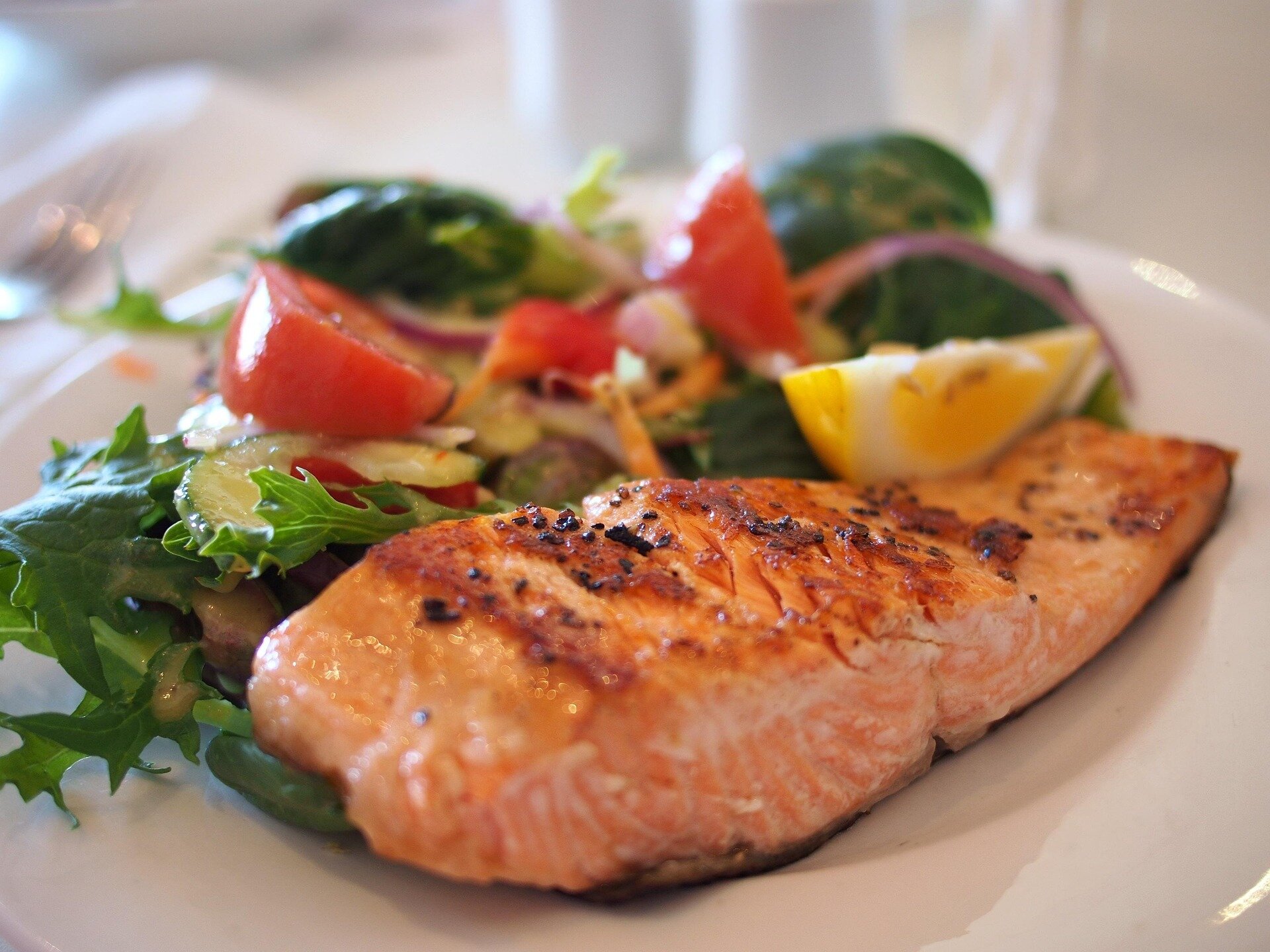
Replacing one weekly serving of beef steak with salmon could nearly double the long-term emissions cuts expected from current UK eating trends, according to researchers at the universities of Bristol and Southampton. The finding matters because the study says UK meat intake remains two to three times above recommended guidelines while food is a major contributor to greenhouse gas emissions.
The study, published in Environmental Research: Food Systems, used data from 4,000 UK households in the Family Food Dataset. The research team modeled diet-related carbon emissions from 2021 to 2050 under five scenarios: current trends, lower protein intake through less meat and dairy, a weekly beef-to-salmon substitution, the NHS Eatwell guidance and the EAT-Lancet Planetary Health Diet.
How the diet options compared
Under a business-as-usual scenario, the researchers found food-related emissions would fall 15% by 2050 if trends continued as they did from 2001 to 2021. The paper compared that saving with the carbon associated with a return flight from London Heathrow to Madrid, a distance of 2,486 kilometers.
The single weekly swap from beef steak to UK-sourced salmon produced a projected 28% reduction, the study found. The researchers compared that to a return flight from Heathrow to Marrakech, Morocco, covering 4,583 kilometers.
Other diet changes led to larger modeled reductions. Cutting protein intake by reducing meat and dairy produced a 39% fall in emissions, while following the NHS Eatwell diet reduced emissions by 42%, according to the study. The Planetary Health Diet produced the largest modeled cut, at 49%.
The paper also calculated the weekly beef-to-salmon change as a reduction of 7.30 kilograms of carbon dioxide emissions per person per week when modeled to 2050. The researchers said the substitution was chosen because beef and salmon steaks are familiar foods and are largely produced within the UK.
Health and food supply factors
Dr. Jenny Baverstock, lead author and honorary research fellow in the University of Bristol’s School of Biological Sciences, said the findings point to practical diet changes that could support lower emissions while also aligning with health advice. Baverstock, previously a principal enterprise fellow at the University of Southampton, said the salmon substitution offers both nutritional and environmental benefits.
The study notes that the food and agriculture sector accounts for 26% of human-caused emissions globally and 20% in the UK. It also says animal agriculture is responsible for 82.5% of global food industry emissions, with beef, lamb and pork among higher-impact protein sources.
The researchers identified fish, chicken and legumes as lower-impact alternatives to red meat proteins. They also cited evidence that meat consumption, especially processed meat and unprocessed red meat, is a risk factor for type 2 diabetes.
The study says UK seafood intake is 31% below government recommendations, creating room for increases if supply and sustainability concerns are addressed. The researchers cautioned that population-level diet shifts are difficult and would require attention to livestock farmers, fishing industry sustainability and wider food system effects.
Professor Guy Poppy, pro vice chancellor for research and innovation at the University of Bristol and a co-author, said greater public awareness of sustainable eating could make a salmon-for-beef swap appealing to people seeking to lower their environmental footprint. He also said recent trade tensions may give the UK reason to examine domestic fish supply as part of future protein security.
This story draws on original reporting from Phys.org.