
Batavia shipwreck cargo points to complex 1600s trade routes
Curtin-led research found stone cargo from the 1629 Batavia wreck came from multiple European quarry areas, not one source.
By Lucas Ferreira · Science & Environment Writer
3 min read
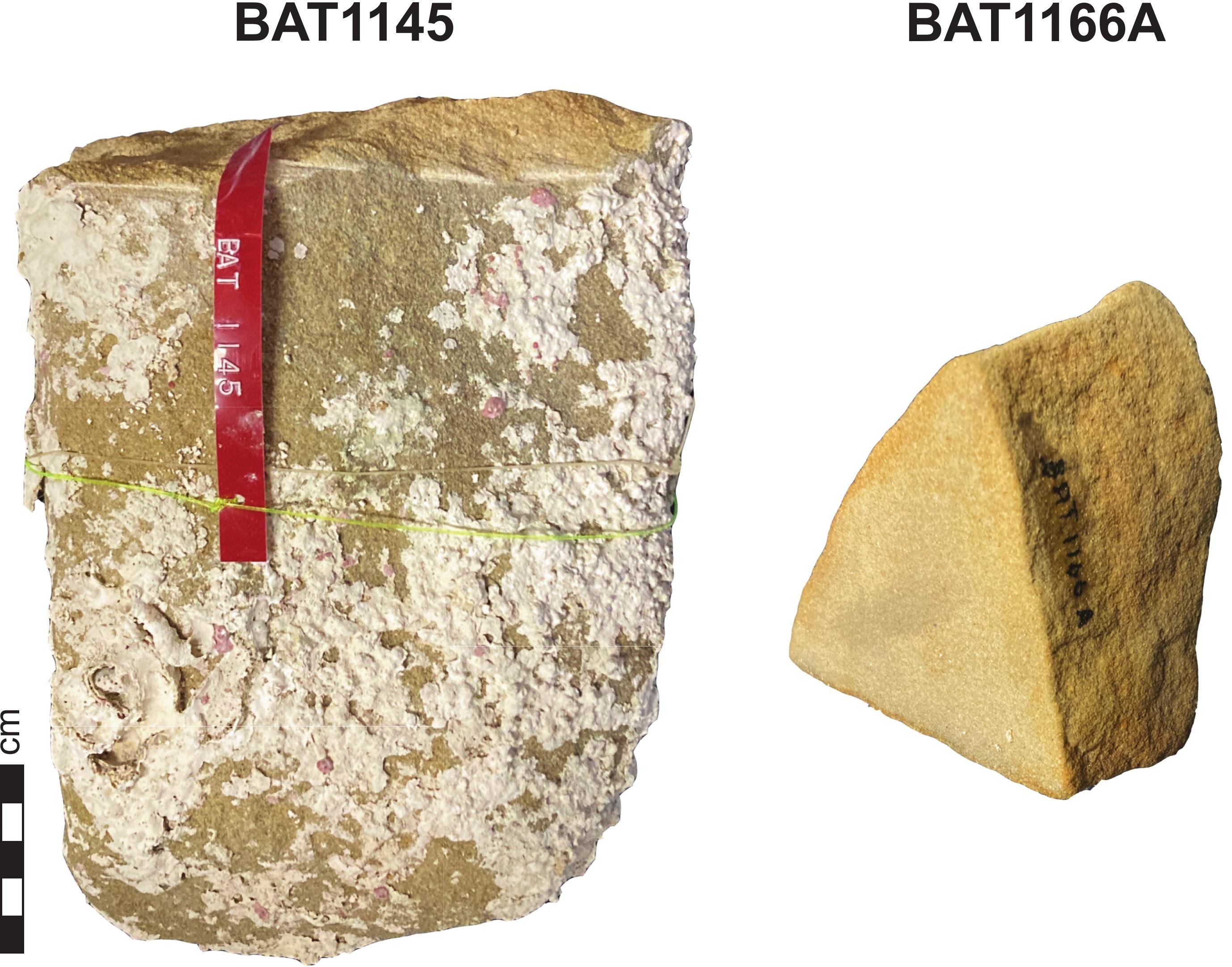
A Curtin University-led study of Batavia shipwreck cargo has found that building materials aboard the Dutch East India Company vessel came from more than one European quarry area. The finding matters because it shows that 17th-century trade networks could gather, combine and move construction materials across long distances with more organization than researchers had assumed.
The study examined stone blocks, bricks and ballast recovered from the Batavia, which sank off Western Australia in 1629. Curtin University said the analysis showed the materials were not all from a single origin, but from multiple quarry sources in Europe.
The work was published in the Journal of Archaeological Science: Reports. The research team included lead researcher Dr. Anthony Clarke of Curtin’s School of Earth and Planetary Sciences and co-author Dr. Corioli Souter, head of maritime heritage at the Western Australian Museum.
Where did the Batavia shipwreck cargo come from?
According to Curtin University, microscopic mineral evidence showed that sandstone blocks that appeared alike came from at least two different quarry areas in what is now Germany. The materials were then assembled into one shipment before being carried toward Asia.
The Batavia was transporting prefabricated sandstone blocks, thousands of bricks and other building supplies when it wrecked in the Houtman Abrolhos Islands. Curtin said the sandstone was likely meant for the Dutch East India Company’s main fortified headquarters in Jakarta.
Clarke said the team wanted to resolve a long-running question about the building stone’s origin, because surviving written records are incomplete and centuries underwater can make stones hard to distinguish by sight. He said tiny mineral grains offered a way to identify where the stone had formed.
How did researchers trace the shipwreck stones?
The team used samples provided by the Department of Maritime Archaeology at the Western Australian Museum. Researchers applied detrital zircon U-Pb dating, a geochemical method that examines zircon grains within rock.
Zircon grains can preserve information about the age and geological history of the rocks they came from. By comparing that mineral fingerprint with possible source regions, researchers can narrow down where stone cargo was quarried even when blocks look similar.
Curtin University said the results add detail that visual inspection and surviving archives could not provide on their own. Clarke said the method helped reveal how materials were sourced and moved through the Dutch East India Company’s trade network.
What does the Batavia study show about 1600s trade?
The findings point to a coordinated supply chain in which building materials from different quarry areas were consolidated before shipment. Curtin said that complexity supported the Dutch East India Company’s expansion and the construction of colonial infrastructure across large distances.
The Batavia wreck was discovered in 1963 and is among Australia’s major maritime archaeology sites. It is also known for the mutiny and massacre that followed the wreck.
Souter said the research shows that museum collections from historic shipwrecks can still yield new information when combined with scientific testing. The team plans to study more Batavia stones and material from other shipwrecks, comparing them with a broader set of European quarry sources to map past trade routes in greater detail.
This story draws on original reporting from Phys.org.