
Water speed shifts Europe's nitrogen pollution risks, study finds
A Science study links nitrate leaching to how quickly water moves through soils and rivers, with climate change altering risks across Europe.
By Lucas Ferreira · Science & Environment Writer
3 min read
The pace of water moving through European catchments can raise or lower the risk that nitrogen pollution reaches rivers, groundwater and streams, according to a study published in Science. The work matters because fertilizer-driven nitrate pollution threatens freshwater ecosystems, drinking water, food production and wider environmental stability, the researchers said.
The study was led by the Leibniz Institute of Freshwater Ecology and Inland Fisheries, known as IGB, with the Helmholtz Center for Environmental Research, or UFZ. The team reported that nitrogen pollution risk depends on both how much water moves through a region and how quickly that water travels.
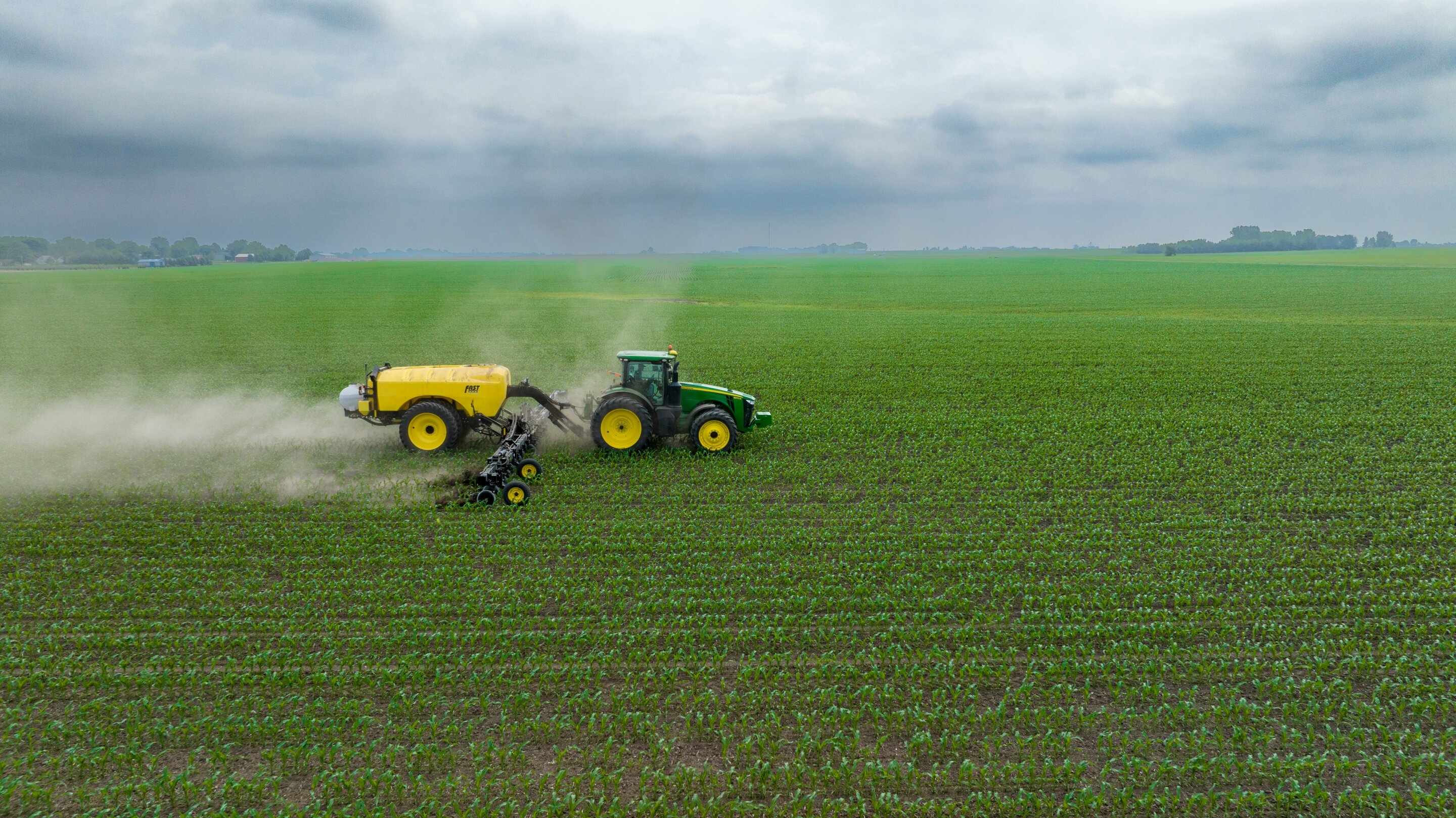
Human nitrogen added to land ecosystems has doubled since before the industrial era, mainly through synthetic and organic fertilizer use, according to the researchers. When more nitrogen enters soils than plants and microbes can take up, some of it can wash into water bodies.
To study that movement, the team built a process-based model that tracks water and nitrogen flows using stable water isotopes. The researchers applied the model to more than 3,800 European river basins and examined changes in water cycling from the 1980s onward.
The study found that fast-moving water can leave less time for nitrogen to be retained or removed before it reaches groundwater and streams. The researchers said such higher velocities are common along Europe’s northwestern coast and in mountain areas.
Slower water movement, which the study said is more typical of lowland regions, can give plants and microorganisms more time to take up nitrogen. Lead author Songjun Wu said the findings show water velocity is an important control on nitrogen leaching, alongside fertilizer and other human inputs.
The researchers also reported that the size of climate-driven hydrological change helps determine whether nitrogen leaching rises or falls. Moderate shifts in water cycling generally reduced leaching in the study, while stronger acceleration or slowdown tended to increase it.
During very wet periods, faster water movement can flush nitrogen from soils into water bodies before much retention occurs, the researchers said. During drought-linked slowdowns, plant and microbial uptake can weaken, nitrogen can build up in soil, and later heavy rain can trigger leaching pulses.
The team described these limits as “wetness boundaries,” thresholds that mark a safer range for water-cycle change. Project supervisor Doerthe Tetzlaff of IGB and Humboldt University zu Berlin said the idea could help identify where nitrogen leaching risk may rise under hydrological change.
For the rest of this century, the projections diverge by emissions pathway, according to the study. Under a low-emissions scenario, hydrological changes remain within those wetness boundaries and nitrogen leaching declines in more than 70% of Europe, the researchers said.
Tetzlaff linked that outcome to warmer conditions and longer growing seasons that can increase uptake and metabolism by plants and organisms. Under high-emissions scenarios, the study projected greater risk in large parts of Eastern and Southern Europe as drying suppresses vegetation and microbial uptake.
Co-author Chris Soulsby of the University of Aberdeen said the drying trend creates risks for both water amount and water quality, and may also affect regions including Central and East Asia. The study said limiting climate extremes and reducing human nitrogen inputs could help keep systems within wetness boundaries.
The researchers pointed to crop rotation, better-targeted fertilization and improved wastewater treatment as ways to reduce nitrogen pressure. The paper, by Songjun Wu and colleagues, is titled “Divergent evolution of nitrogen cycling along gradients of landscape water velocities.”
This story draws on original reporting from Phys.org.