
Typhoon Noul evacuations top 340,000 in southern China
China moved more than 340,000 people in Guangdong as Typhoon Noul neared landfall, disrupting rail, work and flights in Hong Kong.
By Tom Brennan · Health & Medicine Correspondent
3 min read
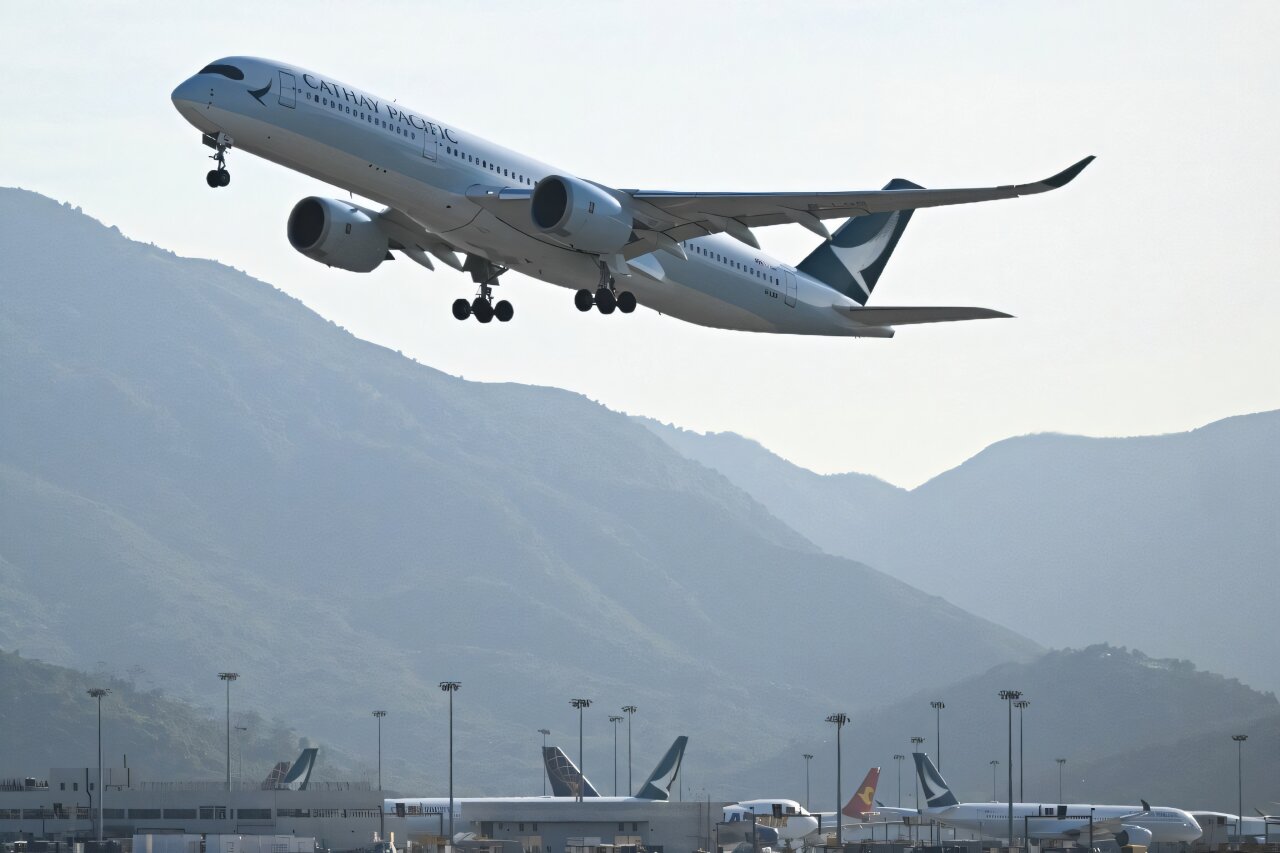
Typhoon Noul evacuations in southern China have exceeded 340,000 as authorities prepare for landfall in Guangdong province, according to Xinhua news agency. The storm has already disrupted rail, work and air travel, with Hong Kong also canceling and delaying flights.
China’s National Meteorological Center said Typhoon Noul was expected to come ashore early Sunday along the Guangdong coast between Shenzhen and Haifeng. The agency issued a red typhoon alert Saturday night, its highest warning in a four-level system.
The center forecast maximum sustained winds of 151 to 173 kilometers per hour, or 94 to 107 mph, at landfall. It also said parts of Guangdong and the nearby provinces of Hunan, Fujian and Jiangxi were due to see heavy rain from Saturday night through Sunday night.
Where will Typhoon Noul make landfall in China?
China’s National Meteorological Center said the typhoon was forecast to strike the coast between Shenzhen and Haifeng in Guangdong province early Sunday. That stretch includes a densely populated and economically important part of southern China near Hong Kong.
Xinhua reported that more than 340,000 people had been evacuated in Guangdong. The news agency said 12 cities in the province, including Guangzhou, Dongguan and Shantou, had fully or partly suspended classes, work, production, business activity and transportation.
State broadcaster CCTV said all train services in Guangdong would stop Sunday. Xinhua reported that Guangdong raised its emergency response for flood and typhoon control to level three in a four-tier system Saturday afternoon, while level-four flood emergency responses were activated for Jiangxi and Hunan.
Hong Kong flights and shelters affected
Hong Kong issued its third-highest typhoon warning Saturday night, and local authorities said 28 temporary shelters had opened across the city. The Hong Kong Observatory said it would consider raising the warning to the second-highest level early Sunday and said local winds would strengthen sharply overnight.
Hong Kong’s airport authority said Saturday that at least 49 flights had been canceled and 238 delayed. It also said many more flights were expected to be affected on Sunday.
Cathay Pacific said it canceled all flights scheduled to arrive at or leave Hong Kong International Airport from 1:15 a.m. to 6 p.m. local time Sunday. The airline said a small number of additional flights would be delayed as it prepared to restart operations after the storm passed.
Shenzhen Bao’an International Airport said airlines would adjust schedules from Sunday morning to around midday depending on weather conditions.
CCTV, citing meteorologists, said Typhoon Noul posed a high disaster risk because of its inland reach, expected duration, heavy accumulated rainfall and path over complex terrain.
Southern and central China have already faced severe weather this month. AFP reported that Typhoon Maysak triggered floods in Guangxi that killed 39 people, and also brought thunderstorms and gale-force winds to Hubei that killed 11 people and injured 331.
AFP also reported that scientists warn global extreme weather events are expected to grow more frequent and intense as the planet warms because of fossil fuel emissions. China is the world’s largest greenhouse gas emitter, AFP reported, while also being a major renewable energy producer with a target of making its economy carbon-neutral by 2060.
This story draws on original reporting from Phys.org.