
Fossil study links Triassic fern spread to repeated European fires
Utrecht-led researchers say fern savannahs helped sustain wildfires during the end-Triassic extinction about 201 million years ago.
By Lucas Ferreira · Science & Environment Writer
3 min read
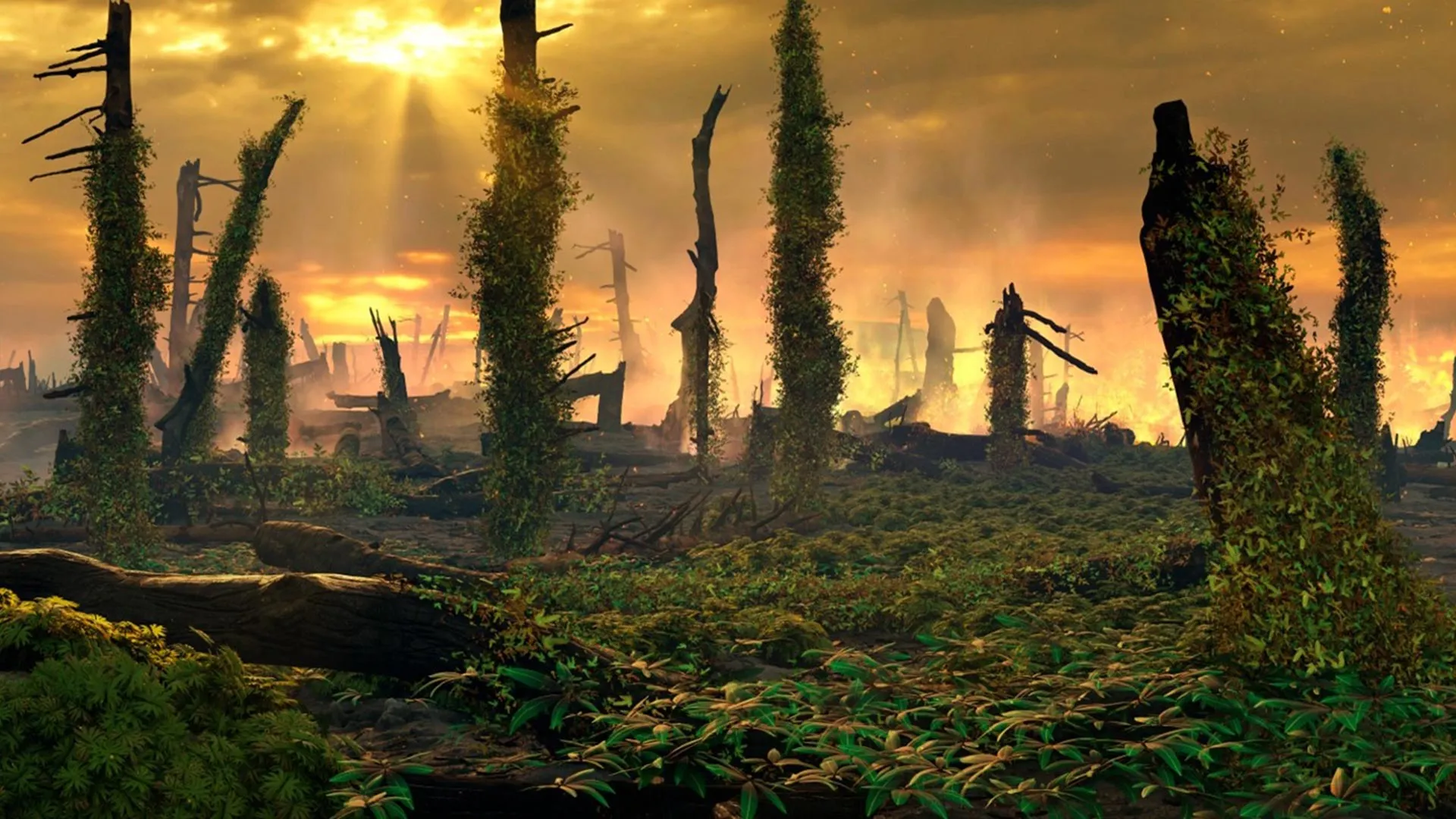
Fern-dominated plains may have helped keep parts of Northwest Europe burning during the end-Triassic mass extinction, according to research led by Utrecht University. The finding matters because it points to a feedback loop in which warming, forest loss and fast-growing plants reinforced repeated fires.
The extinction event, about 201 million years ago, has been linked by researchers to large volcanic eruptions during the break-up of Pangea. Utrecht University said those eruptions released large amounts of carbon dioxide and raised global temperatures by an estimated 5 to 10 degrees Celsius.
In a study published July 21, 2026, in Nature Geoscience, an international team reported that forests dominated by trees declined as the climate warmed. Ferns then spread over disturbed ground in what is now Northwest Europe, creating savannah-like vegetation that the researchers say was prone to repeated burning.
Fire signals in ancient sediment
The team examined sediment from four drill cores, including a recently collected 640-meter core from the United Kingdom, according to Utrecht University. Researchers compared several fire indicators, including fossil charcoal and polycyclic aromatic hydrocarbons, or PAHs, compounds formed in wildfire smoke.
Those measurements were paired with fossil pollen and spores. Utrecht University said the combined record showed a sharp rise in fire activity during the main extinction interval, at the same time fern spores became much more common.
The researchers also noted problems with standard fire markers. Charcoal fragments can break into smaller pieces and inflate apparent fire counts, while PAHs can move away from the fires that made them and may degrade over geological time, according to the university.
To test the fire record another way, the team measured color changes in fossil pollen and spores. Bas van de Schootbrugge of Utrecht University, a senior author of the paper, said the study used a low-cost method called the Palynomorph Darkness Index to quantify how dark the microfossils were.
Buried organic fossils generally darken with increasing heat and pressure at greater depth. Van de Schootbrugge said the cores showed a different pattern: older, deeper fossils stayed relatively light, fossils from the extinction interval turned very dark brown, and later fossils returned to a pale yellow color.
Because all four cores showed the same dark interval despite different geological histories, the team concluded burial alone could not explain the pattern, according to Utrecht University. The researchers made 15,000 color measurements and found the darkening affected plant groups broadly, not only ferns.
Van de Schootbrugge said the dark interval lined up with the fern spike, the main extinction interval and elevated charcoal and PAH levels. The team interpreted that overlap as evidence of an extended period of severe wildfire activity.
A cycle of regrowth and fuel
Utrecht University said the fern expansion was probably driven by several pressures acting together, including deforestation, erosion, greenhouse warming and fire. Some ferns can quickly colonize damaged ground and regrow from underground root systems after their above-ground parts burn.
That trait may help explain why the fern spike lasted so long. The researchers estimated the interval continued for at least 40,000 years and possibly up to 300,000 years, according to Utrecht University.
Van de Schootbrugge said dry fern mats could provide strong fuel for new fires. The study argues that fast-spreading pioneer and weedy ferns formed broad fern savannahs, and that some species may have helped flames move through vegetation while suppressing other plants.
The researchers described a cycle in which warming and forest collapse opened space for ferns, ferns fed fires, and fires cleared ground that ferns could rapidly recolonize. Van de Schootbrugge said the findings show how climate change, deforestation and opportunistic species can combine to intensify environmental disruption.
This story draws on original reporting from ScienceDaily.