
Swidden agriculture sustainability study points to local social rules
A PNAS study of 18,000 forest patches finds small communities can limit clearing through customary labor rules.
By Lucas Ferreira · Science & Environment Writer
3 min read
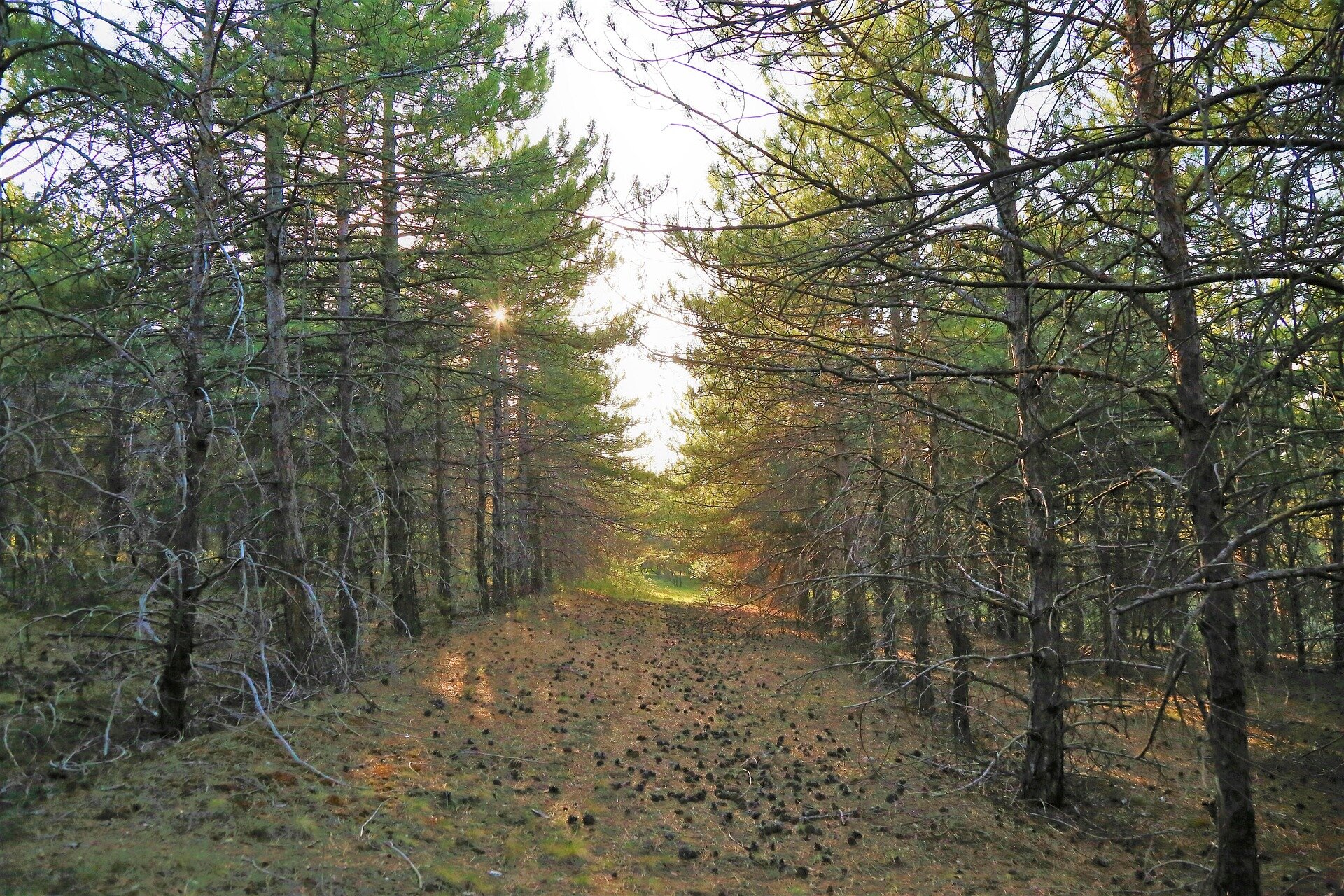
A new study on swidden agriculture sustainability argues that small rural communities can keep shifting forest farms from expanding too far through customary rules, according to researchers at The Ohio State University. The findings, published in the Proceedings of the National Academy of Sciences, challenge the broad treatment of swidden farming as a direct path to rainforest destruction.
The research team studied more than 18,000 forest patches across Central and South America, sub-Saharan Africa, and South and Southeast Asia. Sean Downey, an Ohio State anthropology professor and lead author, said the work shows that small-scale rural communities can manage forests through local practices and should be supported in doing so.
Is swidden agriculture sustainable?
Swidden agriculture, often called slash-and-burn farming, can be sustainable when fields are cleared on a limited scale and then left fallow long enough for forest to regrow, according to the study. The researchers found that local social expectations can reduce the total area cleared without formal government enforcement.
Swidden is an ancient farming system used in tropical and subtropical forests for about 10,000 years, according to Ohio State. In places such as Belize, farmers cut a forest plot, allow the vegetation to dry, burn it, plant crops after rains begin and then shift away after one or two harvests as soil nutrients decline.
During the fallow period, forest returns to the cleared area. The study describes this cycle as a system shaped by farming labor, fire, forest regrowth and social rules that influence how much land people ask others to help clear.
How social rules limit forest clearing
Downey’s team focused on the role of shared labor. According to the researchers, a farmer who asks neighbors for help with a modest plot is more likely to receive assistance, while a farmer who asks for help clearing a much larger area may find fewer people willing to join.
That response can act as a practical limit on land use. If neighbors withhold labor, the farmer may be unable to clear the larger plot, and repeated decisions of that kind can guide people toward smaller requests, Downey said.
The study connects this process to normative reasoning, in which people act on shared ideas about acceptable behavior. The researchers also relate it to the work of Nobel Prize-winning economist Elinor Ostrom, who showed that communities can protect shared resources through social sanctions rather than relying only on official rules.
To test the idea, the interdisciplinary team used a computer model and remote-sensing data from farming communities in several regions. According to the study, coordinated land clearing can produce patchwork forest patterns that repeat at different scales, while cultural expectations can hold down the overall amount of land converted for farming.
What the study says about biodiversity
The researchers also reported that moderate disturbance can increase biodiversity. Downey said swidden fields create new habitat during the fallow stage, allowing different species to thrive in areas that would not exist in a mature forest alone.
The study does not argue that all clearing is harmless. According to the researchers, too much forest clearing can convert forest to grassland, while limited and rotating swidden use can support both harvests and forest recovery over time.
Downey said policy has not yet fully accounted for the possible ecological benefits of moderate swidden use. The study’s authors say conservation and climate planning should recognize that community rules, not only top-down regulation, can shape forest outcomes.
This story draws on original reporting from Phys.org.