
Sweden rare earth deposits could support cleaner magnet supply
Uppsala University researchers are mapping Swedish minerals to design rare earth magnets with less processing and less dependence on China.
By Lucas Ferreira · Science & Environment Writer
3 min read
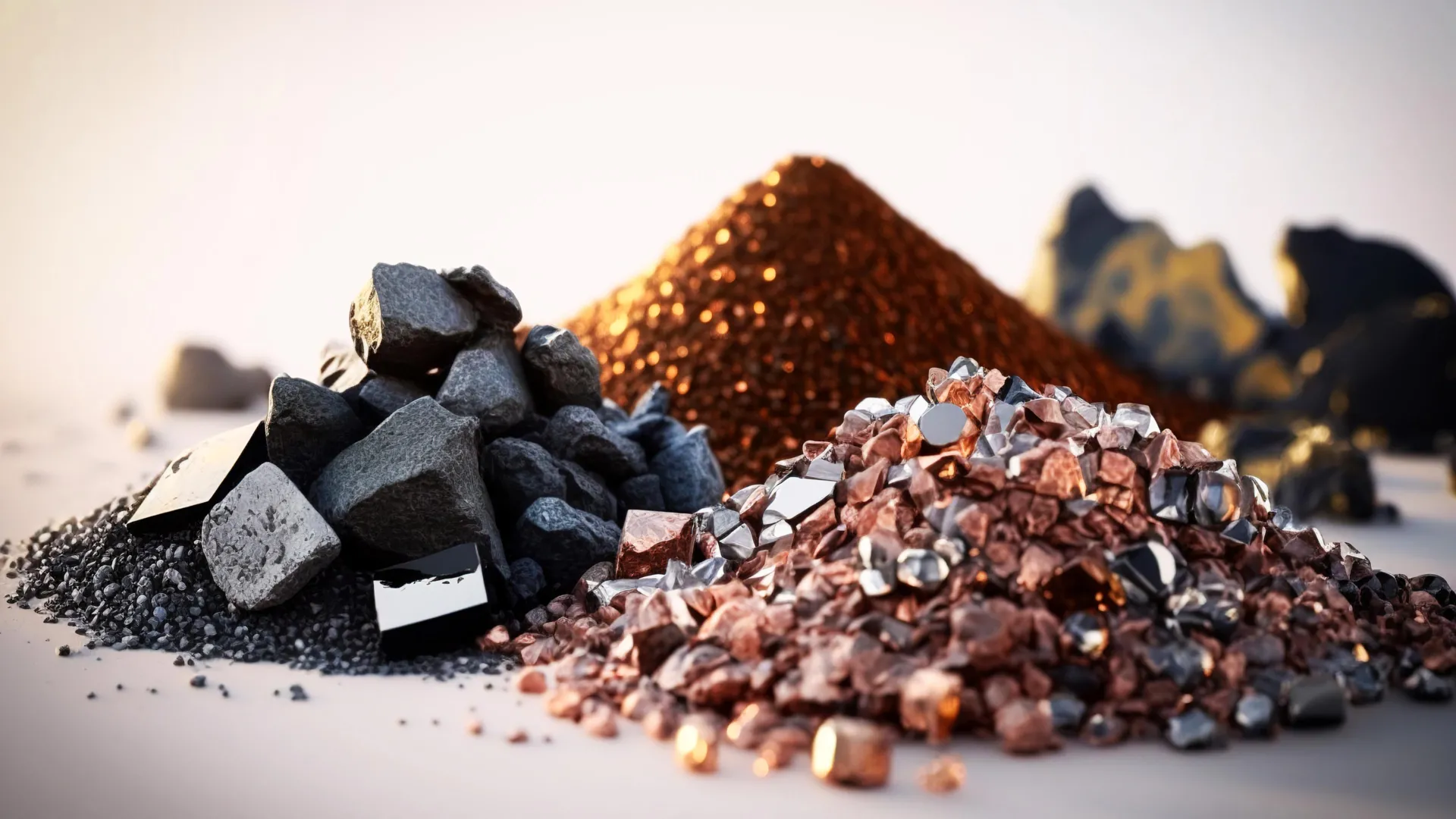
Sweden rare earth deposits could become a domestic base for cleaner magnet production, according to researchers at Uppsala University. The work matters because rare earth magnets are used in technologies tied to the green transition, while much of today’s production is concentrated in China.
Uppsala University said Martin Sahlberg, a professor of materials chemistry, is studying whether Swedish mineral resources can support a more sustainable magnet industry within the university’s Sustainable materials and material flows research area. The project looks beyond mining a single target metal and instead examines the full mix of elements found in Swedish deposits.
Rare earth elements are used in displays, magnets and other functional materials, according to Uppsala University. Despite the name, Sahlberg said the elements themselves are not unusually rare; the problem is finding deposits where they occur in amounts that make extraction economically workable.
How could Sweden rare earth deposits reduce reliance on China?
Sahlberg told Uppsala University that rare earth magnets are mostly made in China, where environmental rules and industrial practices differ from Sweden’s. He described rare earth supply as a geopolitical issue and pointed to China’s halt in rare earth exports during trade tensions, as well as disputes involving Greenland and a Ukraine-United States mineral resources agreement.
Processing rare earth materials can also carry environmental risks, according to Uppsala University. Separating and purifying the elements may require toxic chemicals, and radioactive substances are often found in the same geological settings.
Sweden has known rare earth mineral deposits in Kiruna, Bergslagen and Norra Kärr outside Gränna, Uppsala University said. Sahlberg said Sweden’s prospects for rare earth extraction are relatively strong by international comparison, and he cited access to water, relatively inexpensive energy and national interest in the green transition as advantages.
Researchers want magnet formulas that fit local minerals
The Uppsala team is not starting with existing magnet recipes and forcing Swedish ores to match them. Instead, the researchers are cataloging which elements occur in the deposits and in what proportions, then using that information to design magnets suited to those naturally available combinations.
Uppsala University said that approach could cut the amount of purification and processing needed before manufacturing. If more of each mineral mixture can be used, the work could also reduce waste and lower the environmental burden linked to rare earth production.
Sahlberg compared the inventory process to checking what ingredients are already available before deciding what to make. Historically, mining has often focused on one metal such as iron, copper or gold, he told the university; this project takes a broader view of the materials present in a deposit.
What happens next in the research?
Uppsala University said the effort is interdisciplinary and expected to run for many years. Materials theoretical physicists, geologists and materials engineers are working together to study the route from mineral deposit to finished magnet.
The research remains basic science, Sahlberg said, but it is tied to a technology area that could become more important for Sweden and for industries seeking lower-impact supply chains. The university said the immediate task is to build a clearer scientific picture of Sweden’s rare earth resources before new magnet designs can be developed around them.
This story draws on original reporting from ScienceDaily.