
Study ties invasive raccoons to bacteria found in Osaka rivers
Osaka Metropolitan University researchers found Escherichia albertii in rivers and raccoons, raising concern about food and water exposure.
By Lucas Ferreira · Science & Environment Writer
3 min read
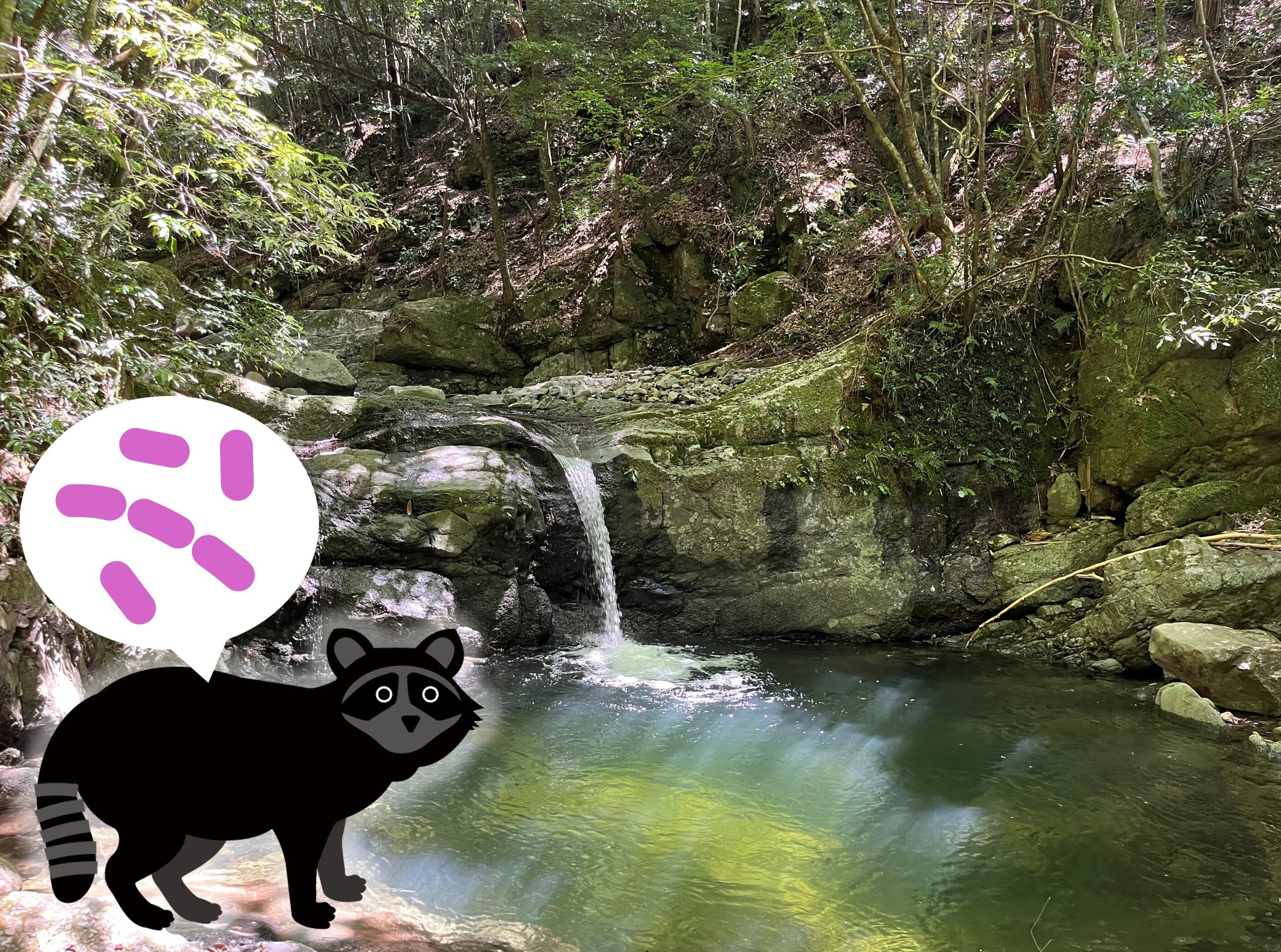
Researchers in Japan have linked invasive raccoons to a food-poisoning bacterium found widely in rivers in Osaka Prefecture. Osaka Metropolitan University said the findings point to a possible route for Escherichia albertii to move from wildlife into water, crops or food systems used by people.
The study, led by Associate Professor Atsushi Hinenoya of the university’s Graduate School of Veterinary Science, examined environmental water, wild raccoons and bacterial genomes. The results were published in Applied and Environmental Microbiology.
Rivers and raccoons tested
Osaka Metropolitan University said E. albertii has been tied to severe food poisoning outbreaks and hospitalizations through contaminated water and foods, including salad ingredients. The university said raccoons are a concern because the animals live near forests, rivers, farms and urban areas, and their feces can contaminate waterways, livestock feed and irrigation systems.
Hinenoya’s team surveyed wild raccoons and environmental water in Osaka Prefecture, where the university said raccoon populations are high. According to the researchers, the bacterium appeared in 77% of water samples and in six of eight river systems examined.
The team reported that samples without the bacterium were collected in winter and early spring, when raccoon carriage of E. albertii usually falls. The researchers also found the bacterium upstream and close to water sources, including places away from homes, farms and recreation sites.
Osaka Metropolitan University said that pattern suggested wildlife was helping introduce the bacterium into rivers. The study also found E. albertii in 56% of 122 wild raccoons analyzed.
Genetic evidence raised health concerns
The researchers used whole-genome analysis to compare bacteria found in animals and water. Osaka Metropolitan University said the genetic data showed varied strains, many of them matching strains from water samples, which the team interpreted as evidence that the bacterium is established in the local environment rather than coming from one isolated contamination event.
According to the study, every sequenced strain carried genes associated with disease in humans. Osaka Metropolitan University said some strains were closely related to strains previously collected from infected patients, including cases involving severe diarrhea.
Hinenoya said the presence of human-pathogenicity genes in all isolates, along with similarities to patient-derived strains, indicates a possible public health risk. The university said recurring circulation of the bacterium in wildlife and rivers could expose people through contaminated food or water and make outbreaks harder to trace.
Researchers call for broader monitoring
The research team said surveillance focused only on human infections would miss part of the problem. Osaka Metropolitan University said the findings support a One Health approach, which considers human health, wildlife, agriculture and environmental systems together.
The team plans to study the specific routes by which raccoons, waterways, farm products and food may be connected. Hinenoya said the same approach could be used to study other diseases that pass between animals and people, with the goal of improving infectious disease control strategies.
The paper is titled “Integrated study on the occurrence and genomic features of Escherichia albertii in environmental water and raccoons in Japan.” It was authored by Hinenoya and colleagues and published in 2026 in Applied and Environmental Microbiology, according to Osaka Metropolitan University.
This story draws on original reporting from Phys.org.