
Spermidine supplement shows early vaccine benefit in older adults
A small trial found the food-derived compound improved some COVID-19 vaccine responses in older adults with weak initial immunity.
By Tom Brennan · Health & Medicine Correspondent
3 min read
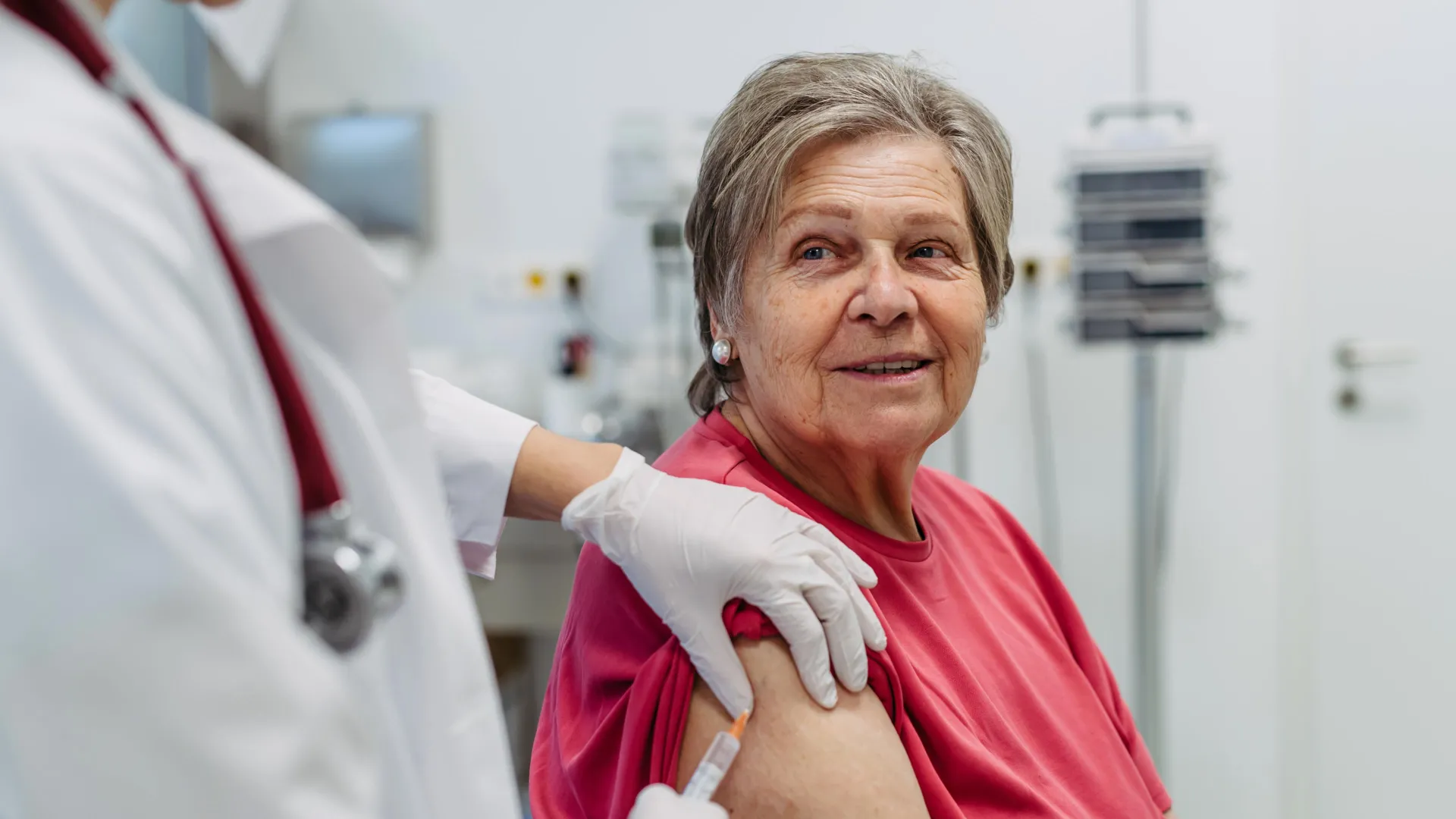
A naturally occurring compound found in foods including wheat germ, mushrooms and aged cheese may help some older adults mount stronger responses after vaccination, according to researchers at the Max Delbrück Center for Molecular Medicine. The finding matters because immune responses to vaccines can weaken with age, leaving some older people less protected even after repeat shots.
The pilot study, published in Aging Cell, tested daily supplements of spermidine after a third COVID-19 vaccination in healthy adults aged 65 and older. The Max Delbrück Center said the clearest gains appeared in participants who had shown poor immune responses before receiving the supplement.
What the trial tested
The research was led by Dr. Katja Simon of the Max Delbrück Center’s Cell Biology of Immunity lab and Dr. Ghada Alsaleh of the University of Oxford’s Nuffield Department of Orthopaedics, Rheumatology and Musculoskeletal Sciences, according to the center. Scientists from the Oxford Vaccine Group and Cardiff University also took part.
The study enrolled 40 healthy people aged 65 or above after their third COVID-19 vaccine dose, according to the published research summary. Participants received either six milligrams of spermidine or a placebo each day for 13 weeks.
Spermidine is made by human cells and is also present in foods such as wheat germ, mushrooms, parmesan and cheddar, the Max Delbrück Center said. Previous research has linked the molecule to cellular maintenance processes that become less active during aging, according to the center.
Why older immune systems respond differently
The researchers focused on immunosenescence, the gradual decline in immune function associated with aging. The Max Delbrück Center said this process can make it harder for the body to respond to infections and can reduce the immune response generated by vaccines.
Older adults often produce fewer protective antibodies and T cells after vaccination, with similar patterns seen for COVID-19 and influenza vaccines, according to the research team. In this trial, about one quarter of participants had very weak antibody responses despite having received three vaccine doses.
Those weaker responders also showed biological signs of immune-cell aging, the researchers reported. Their immune cells had more DNA damage and molecular markers tied to cellular senescence, a state in which damaged or aged cells stop functioning normally but remain in the body.
Signals of stronger protection
Among the vaccine nonresponders who took spermidine, researchers reported higher antibody levels against SARS-CoV-2 and stronger neutralizing activity against several variants. The Max Delbrück Center said the supplement also reduced markers associated with immunosenescence.
The team also found increased autophagy, a cell recycling process that helps remove damaged material and maintain normal function, according to the center. Researchers reported no adverse effects linked to spermidine, and said the supplement was safe and well tolerated in the trial.
Alsaleh said many older adults respond well to vaccines, while some do not develop strong protection even after repeated vaccination. She said the findings suggest spermidine could help restore parts of immune function in that group.
The researchers cautioned that the work was a pilot study with a small number of participants. Simon said larger studies are needed to test whether spermidine can reliably improve vaccine responses and whether the same effect appears with other vaccines, including seasonal influenza shots.
This story draws on original reporting from ScienceDaily.