
US space launch environmental rules would be loosened under proposal
The FAA plan would let commercial space permits bypass requirements in 13 federal laws, drawing environmental opposition.
By Tom Brennan · Health & Medicine Correspondent
3 min read
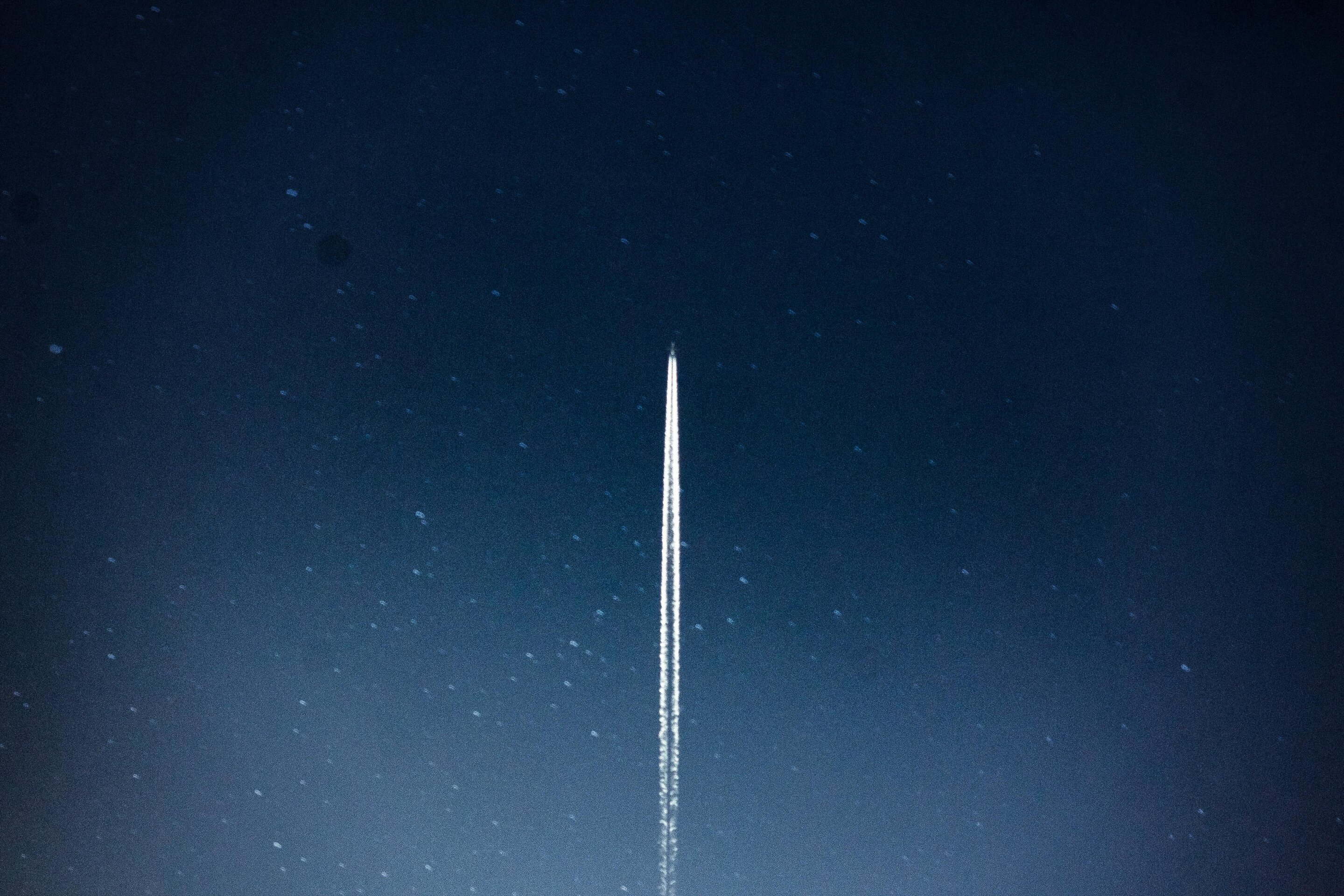
The Trump administration is proposing to loosen space launch environmental rules for commercial operators, saying faster approvals are needed to increase launches and compete with China. The Federal Aviation Administration said the changes would speed licenses and permits for rocket launches, spacecraft reentries and launch-site operations.
Transportation Secretary Sean Duffy, described by AFP as President Donald Trump’s transportation chief, framed the proposal as part of a broader space race. “America won the first Space Race, and we can do it again—but only if we get government red tape out of the way,” Duffy said in a statement.
The proposed rule would allow requirements under 13 federal laws to be waived for some commercial space licenses and permits, according to the Trump administration. The FAA said the affected laws would include the Endangered Species Act, parts of the Clean Water Act, the Clean Air Act and the National Historic Preservation Act.
What environmental rules would be waived?
The FAA said the waivers could apply to environmental review requirements tied to certain commercial space approvals. In practice, the agency said, that would let regulators move more quickly on permissions for rocket launches, spacecraft returns to Earth and the operation of launch and reentry sites.
The administration has tied the plan to rising space competition with China. AFP reported that the U.S. private sector now leads the global launch market, while China is advancing quickly and has a goal of sending astronauts to the moon by 2030.
The United States is also pursuing a lunar exploration program, AFP reported, with the goal of getting ahead of China. Trump signed an executive order in August 2025 aimed at strengthening the U.S. space industry, and the new FAA proposal follows that order.
The commercial space sector has expanded steadily since the early 2000s, particularly in the United States, according to AFP. SpaceX, Elon Musk’s company, recorded 165 orbital launches in 2025 and carried out several test flights of its Starship rocket, AFP reported.
Those activities have sharpened environmental scrutiny. AFP reported that launches from SpaceX’s Texas base, which is near protected natural areas, have faced strong criticism from advocacy groups in recent years.
Environmental opponents signaled they would challenge the proposal. Brett Hartl, government affairs director at the Center for Biological Diversity, said in a statement, “We’ve seen real environmental damage from the exploding rocket toys of the super-rich,” and called the proposal an “obscene giveaway to special interests.”
The FAA proposal is not final. AFP reported that it includes a 30-day public comment period, and the rule could be changed before the administration adopts it.
This story draws on original reporting from Phys.org.