
South Sudan antelope migration route added to UNESCO danger list
UNESCO listed the Boma-Badingilo route as South Sudan's first World Heritage site, citing threats from war and climate change.
By Lucas Ferreira · Science & Environment Writer
3 min read
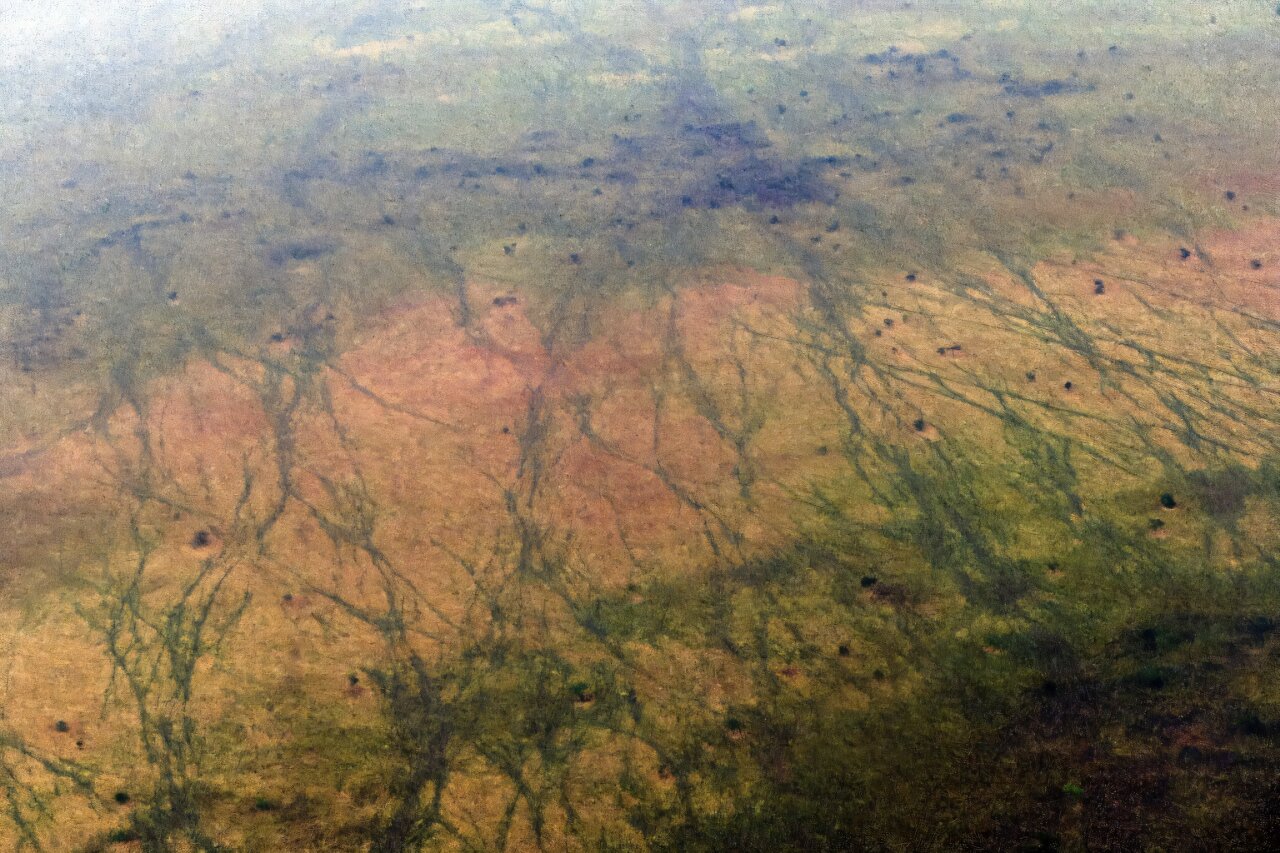
UNESCO has placed the South Sudan antelope migration route known as the Boma-Badingilo migratory landscape on its List of World Heritage in Danger, AFP reported. The decision gives the young country its first UNESCO World Heritage listing and puts new international attention on a wildlife corridor threatened by conflict and climate change.
The United Nations Educational, Scientific and Cultural Organization added the site on Sunday, according to AFP. The landscape covers about 37,500 square kilometers, or 14,500 square miles, of grassland and woodland savanna between the White Nile and the Ethiopian border.
AFP reported that the protected area is larger than Belgium. Each year, about 1 million animals, including antelopes and gazelles, move through the area, leaving tracks across the grasslands that can be seen from the air.
Why is the South Sudan antelope migration route on the danger list?
The Boma-Badingilo migratory landscape is considered at risk because of war and climate change, AFP reported. South Sudan has experienced repeated deadly conflicts since it became independent in 2011.
A World Heritage in Danger listing is used for sites facing serious threats and can help draw conservation support. AFP reported that World Heritage status can also encourage tourism and open access to funding for places affected by problems such as pollution, war or neglect.
South Sudanese officials welcomed the listing as a national milestone. Tourism Minister Denay Jock Chagor told AFP that Boma-Badingilo is “home to one of the greatest wildlife migrations on Earth” and called it a symbol of the country’s “resilience, beauty and potential.”
Chagor said the designation as South Sudan’s first UNESCO World Heritage Site was “a proud and historic moment” for the country, according to AFP. His comments framed the listing as both a conservation measure and an international recognition of South Sudan’s natural heritage.
Local community representatives also described the decision as recognition of people living alongside the wildlife. Paulino Warnyang, identified by AFP as a representative of communities in the area, said the listing honored “not only the animals and the land, but also the people whose lives, traditions and cultures have always been connected to them.”
The listing fast-tracks one of Africa’s major migration routes into a higher-profile conservation category. AFP reported that the Boma-Badingilo landscape’s annual movement of antelopes, gazelles and other animals is among the features that made the area eligible for international attention.
The new status does not by itself remove the pressures facing the site. It marks the route as a place where South Sudan, UNESCO and conservation supporters may seek resources to protect a migration system that spans a vast and politically fragile region.
This story draws on original reporting from Phys.org.