
Soil listening project tests underground sounds as a route back to nature
A German-Dutch project is using soil microphones and sensory activities to study whether nature experiences change environmental behavior.
By Priya Raghavan · Science Reporter
3 min read
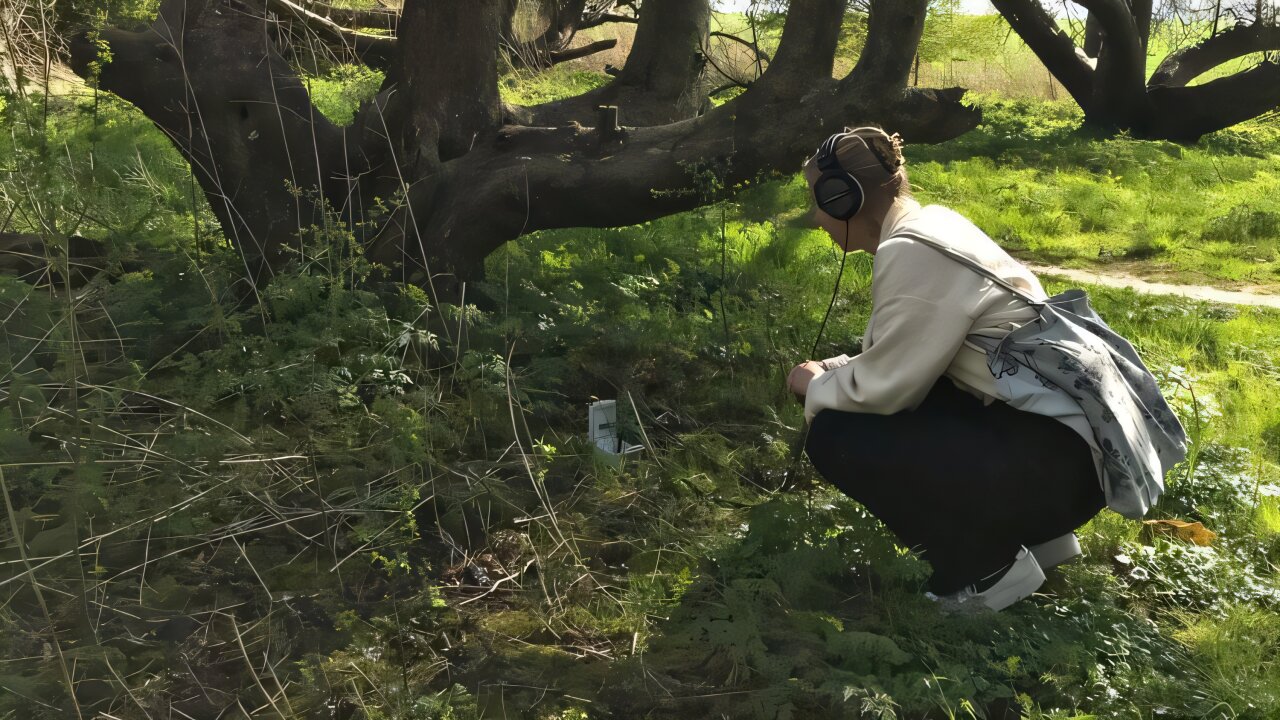
A German-Dutch soil listening project is using underground microphones to test whether hearing life beneath the surface can strengthen people’s bond with nature. The effort matters because researchers involved in the project say people who feel emotionally connected to nature are more likely to support environmental protection.
At an open house in June at the Botanical Garden in Oldenburg, visitors heard sounds from soil through a sensitive microphone placed about 30 centimeters underground, according to Carl von Ossietzky Universität Oldenburg. Dirk Albach, director of the Botanical Garden, said the experience helped many visitors recognize that soil contains active living systems.
The “Living Soil” installation was brought to the event by researchers from the Science Engagement Center at the University of Groningen, Oldenburg University said. The microphone picked up sounds made by insects, worms and other organisms below ground.
What is the soil listening project?
The soil listening work is part of “New Roots for Lasting Change,” a German-Dutch EU project involving the University of Oldenburg and the University of Groningen, according to Oldenburg University. The project is led by the provincial government of Fryslân in the Netherlands.
Other partners named by Oldenburg University include Park der Gärten in Bad Zwischenahn, Ökowerk Emden and Van Hall Laarenstein University of Applied Sciences in Leeuwarden. The broader project studies how sensory encounters with nature may affect what researchers call “nature connectedness.”
Nature connectedness describes whether people see themselves as part of nature and feel an emotional link to living and nonliving surroundings, according to Albach. He said research has associated stronger nature connectedness with better health, well-being and happiness, as well as greater willingness to act in environmentally conscious ways.
Why researchers are focusing on sensory experiences
Albach said earlier public education work on topics such as insect decline delivered information but did not appear, in evaluations, to increase people’s connection with nature. The New Roots team is therefore testing activities that ask participants to experience nature through touch, smell, sound and shared creative work.
Oldenburg University said planned and ongoing activities include school discovery tours at Park der Gärten, festival workshops, adult forest walks, artistic and cultural events, and cooperation with businesses and public authorities on sustainability-related workplace efforts. Examples include identifying leaves by touch, smelling herbs, touching landscape art and making mandalas from natural materials.
The Oldenburg part of the project works with companies and public agencies that want to build employees’ connection to nature, according to the university. Albach said such efforts can include group planting, visits to the Botanical Garden, wildflower meadows, bee hotels or broader redesigns of company grounds.
Environmental psychologist Maresa Pallasch is evaluating the initiatives and measuring how well they work, Oldenburg University said. Albach said the Botanical Garden also hopes to learn how future programs should be designed, including whether mixed-age groups matter and how direct contact with plants affects participants.
Albach said he is especially interested in giving children more direct experiences outdoors. He said many children now have limited contact with nature, and that some feel uneasy in forests or react negatively to insects.
The project’s central test is whether experiences such as hearing soil life can do what information alone often does not: help people build a lasting emotional relationship with the natural world. Oldenburg University said that question is now being examined across events, schools, workplaces and public programs in the cross-border project.
This story draws on original reporting from Phys.org.