
Smilodon spinal tumors point to inbreeding before extinction, study says
La Brea fossils show rare nerve tumors and spinal defects in saber-toothed cats, raising questions about inbreeding before extinction.
By Tom Brennan · Health & Medicine Correspondent
3 min read
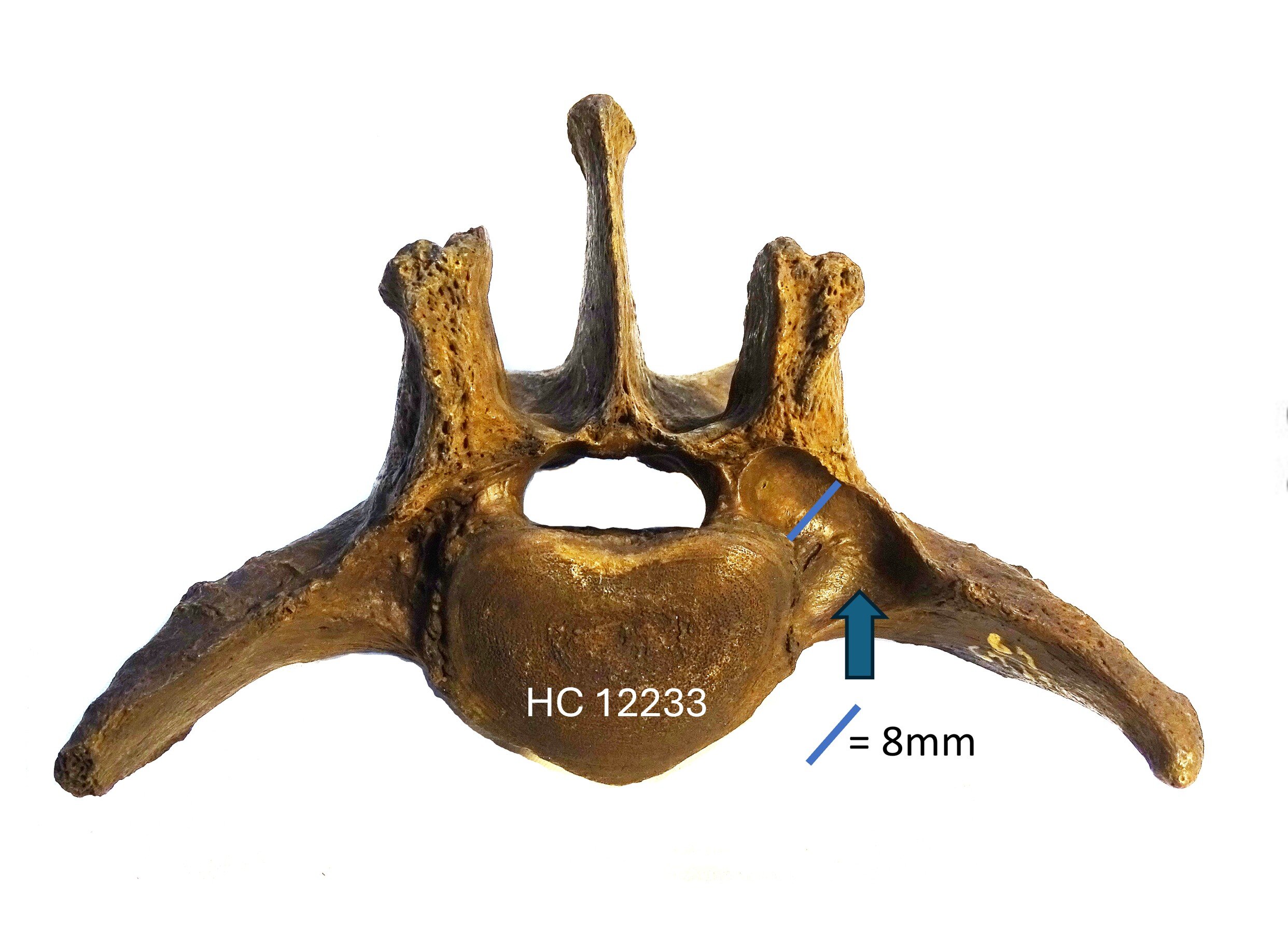
Smilodon spinal tumors found in fossils from California’s La Brea Tar Pits may help explain how some saber-toothed cats struggled late in the species’ history, according to a study in Frontiers in Veterinary Science. The research team reported an unusually high rate of rare spinal nerve tumors, along with other skeletal defects, and said the pattern may indicate inbreeding before extinction.
Dr. Hugo Schmökel of the Evidensia Academy Sweden and the University of Zürich led the study. He said predators weakened by pain or illness may have been more willing to risk approaching trapped prey in the tar pits, where animals could become stuck in sticky crude oil seeps.
La Brea preserved large numbers of Pleistocene animals after prey became trapped and drew predators to the same hazard. Smilodon fatalis, an ambush predator, was among the carnivores caught there.
What did the La Brea fossils show?
The researchers examined 3,722 vertebrae in the La Brea Tar Pits Museum collection, representing at least 849 adult saber-toothed cats. They looked for disease, abnormal development and other changes in the bones.
The team found 32 vertebrae with incompletely developed arches, 48 fused “block” vertebrae and 226 transitional vertebrae, according to the study. Transitional vertebrae form with features associated with a different part of the spine, such as a neck vertebra developing in a way that resembles a thoracic vertebra with a rib.
The most unusual finding involved three vertebrae with enlarged foramina, the openings where nerves pass through the spine. Schmökel and his colleagues said smooth remodeling around those openings is strong evidence that tumors grew slowly enough to press into and reshape the bone.
Spinal nerve tumors are rare in living animals and people. The study said doctors see about 0.22 to 0.38 cases per 100,000 humans, while the three fossil cases translate to an estimated 353 cases per 100,000 Smilodons at La Brea. The affected vertebrae came from three different pits, so the researchers concluded they belonged to three different animals.
Why would tumors matter for survival?
A spinal nerve tumor can cause pain and, in advanced cases, loss of nerve and limb function. Schmökel said dogs with these tumors often show pain, and many human patients report pain as well; he said Smilodon likely experienced similar effects.
Such symptoms could have made hunting harder. The researchers said cats dealing with pain or reduced mobility may have relied more on scavenging and taken greater risks near trapped prey, increasing their chances of dying in the tar.
The study does not prove why the tumors were so common. The researchers said the high number of developmental abnormalities supports the possibility that Smilodon populations had become inbred, though they said genetic analysis would be needed to confirm that.
As populations shrink, fewer mates are available and harmful genetic variants can become more common, the team said. The study noted that similar spinal malformations have been recorded in modern inbred gray wolf populations.
Schmökel said inbreeding should be understood as a medical consequence of population decline, not the initial cause. He pointed to pressures such as habitat loss, pollution, hunting, poaching and, in some places today, climate change as drivers that reduce wild cat populations and make recovery harder once inbreeding appears.
This story draws on original reporting from Phys.org.