
Small river flood risk rises for millions of U.S. residents, study finds
A Nature Sustainability study says U.S. small rivers face high future flood risk and costly defense upgrades as the climate changes.
By Priya Raghavan · Science Reporter
3 min read
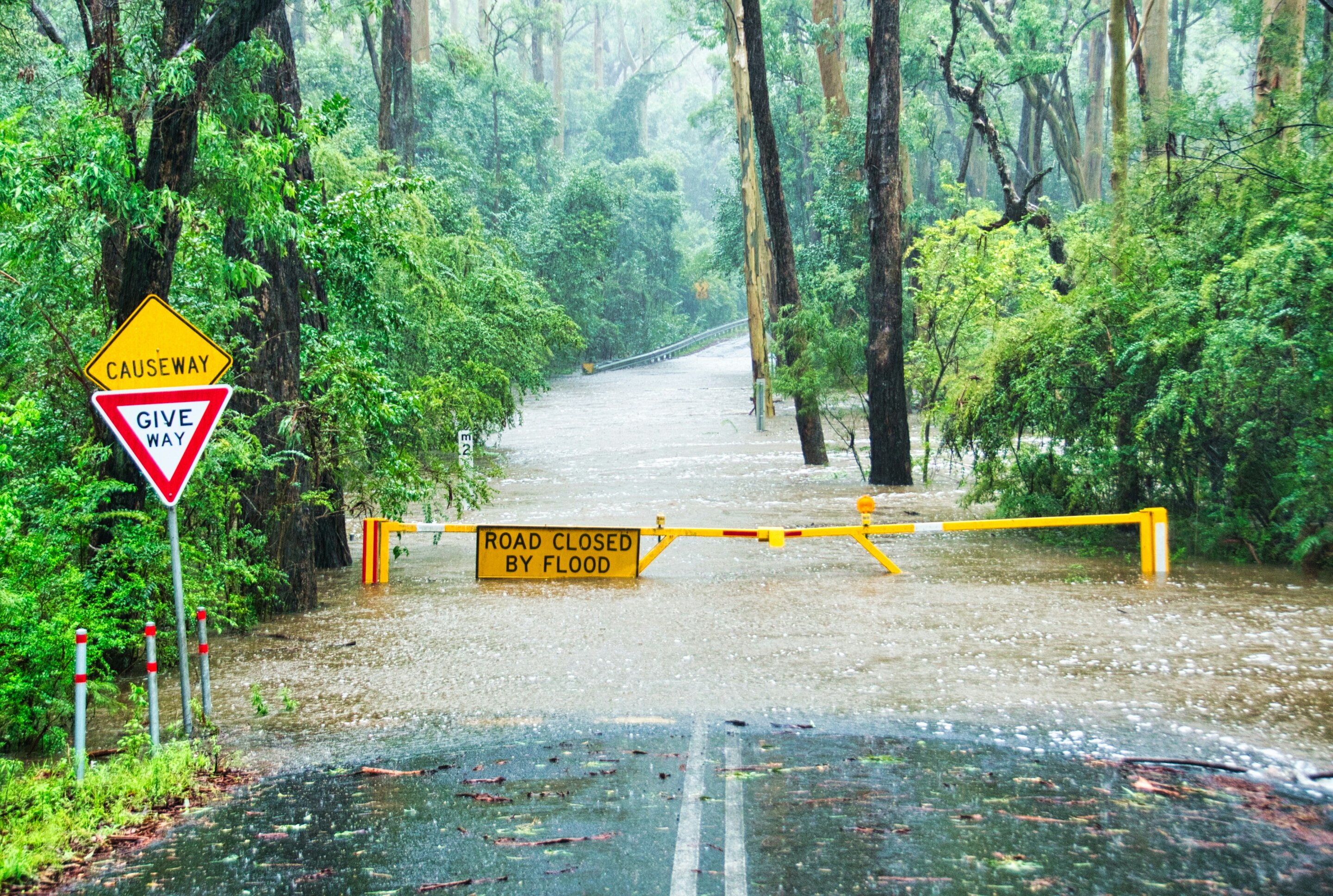
Small river flood risk is set to fall hardest on millions of U.S. residents living near smaller waterways, according to a new study in Nature Sustainability. The finding matters because flood defenses have historically been stronger around large rivers, while smaller river basins may need costly upgrades as climate-driven flooding intensifies.
The research was carried out by an international team from Tsinghua University, the University of Tokyo, Kumamoto University and the Institute of Science Tokyo, according to Kumamoto University. The paper, published July 10, 2026, assessed future flood exposure and protection needs across river sizes in the contiguous United States.
The team used high-resolution hydrological and hydrodynamic simulations, demographic projections and data on current flood defense levels, Kumamoto University said. The researchers concluded that smaller rivers are highly sensitive to intensifying climate conditions while also having weaker existing protection than larger river systems.
Why are small rivers a higher flood risk?
Small rivers can respond sharply to heavier rainfall and other climate-linked changes, while communities along them often lack the stronger baseline defenses found near major rivers, according to the study summary from Kumamoto University. That combination leaves residents near smaller waterways facing more concentrated future flood danger.
The study focuses on river scale: small river basins compared with large river systems across the contiguous United States. Its main point is that flood risk is not spread evenly by river size, because existing infrastructure and future climate pressure differ sharply between smaller and larger rivers.
How much could flood adaptation cost?
Keeping today’s flood defense levels in place under midcentury climate projections could require investments that reach up to $4 million per kilometer for small rivers, measured in 2005-equivalent U.S. dollars, Kumamoto University said. One kilometer is about 0.6 mile.
The researchers found that relative adaptation costs are higher for small river basins because their current defenses start from a weaker position. Large river systems have generally received more infrastructure spending, leaving smaller river communities as a less protected part of the country’s flood planning.
Hiroshi Cho, a professor at Kumamoto University’s Faculty of Advanced Science and Technology and a member of the research team, said the results point to a gap between current flood defenses and the flood risks expected under climate change. Kumamoto University said Cho also noted that Japan faces a similar issue, although on a much smaller geographic scale.
The research team urged policymakers to shift attention beyond major rivers and direct funding and infrastructure improvements toward small river communities, Kumamoto University said. The paper is titled “Future flood risk concentration for residents near small rivers across the USA” and lists Ruijie Jiang and colleagues as authors.
This story draws on original reporting from Phys.org.