
Seaweed School on Hornby Island trains coastal science students
UBC and Hornby Island educators use seaweed fieldwork to teach coastal science and help students remain in their community longer.
By Tom Brennan · Health & Medicine Correspondent
3 min read
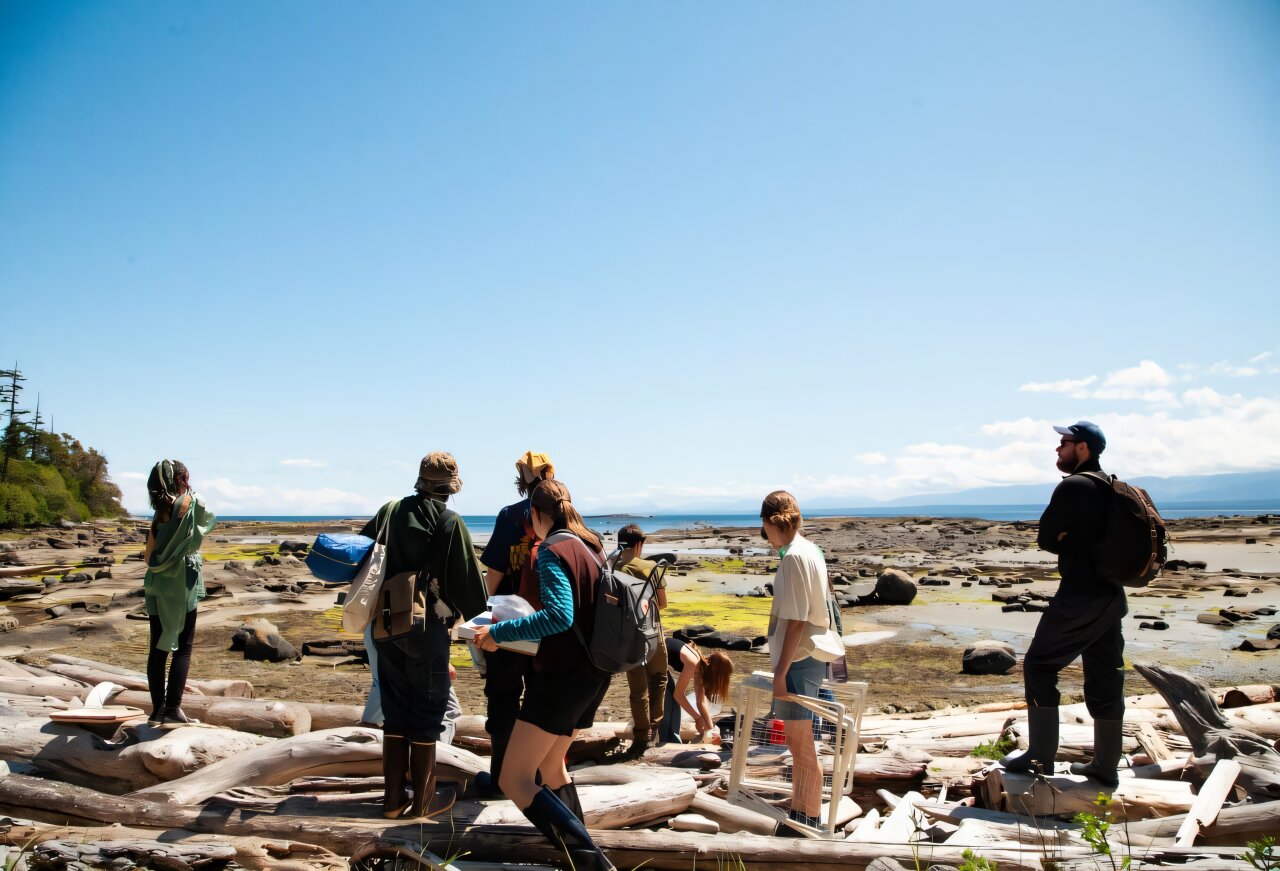
Seaweed School on Hornby Island is using beach fieldwork, museum specimens and even buried underwear to introduce students to coastal science, according to the University of British Columbia. The program also addresses a local school challenge: Hornby Island students normally must travel off-island for high school starting in Grade 8.
UBC said the initiative is a partnership with the Hornby Island community that teaches students how seaweed supports local ecosystems. Dr. Bridgette Clarkston, an associate professor of teaching in UBC’s Department of Botany and a co-creator of the school, said the work is meant to connect young people with the coast they live beside.
What is Seaweed School on Hornby Island?
Seaweed School is a locally built education program created by UBC and Hornby Island partners to teach students how to identify, study and monitor seaweeds around the island. UBC said the program also helps Grade 8 students stay in their home community for an additional school year.
Clarkston said Hornby Island does not have a high school. Students beginning Grade 8 face a commute involving two ferries and about two hours to reach the nearest high school in Courtenay, and UBC said some families move away as a result.
According to UBC, Heather Royal-Brant, a teacher at Hornby Island Community School, approached Clarkston through an initiative involving the school and the Hornby Island Natural History Centre. The goal was to create a local learning option that would keep Grade 8 students on the island longer.
Why seaweed became the classroom focus
Clarkston described seaweeds as major ocean producers that support ecosystems by providing oxygen, food and carbon storage. She said climate change is contributing to declines in some important species, making early education about seaweed protection a priority.
Clarkston said the inner Salish Sea once had more extensive kelp forests, but many large canopy-forming kelps have disappeared over recent decades, likely because of rising temperatures. She said Hornby Island residents want to understand how to care for seaweeds during a period of climate stress and ecological instability.
In the program’s first year, students were each assigned a “seaweed buddy,” or one species to study over time, according to UBC. Clarkston and UBC biology undergraduates taught the middle school students how to collect specimens and label them scientifically.
UBC said those student-collected specimens are now kept at the Beaty Biodiversity Museum, with the Hornby students recorded as the official collectors. Alumna Ava Zielinski said her assigned species was Turkish towel, known scientifically as Chondracanthus exasperatus.
How students are testing seaweed compost
This year, students in Grades 7, 8 and 9 are testing seaweed compost by burying cotton underwear in soil, according to UBC. Some plots were treated with seaweed tea, a fermented mixture of seaweeds; others used seaweed mulch taken from the sea; and control plots had no compost.
UBC said the whole school voted on which treatment would break down the underwear fastest, and seaweed tea won that vote. Over the summer, the Seaweed School team plans to monitor vegetables planted in those plots to see which treatment produces the most food.
Zielinski said the program taught her about photosynthesis, pressing seaweed and identifying common species around Hornby Island. She also said fieldwork with UBC students made her think about attending university and sharing seaweed knowledge with other students.
UBC said the team is also running the Big Seaweed Search Hornby Island, a community-led monitoring effort open to the public. Residents will use information cards created by students to identify different seaweed species each month through the end of the year.
Clarkston said she would like to work with other communities and schools, while tailoring any future version of the program to local needs.
This story draws on original reporting from Phys.org.