
Satellite record maps Antarctic sea ice most exposed to waves
A Nature Communications study finds waves affect a larger share of Antarctic sea ice than concentration-based maps have shown.
By Priya Raghavan · Science Reporter
3 min read
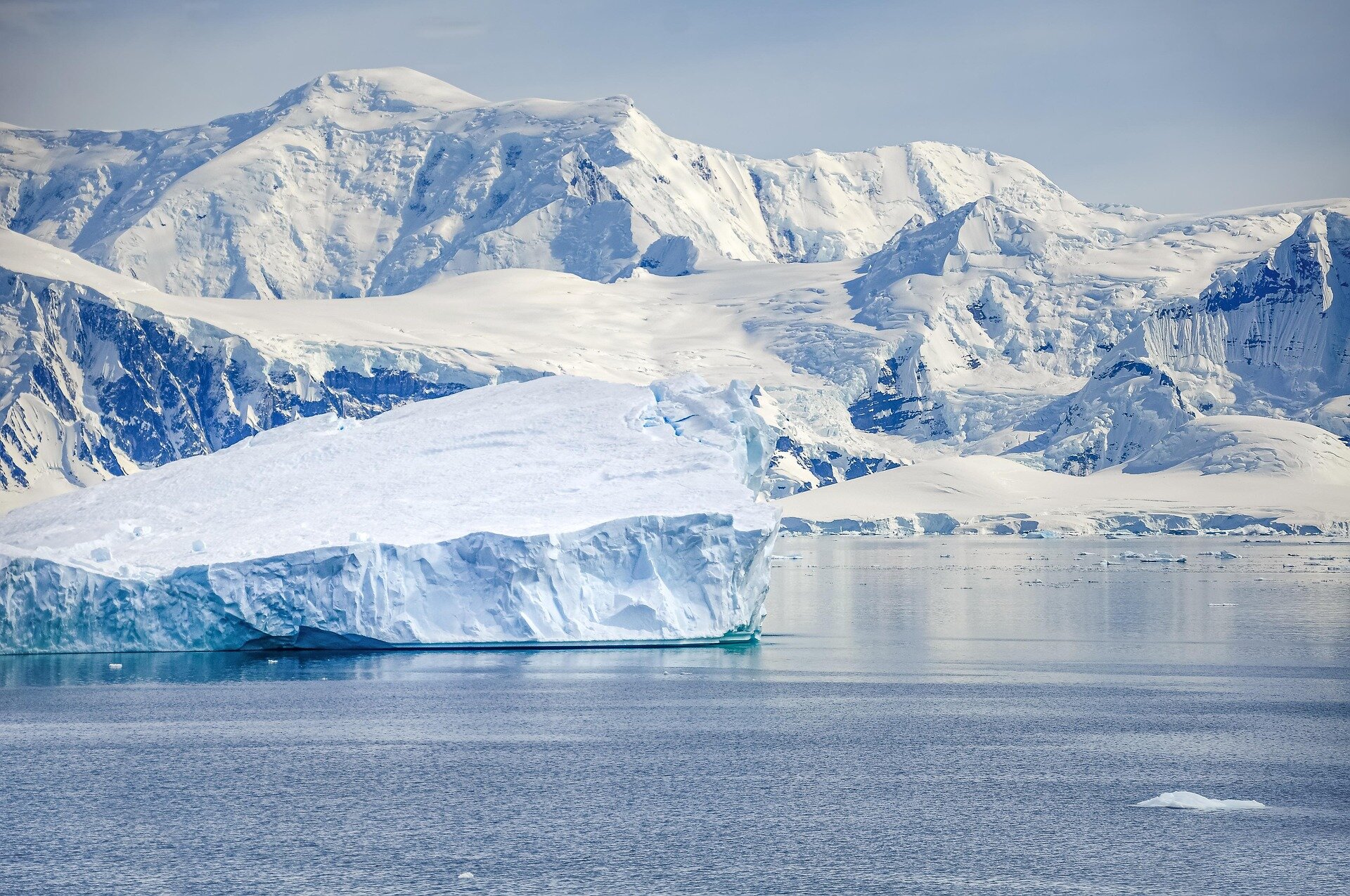
Researchers have produced the first continent-wide record of Antarctica’s wave-hit marginal ice zone, identifying sea ice areas most exposed to breakup and melt. The work matters for climate and coastal ice because waves can fracture sea ice, open the ocean to the atmosphere and reach ice shelves, according to the University of Melbourne.
The study, published in Nature Communications, was conducted by researchers from the University of Melbourne and the Institute for Marine and Antarctic Studies at the University of Tasmania. The team used satellite radar measurements to track where ocean waves travel into sea ice around Antarctica.
The marginal ice zone is the outer part of the sea ice cover, where ice meets the Southern Ocean. The University of Melbourne said it forms a ring around Antarctica that can be close to 200 kilometers wide, and that waves in this area break the ice into smaller floes that melt quickly during spring and summer.
Scientists have long used satellite observations of sea ice concentration to map the zone, the researchers said. But concentration alone can miss places where waves are moving through ice-covered waters, making it a poor guide to the region most affected by ocean swell.
Radar data changed the map
The team turned to a radar altimeter on the SARAL-Altika satellite, using observations collected from 2013 through 2024. Radar altimeters measure reflected radio signals, and the researchers said the method is useful in Antarctica because it can measure through cloud cover.
Using the satellite data, the researchers detected wave activity inside the sea ice pack and built what they describe as a decade-long wave-in-ice climatology. They found that the wave-affected marginal ice zone is typically about 35 to 180 kilometers wide, depending on the season and location around the continent.
The findings challenge earlier estimates based on sea ice concentration. The researchers said those estimates had suggested the zone was broadest in summer and narrowest in winter, while the new record shows the wave-affected zone is widest in winter and early spring.
The team attributed that seasonal pattern to the position of the ice edge. In winter and early spring, the ice extends farther north into stronger Southern Ocean wave conditions, allowing waves to affect more of the ice cover, according to the study.
Waves reach farther than expected
The study found that in some regions, waves move hundreds of kilometers into ice-covered ocean. Across Antarctica, about 16% of the sea ice zone is affected by waves, and the researchers said the inner boundary of wave penetration does not line up with sea ice concentration.
That distinction affects how scientists assess the sea ice’s role in the climate system. When waves do not disturb the ice, the University of Melbourne said, sea ice acts more like a cap on the ocean, limiting exchanges of heat, moisture and gases, including carbon dioxide, between the water and air.
The marginal ice zone also helps protect inner pack ice, landfast ice and ice shelves from waves, according to the researchers. They said meltwater near the retreating ice edge can support phytoplankton blooms, which feed krill and then larger Antarctic animals such as penguins, seals and whales.
The researchers linked the work to recent low Antarctic sea ice coverage and the sharp decline that began around 2016. Many of the largest changes in Antarctic sea ice have happened in winter, when the Southern Ocean’s waves are strongest and the wave-affected marginal ice zone is broadest, they said.
The team also developed computer simulations to estimate seasonal changes in the zone’s width. The University of Melbourne said the simulations produced patterns consistent with the satellite observations, suggesting that large-scale changes in the marginal ice zone are closely tied to open-ocean wave conditions.
The researchers said the combined observations and simulations offer a way to monitor a fast-changing part of the Southern Ocean and improve projections of how Antarctic sea ice may respond to future environmental change.
This story draws on original reporting from Phys.org.