
Robot tutor feedback study finds timing can change how help works
A Berlin study found robot feedback helped adults recover from errors, but detailed help could slow the next response after a mistake.
By Lucas Ferreira · Science & Environment Writer
3 min read
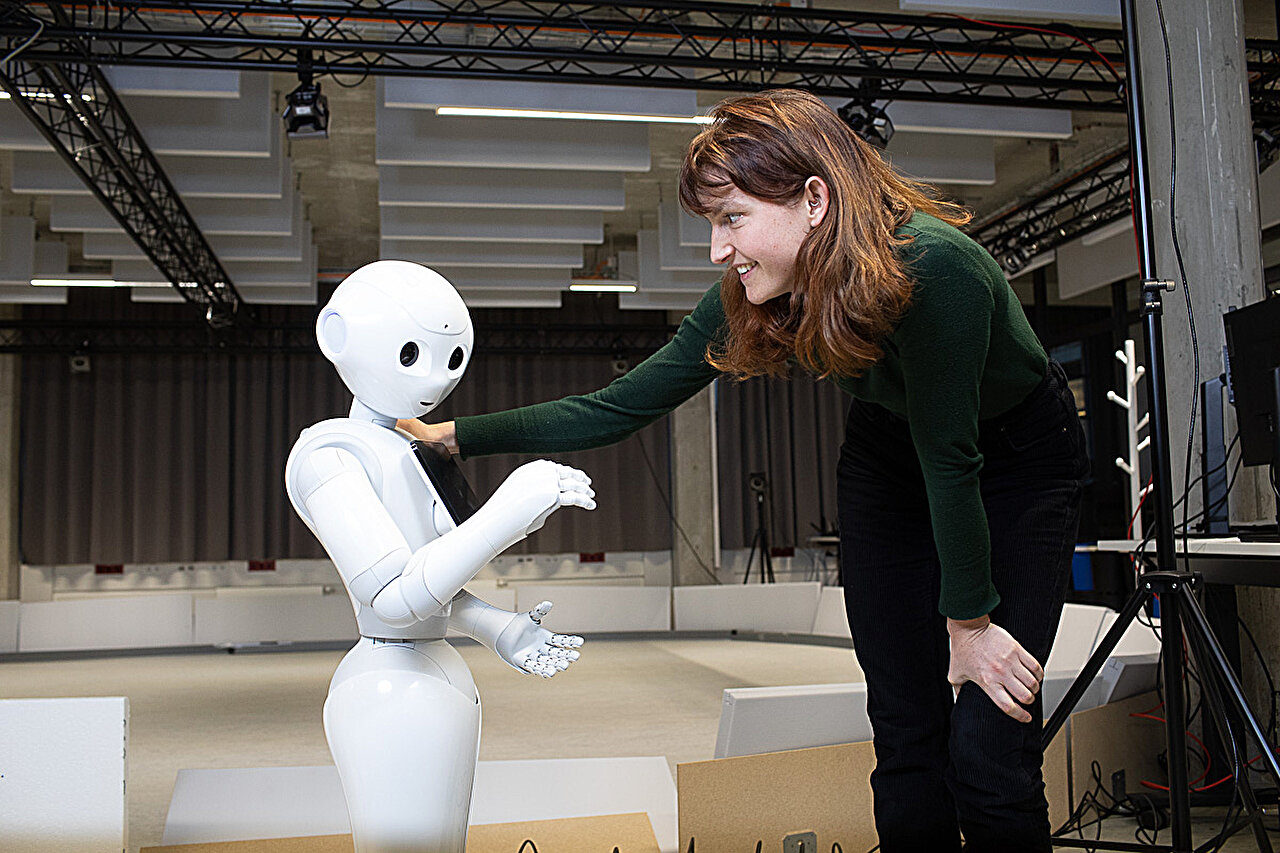
A robot tutor feedback study from Berlin found that automated help can aid learning after mistakes, while overly detailed guidance may burden learners at the moment they need to act next. The Technical University of Berlin said the findings matter as humanoid robots and AI tutors are discussed for classrooms, workplaces and daily assistance.
The study, published in Communications Psychology, was conducted by Helene Ackermann, Anna L. Lange, Hanna Dumont, Verena V. Hafner and Rebecca Lazarides at the Cluster of Excellence Science of Intelligence in Berlin, according to the university. The researchers tested 90 adult learners in a technology-based task supported by a humanoid robot.
Participants had to work out where objects such as a bottle, cup and book belonged in a room while receiving instructions in Swahili, a language they did not know, the university said. After each placement attempt, the robot responded with failure feedback when the learner made an error; every five minutes, learners also reported their emotional state on the robot’s chest-mounted touchscreen.
Can a robot tutor give too much feedback?
The researchers reported that feedback from the robot helped people recover from mistakes, but the value of that help depended on timing, content and the learner’s state. More specific feedback was linked to stronger performance across the full task, yet it made task-focused hints less effective for the learner’s very next response.
The study compared three feedback approaches, according to the university. In one setting, the robot gave extra feedback after every error; in another, feedback varied based on recent performance and self-reported enjoyment; in a third, the robot also used the learner’s prior moves and specific mistakes to tailor its response.
The most personalized version could remind learners about earlier failed placements, the university said. The researchers suggested that such messages may have been longer and more demanding to process immediately after an error, even though they supported broader understanding over the task.
Cognitive load means the mental effort required to take in information and use it. In this study, the researchers said detailed feedback may have raised that load at a sensitive point: directly after a learner had just made a mistake.
Who benefited from the robot’s hints?
The researchers also found that learners did not respond to the same feedback in the same way. People with higher cognitive ability benefited less from task-focused hints, possibly because they could work through the problem without as much support, according to the university.
Learners who reported more boredom benefited more from task-focused feedback, the researchers found. The university said one explanation is that the robot’s prompt may have helped bring their attention back to the task.
The study does not say robots should replace teachers or that personalized feedback should be avoided, according to the university. Instead, the findings point to a design problem for educational technology: robot tutors may need to adjust not only what they say, but also when they say it and how much information they give.
The publication details list the paper as “Real-time cognitive-affective dynamics of failure feedback in a technology-based learning task,” published in Communications Psychology in 2026 with DOI 10.1038/s44271-026-00487-8.
This story draws on original reporting from Phys.org.