
Researchers urge global focus on oxygen loss in waters
A Scripps-led review says falling oxygen in oceans and freshwater systems is tied to climate change, pollution and biodiversity loss.
By Priya Raghavan · Science Reporter
3 min read
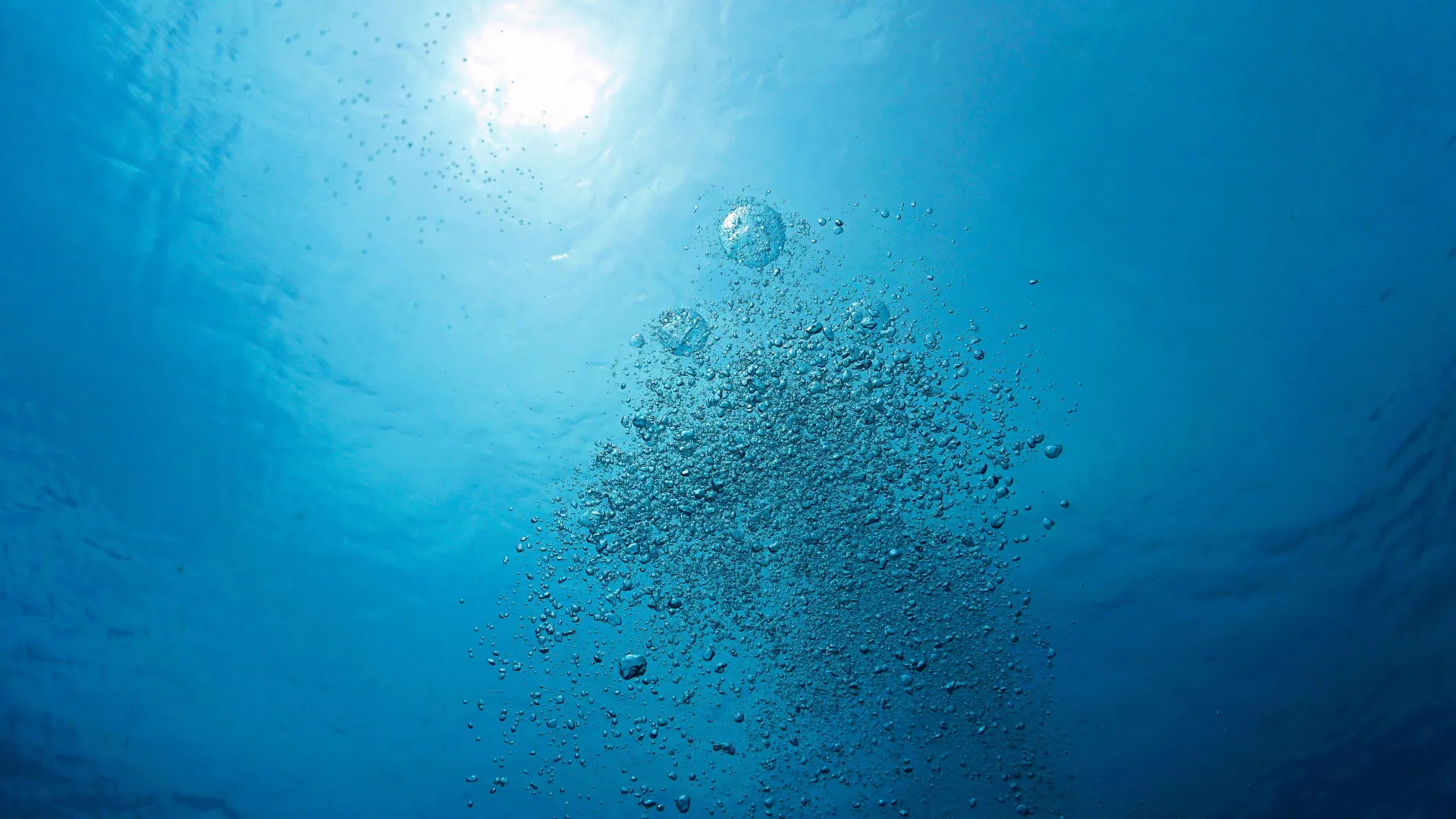
Oxygen levels are falling across oceans, coasts, lakes, rivers and streams, and a Scripps Institution of Oceanography-led team says the decline should be treated as a planet-scale environmental risk. The researchers warn that oxygen loss can harm aquatic life and interfere with natural processes that help regulate the climate, according to the University of California, San Diego.
The review, published June 30 in Limnology and Oceanography, examines aquatic deoxygenation: the reduction of dissolved oxygen in marine and freshwater systems. UC San Diego said the authors found that some effects could last for centuries and may not be reversible within human lifetimes.
Lead author Erica Ferrer, a Scripps alumna and postdoctoral scholar at UC Santa Barbara’s National Center for Ecological Analysis and Synthesis, said aquatic ecosystems need oxygen to work normally. UC San Diego said Ferrer and co-authors argue that oxygen loss should be added to the Planetary Boundaries framework, a model introduced in 2009 to track Earth systems needed for a stable planet.
How oxygen is being depleted
The review identifies human-driven warming, nutrient pollution and shifts in deep-water movement and ventilation as the main causes of oxygen decline, according to UC San Diego. Warmer water holds less oxygen, while excess nutrients can fuel biological activity that consumes oxygen as organic matter breaks down.
The researchers said lower oxygen can alter the chemistry and biology of water bodies. UC San Diego said those changes can affect organisms across food webs, including microbes, fish and sharks.
Marine mammals can also be affected even though they breathe air, according to the university. The review says oxygen decline can reduce or shift prey, damage habitats and change the food webs those animals rely on.
Links to other Earth system risks
The study assessed oxygen loss in relation to the nine processes already included in the Planetary Boundaries framework, UC San Diego said. Those boundaries are climate change, ocean acidification, biodiversity loss, atmospheric aerosol loading, stratospheric ozone depletion, freshwater change, land-use change, chemical pollution and biogeochemical flows, including the nitrogen cycle.
Ferrer and senior author Lisa Levin, a Scripps biological oceanographer, developed the review after attending COP25, the 2019 United Nations climate conference in Madrid, according to UC San Diego. The university said the authors want researchers and policymakers to consider oxygen loss alongside warming, pollution and biodiversity decline rather than as a separate issue.
Ferrer said adding aquatic deoxygenation to the framework would help clarify how oxygen loss affects Earth system stability, according to UC San Diego. She also said reducing its effects is tied to protecting biodiversity and climate.
Ferrer completed the review during doctoral work at Scripps, the university said. Other authors include Yassir Eddebbar, Shailja Gangrade, Lillian McCormick, Ariel Pezner, De’Marcus Robinson, Véronique Garçon, Kevin Rose and Levin.
This story draws on original reporting from ScienceDaily.