
UN General Assembly urges end to Cuba embargo in 130-17 vote
The UN again called for an end to the U.S. embargo on Cuba, though the non-binding vote drew less support than last year.
By James Whitfield · Staff Writer
2 min read
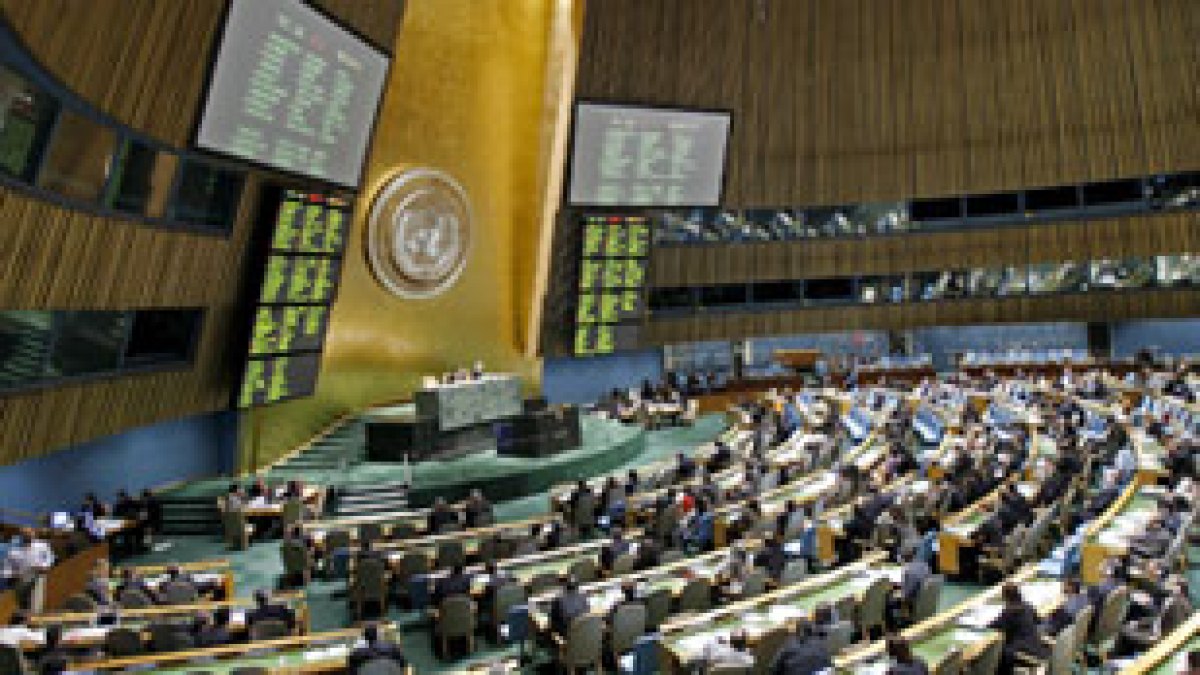
The UN Cuba embargo vote 2026 ended with 130 countries backing a resolution urging an end to the U.S. economic embargo on Cuba, while 17 opposed it and 25 abstained. The result preserved a broad majority for the measure, but the General Assembly’s action does not change U.S. law: Reuters reported that Congress alone can lift the embargo.
The United States and Israel were among the countries voting against the resolution on Wednesday, October 28. Reuters and Al Jazeera reported the same tally.
What was the UN vote on the Cuba embargo in 2026?
The 193-member General Assembly voted 130 in favor, 17 against and 25 abstaining. That was a different split from the prior year, when the vote was 165 in favor, seven against and 12 abstentions, according to Reuters.
Germany and Italy, which had backed the resolution in prior years, abstained this time, Reuters reported. The news agency said a U.S. lobbying effort preceded several countries’ decisions to oppose the measure or abstain, while U.S. Ambassador Mike Waltz described the result as evidence that countries had changed position.
Waltz said Germany and Korea were among the major economies that had shifted their stance and said he expected that trend to continue. The voting figures show fewer countries supported the resolution than a year earlier and more countries either opposed it or abstained; the reporting does not establish that U.S. lobbying caused every change.
What does the resolution mean?
The measure is a political expression by the General Assembly rather than a binding order. It cannot end the embargo, which has been in place for more than 60 years, Reuters reported.
The Assembly has adopted a resolution calling for the embargo’s end in each of more than three decades, except in 2020 during the COVID-19 pandemic, according to Reuters. The United States has consistently opposed such resolutions, apart from an abstention in 2016 under President Barack Obama, Reuters reported.
Cuban Foreign Minister Bruno Rodríguez said after the vote that Washington was isolated over its policy, a characterization made by the Cuban government. U.S. officials have said their sanctions are aimed at Cuba’s communist-led government, which they describe as a corrupt dictatorship; Cuba rejects that description, Reuters reported.
The vote followed heightened tensions between the two delegations at the UN. Waltz accused Richard Tur de la Concepcion, a first secretary at Cuba’s UN mission, of assaulting an American diplomat during exchanges the previous day and said the United States would expel him. Reuters reported that Cuba filed a complaint with UN Secretary-General Antonio Guterres concerning the U.S. diplomat involved.
This story draws on original reporting from Al Jazeera.