
Rescuing wild animals in Australia can carry hidden risks, researchers say
Researchers say well-meant wildlife rescues can spread disease, stress animals or harm habitats as Australia responds to H5N1 bird flu.
By Tom Brennan · Health & Medicine Correspondent
4 min read
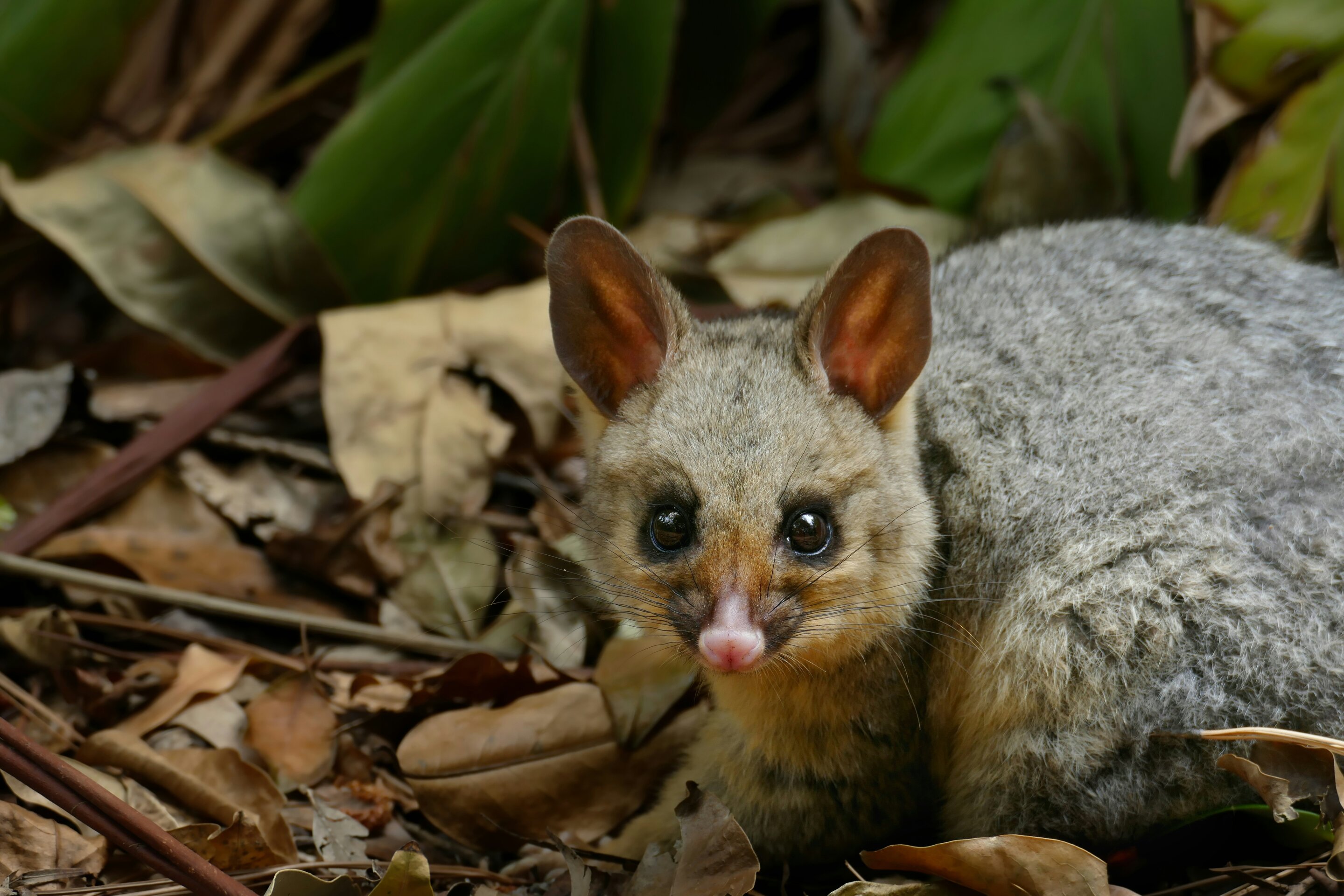
Rescuing wild animals in Australia can create risks for people, animals and ecosystems, according to researchers Michelle Campbell-Ward and Anne Quain writing in The Conversation. Their warning comes as Australian authorities respond to the country’s first H5N1 bird flu cases and ask the public to avoid touching sick or dead wildlife.
The federal agriculture department has urged people to “avoid, record and report” sick or dead animals during the H5N1 response. Campbell-Ward and Quain said that advice can clash with a common impulse to help an injured possum, orphaned bird or visibly ill native animal.
Australia confirmed its first H5N1 bird flu detection in June after a sick seabird arrived on its shores, according to the researchers. They said there were 17 confirmed cases in Australia as of Thursday, and noted that the virus is highly infectious among birds and can spread to many mammals, some livestock, zoo animals and pets, while human infection is rare.
Should I rescue an injured wild animal?
Campbell-Ward and Quain said people should stop, think and seek expert advice before handling wildlife. Wildlife rescue can save some animals, but decisions about capture, treatment, release or euthanasia require training and ethical judgment because wild animals can be stressed by handling and captivity.
The researchers said licensed wildlife rehabilitators, wildlife veterinarians and government officers weigh animal welfare, human safety, environmental health and limited resources. A rescue that appears straightforward can affect disease control, habitat health and the animal’s chance of surviving after release.
Why hand-rearing can go wrong
In their new paper in Animal Welfare, Campbell-Ward and Quain used case studies to show how well-meant intervention can have wider effects. They said hand-rearing orphaned birds and marsupials is common in Australia and can help animals that would otherwise struggle to live.
They also said some young animals found alone do not need human help, and offspring deaths are part of life in the wild for many species. Hand-reared animals may become attached to humans, lose behaviors needed for survival and be less fit for release, according to the researchers.
The authors pointed to rescued magpies raised with dogs and other predatory species without required permits as an example of the risks of extended captivity. They said such cases can encourage the idea that wild animals make suitable pets and can bring carers into conflict with environmental authorities and wildlife advocates.
Disease treatment can affect more than one animal
Campbell-Ward and Quain said demand for wildlife rescue services appears to be rising. For bare-nosed wombats in southeastern Australia, they described sarcoptic mange as a severe skin disease that can be fatal without treatment.
They said affected wombats may be treated in the field, brought into care or euthanized in some cases, with no settled answer on which approach is best for welfare. Some parasite treatments used against mites, including moxidectin and fluralaner, may contaminate the wider environment, according to material cited by the researchers.
Field treatment also makes it harder to monitor side effects, find animals needing follow-up care and limit disease spread within a population, Campbell-Ward and Quain said.
They gave another example involving koalas injured by bushfire. A koala with mild burns and smoke inhalation may be treated in care, but hospitalized koalas need large amounts of leaves from specific eucalyptus trees; collecting those leaves can reduce food for koalas still living in the burned area, the researchers said.
What to do if you find sick wildlife
Campbell-Ward and Quain advised members of the public to seek help from people with wildlife rescue expertise rather than trying to handle animals themselves. They pointed to the International Fund for Animal Welfare’s Wildlife Rescue App, which can connect users with nearby wildlife rescue groups.
They also said sick or dead birds should be reported to the Emergency Animal Disease Hotline at 1800 675 888. During the H5N1 response, authorities’ central instruction remains to avoid contact, record what you see and report it.
This story draws on original reporting from Phys.org.