
Pet heat stress can develop in minutes, veterinary expert warns
Texas A&M veterinarian Sarah Manning says early signs of overheating in dogs and cats can be subtle and need quick action.
By Priya Raghavan · Science Reporter
3 min read
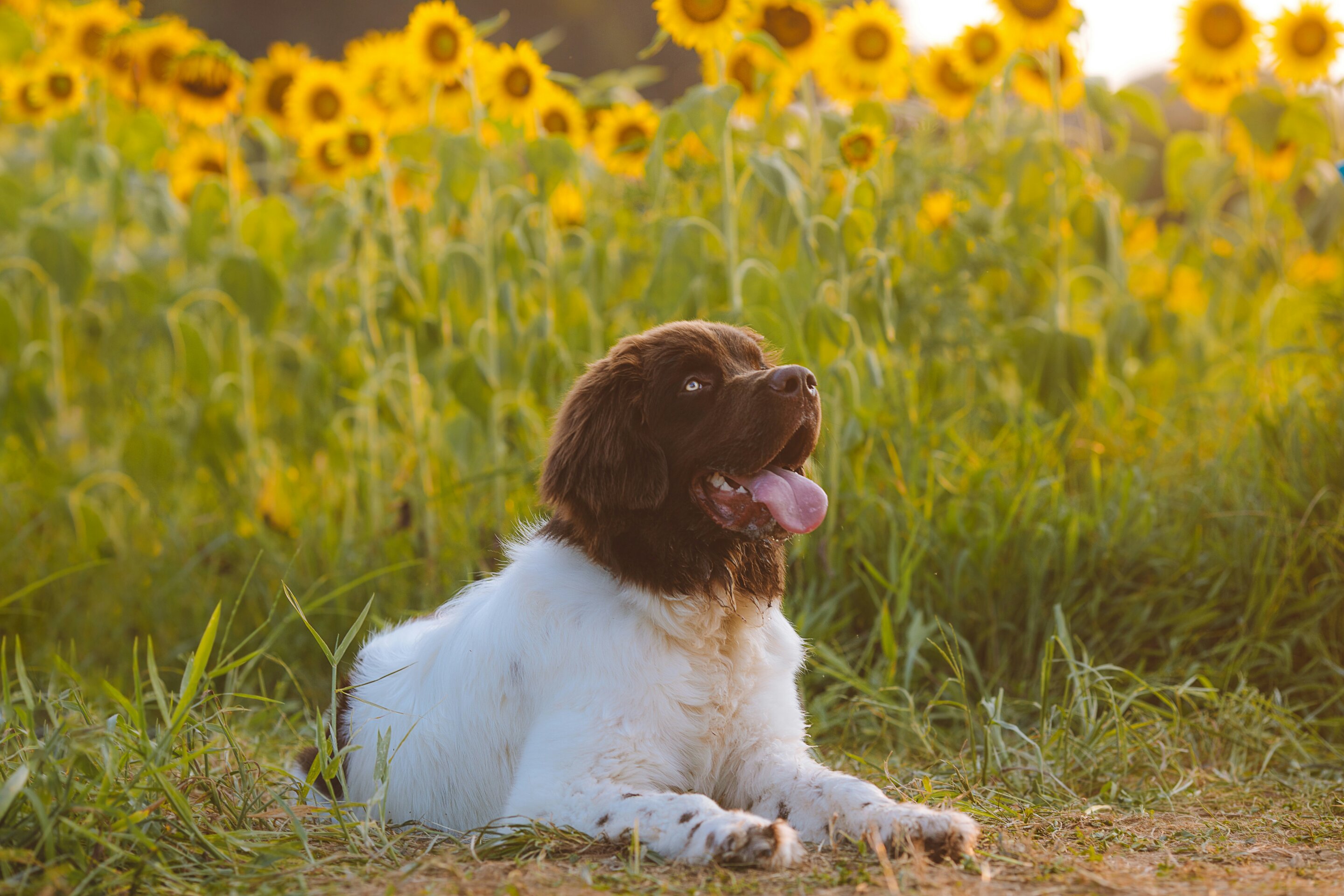
Pet heat stress can begin after only a short period of outdoor play, and Texas A&M University veterinarian Dr. Sarah Manning says owners should watch for early changes before overheating becomes dangerous. Heat stress happens when an animal cannot cool itself well enough and its core temperature starts to climb.
Manning, a clinical assistant professor at the Texas A&M University College of Veterinary Medicine and Biomedical Sciences, said a dog or cat may show signs after about 10 minutes of active play in warm conditions. The early symptoms can be easy to miss, especially in animals that are still moving around and seeking attention.
What are signs of heat stress in pets?
According to Manning, heat stress can occur when a pet’s body temperature rises by about two degrees above its normal range, which is generally 100 to 102 degrees Fahrenheit, or 38 to 39 degrees Celsius. In dogs, owners may first notice changes in the face, including narrowed eyes, a longer-looking tongue and lips pulled back during heavy panting.
Other warning signs include panting or mouth breathing, looking for shade or water, and harder breathing. Cats may pant less dramatically than dogs, but Manning said they may groom more and stretch their bodies out instead of curling up.
If a pet remains in the heat and its temperature continues to rise, heat stress can progress to heat stroke. Manning said technical heat stroke occurs when an animal’s temperature reaches 106 degrees Fahrenheit, or 41 degrees Celsius.
At that stage, the brain and internal systems may be affected. Dogs can become dizzy, too weak to stand, inattentive or, in more severe cases, have seizures, according to Manning.
Which pets face higher heat risk?
Short-muzzled breeds are more prone to overheating, Manning said. That group includes bulldogs, boxers, Boston terriers and Persian cats.
Animals cool themselves in part by panting, but Manning said shorter-headed breeds do not release heat as efficiently with each breath. Heat index and relative humidity also affect risk, especially during sudden hot spells before pets have time to adjust.
Manning advised owners to check pavement and concrete when temperatures exceed 90 degrees Fahrenheit, or 32 degrees Celsius. If the surface is too hot for a person’s hand, she said, it is too hot for a pet’s paws.
How should owners cool an overheating pet?
When a pet shows behavior changes, seeks shade, struggles in humidity or appears to be overheating, Manning said owners should bring the animal indoors, offer water and use shade, fans or air conditioning. If rapid breathing, weakness or lethargy continue after cooling time, owners should contact a veterinarian.
The preferred cooling response is active cooling, according to Manning: apply room-temperature water to the pet’s body and use a fan to move air over the animal. She said owners should start cooling as soon as possible, including moving the pet into shade or air conditioning, and then seek veterinary care rather than waiting.
Prevention starts before the hottest part of the day. Manning said owners expecting to be outside with pets in hot weather can increase hydration ahead of time by adding water or wet food to the animal’s diet and raising daily water intake.
For cats, she said a mostly wet-food diet can support hydration, with extra water mixed in if needed. Dogs can also get added moisture when water is mixed into dry kibble.
Routine grooming can also help during warm months, particularly for pets with dual coats, Manning said. If those coats are not maintained, animals may lose the insulated layer that helps trap cool air, making overheating more likely.
This story draws on original reporting from Phys.org.