
Pearly razorfish DNA methylation differs in fished areas, study finds
Researchers found 291 DNA methylation differences between protected and heavily fished pearly razorfish populations in the Balearic Islands.
By Priya Raghavan · Science Reporter
3 min read
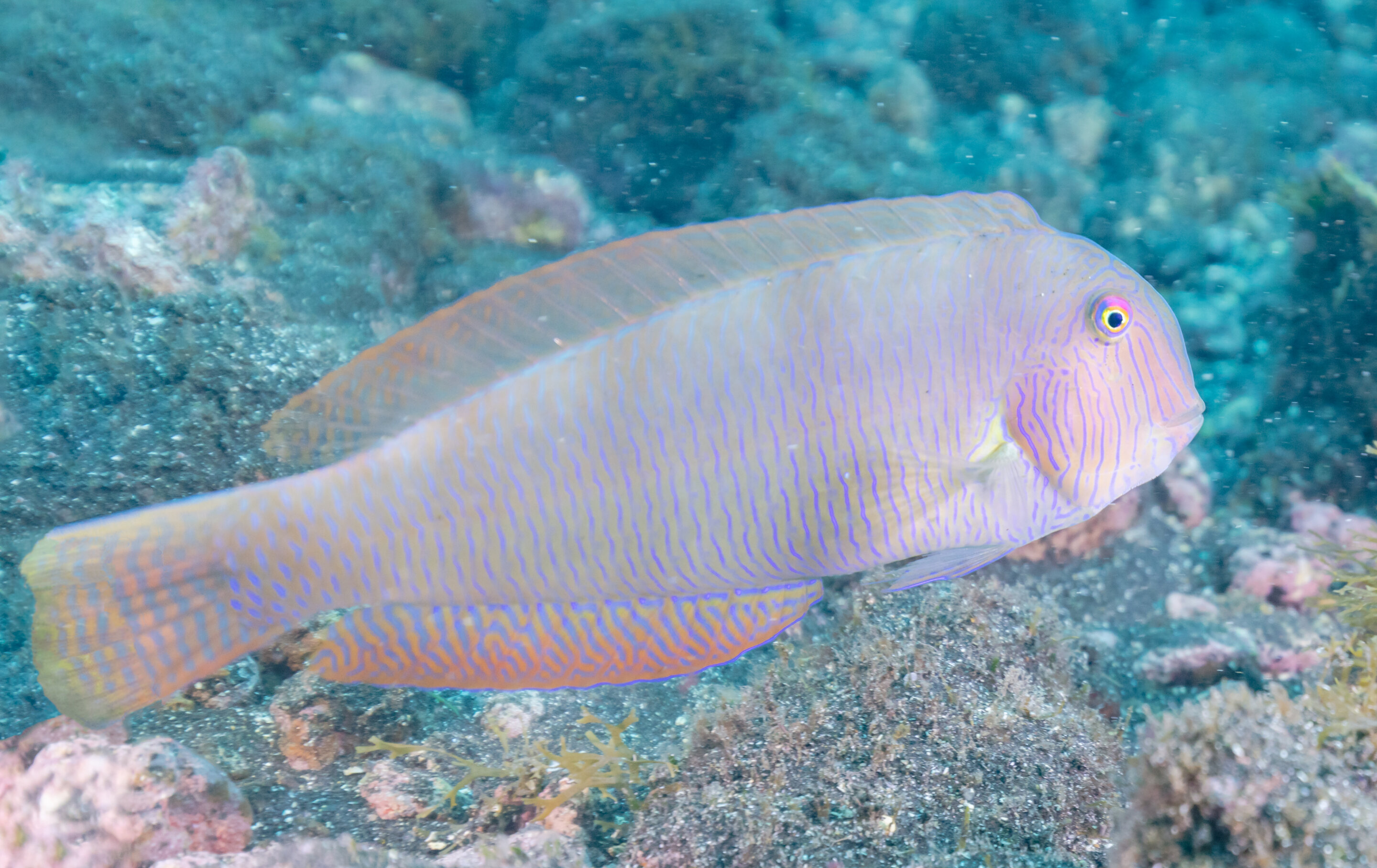
A peer-reviewed study of pearly razorfish DNA methylation has found molecular differences between fish from heavily harvested waters and those from protected marine reserves. The finding matters because it suggests fishing may be associated with biological changes that do not show up as changes in the fish’s core DNA sequence.
The pearly razorfish, or Xyrichtys novacula, is a small coastal species that lives over sandy seabeds and eats animals such as shrimp. In Spain’s Balearic Islands, where the fish is known as raors, it is commonly caught during the fishing season and served in homes and restaurants.
The study, published in Philosophical Transactions of the Royal Society B, examined whether fishing pressure was linked to genetic or epigenetic differences in the species. The paper is titled “Fishing pressure induces changes in DNA methylation in genetically homogeneous marine metapopulations.”
How does fishing affect pearly razorfish DNA methylation?
The researchers sampled 120 pearly razorfish from three areas in the Balearic Islands. Each area included one site exposed to heavy fishing and one protected marine reserve, giving the team paired locations for comparison.
In the lab, the researchers used fin tissue to look for both genetic variation and epigenetic marks. Epigenetic marks are chemical changes that can affect whether genes are more or less active without rewriting the underlying DNA code.
The study found that fish living inside protected reserves were older and larger than fish from harvested populations. The researchers also reported that fished populations had lower genetic diversity, although the heavily fished and protected groups did not appear to have diverged genetically.
The clearer split appeared in DNA methylation, an epigenetic process in which a methyl chemical group attaches to DNA and can influence gene activity. According to the study, the team identified 291 DNA sites where methylation patterns differed between protected and fished areas.
The authors wrote that the results provide “one of the first lines of evidence” that fisheries may shape epigenetic variation. They did not report proof that fishing alone caused the methylation differences.
What else could explain the molecular differences?
The researchers said other conditions could also contribute to the methylation patterns. The paper lists possible factors including fish density, natural predators, food availability and changes in social structure in places where fish are heavily caught.
Even with that caution, the authors said methylation patterns differed consistently by protection status. They wrote that the differences could not be explained by demographic structure alone.
The downstream effects of the methylation changes remain unknown, according to the study. The researchers framed the result as evidence that fishing may be linked to changes at a molecular level, rather than as a finding about a specific health, behavior or survival outcome.
The study also points to the role of marine reserves in conserving the species. Because protected areas held fish with higher genetic diversity, the authors said such areas function as important refuges for pearly razorfish populations.
The publication details list Margarida Barcelo-Serra and colleagues as authors. The study appears in Philosophical Transactions of the Royal Society B: Biological Sciences with DOI 10.1098/rstb.2025.0031.
This story draws on original reporting from Phys.org.