
Pallas kittens go on display at Japan zoo
Kobe Animal Kingdom is showing five Pallas’s cat kittens born in May, a rare public look at a species sensitive to infections.
By Lucas Ferreira · Science & Environment Writer
2 min read
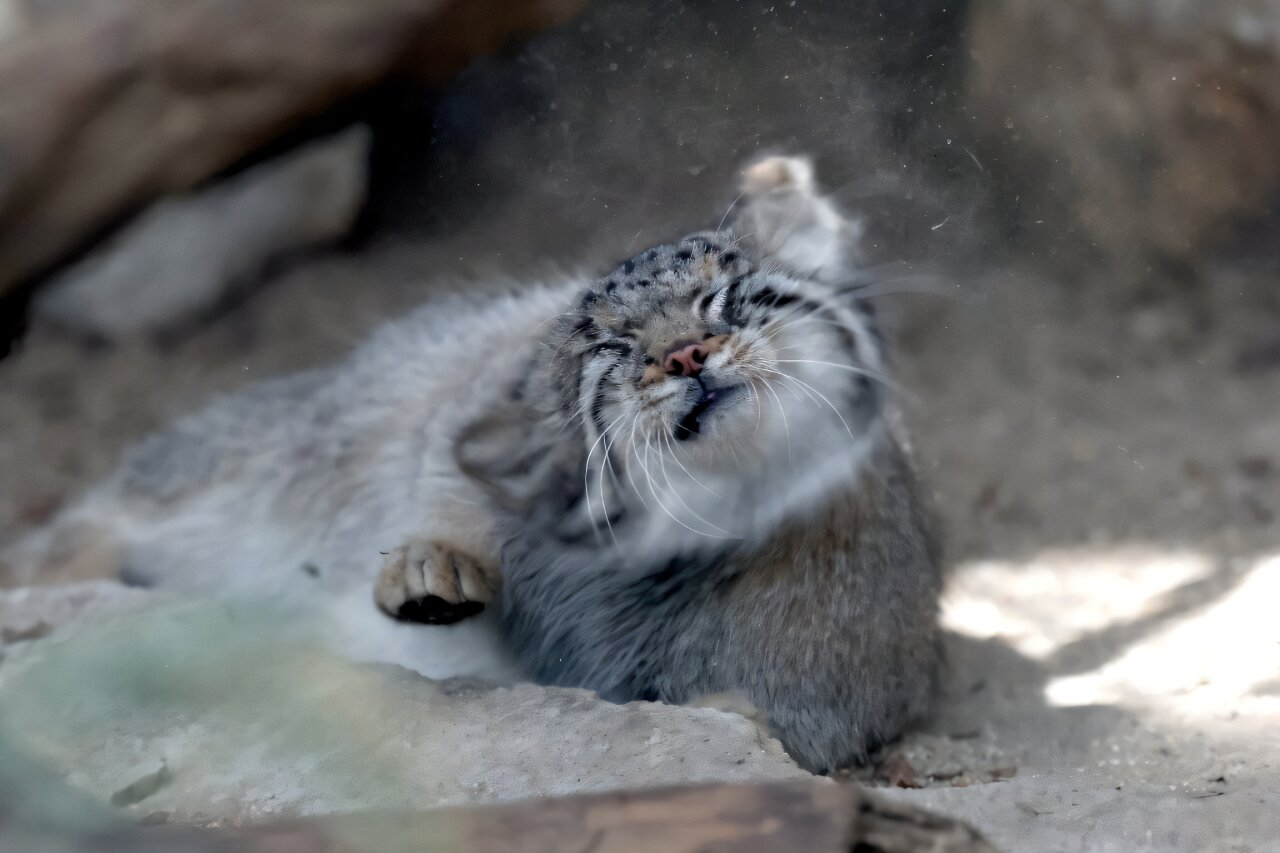
Five Pallas kittens at a Japan zoo are now on public view, giving visitors a rare look at young members of a cat species that zoos do not commonly display. Kobe Animal Kingdom said the kittens, four males and one female, were born at the facility in May and went on display last week, AFP reported.
Pallas’s cats are often described as the world’s grumpiest felines because of their stern-looking faces. The animals are native to the dry, rocky regions of Central Asia and belong to one of the oldest living cat species, according to AFP.
The Kobe zoo said in a written statement to AFP on Monday that the species is relatively prone to infections, which helps explain why it is not frequently shown in zoos. That makes the public debut of the five kittens notable for visitors and animal-watchers interested in rare small wild cats.
Where can you see the Pallas kittens in Japan?
The kittens are on display at Kobe Animal Kingdom in Japan. The zoo said they were put before the public last week after being born there in May.
According to the zoo, the kittens weighed about 150 grams, or 5.3 ounces, at birth. They now weigh more than one kilogram, or 2.2 pounds, and have begun eating solid foods, including chicken and horse meat.
Kobe Animal Kingdom said it wants visitors to see that the young cats are growing well, playing energetically and sleeping soundly. The zoo’s comments to AFP framed the display as a chance for the public to observe healthy young Pallas’s cats at an early stage of development.
What is a Pallas’s cat?
A Pallas’s cat is a small wild cat native to Central Asia’s dry, rocky areas. The species is known for a flat-faced look that gives it a severe expression, leading to its popular “grumpy” label.
The kittens at Kobe Animal Kingdom are part of a species that AFP described as among the oldest living cats. The zoo’s statement did not give further details on how long the kittens will remain on public display or whether any special viewing limits are in place.
For now, the five young cats are being presented as a rare zoo attraction: a litter of Pallas’s cats old enough to leave the earliest newborn stage, but still young enough for visitors to watch them play, rest and adjust to solid food.
This story draws on original reporting from Phys.org.