
Organic grass-fed milk shows higher omega-3 levels in yearlong study
University of Vermont researchers found milk fatty acids varied by production method and season in samples from Vermont and New York stores.
By Lucas Ferreira · Science & Environment Writer
3 min read
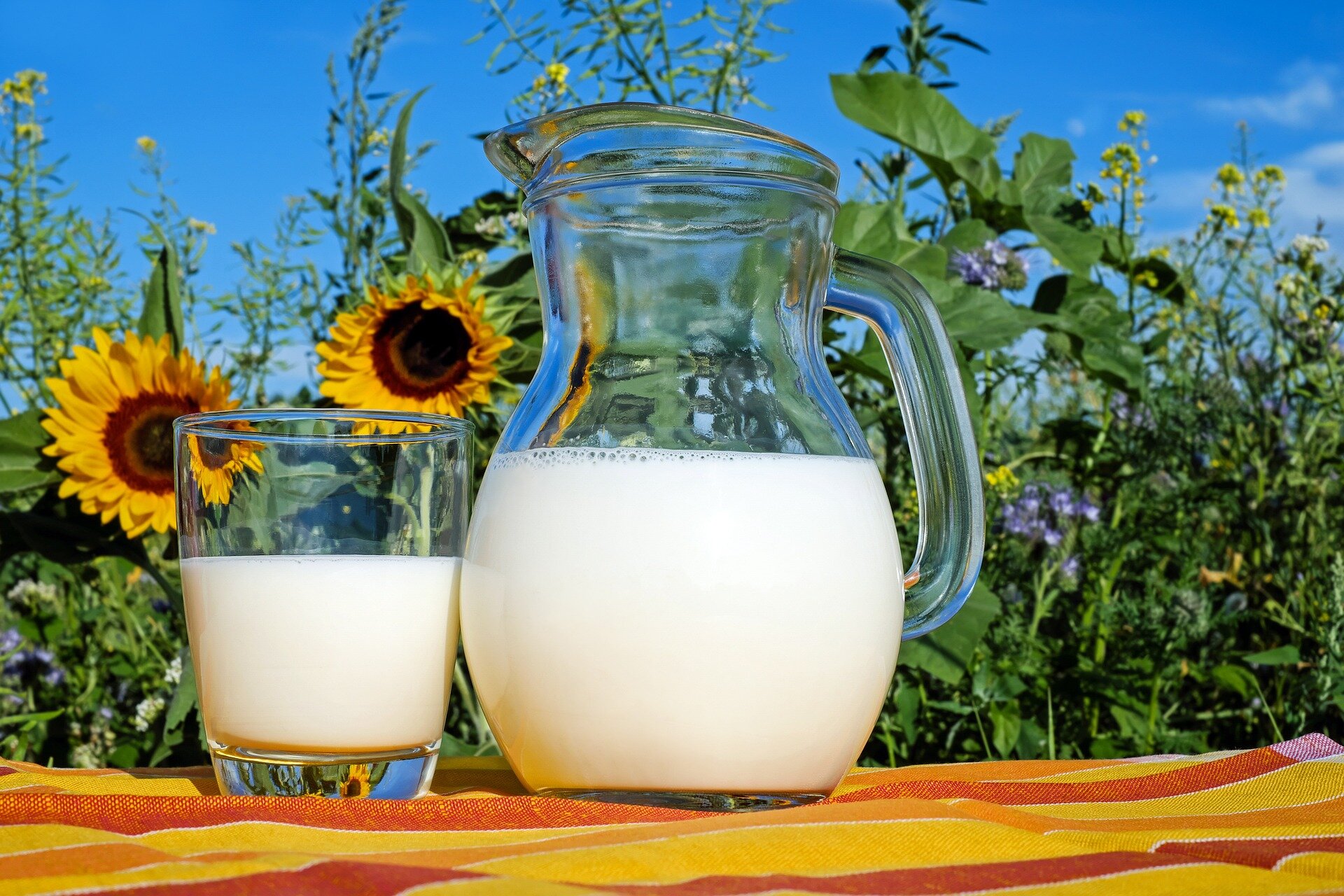
Organic grass-fed milk omega-3 levels were higher than those in other retail milks in a yearlong study of samples sold in Vermont and New York, according to research from the University of Vermont. The findings may help shoppers understand why milk marketed by production method can differ nutritionally, though researchers said the health effects are not yet clear.
Emily Youngmark, a Ph.D. student at the University of Vermont, is presenting the findings at Nutrition 2026, the American Society for Nutrition’s annual meeting, held July 25-28 in National Harbor, Maryland. Youngmark conducted the study with Jana Kraft, an associate professor at the University of Vermont.
The researchers examined more than 300 milk samples bought from retailers over the course of a year. Using producer information and product labels, they sorted the samples into four groups: 63 conventional, 111 organic, 91 organic grass-fed and 40 non-organic pasture-based.
Which milk had the most omega-3 fatty acids?
Across seasons, organic grass-fed milk had the highest omega-3 fatty acid content, at 88 milligrams per serving on average, according to the study. Conventional milk had the lowest level, at 25 milligrams per serving.
The pattern was different for omega-6 fatty acids. Conventional milk contained 166 milligrams per serving on average, compared with 92 milligrams per serving in organic grass-fed milk, the researchers reported.
Both omega-3 and omega-6 fatty acids are part of a healthy diet. The American Society for Nutrition said experts recommend placing more emphasis on increasing omega-3 intake, which has been linked with lower risk of heart disease, type 2 diabetes and inflammation.
Youngmark said the results add to understanding of how dairy production systems may affect milk’s nutritional makeup and potential nutritional value. She also said the differences in fatty acid composition may be one point consumers weigh when choosing milk products.
Why would cow diet change milk nutrients?
The study points to pasture access and fresh forage as likely factors. In general, the researchers found that milk from cows with greater access to pasture and fresh forage appeared to contain more beneficial fatty acids.
Season also mattered. The researchers said shifts in fatty acid composition through the year probably reflect seasonal changes in forage quality.
Non-organic pasture-based milk was generally similar to organic milk in fatty acid composition, with some differences by season, according to the study. The research did not report that any one milk type by itself would produce better health outcomes.
What do the milk labels mean?
Conventional milk does not have a formal definition, but the term generally refers to milk produced in intensively managed dairy systems, according to the American Society for Nutrition. Certified organic milk is made under federal rules that bar pesticides, genetically modified feed and most synthetic additives, and require pasture access for at least 120 days each year.
Organic grass-fed certification adds stricter requirements, including at least 160 days of pasture access each year and no grain products in feed. The term pasture-based can appear on both organic and non-organic products; non-organic pasture-based systems emphasize pasture access but are not certified organic.
The researchers cautioned against overstating the results. Youngmark said the differences may be nutritionally relevant but are unlikely to create major health effects on their own, and that organic grass-fed milk’s fatty acid profile may be one part of a broader healthy diet and lifestyle.
Further research would be needed to test whether regularly drinking particular types of milk leads to measurable changes in health, according to the study team.
This story draws on original reporting from Phys.org.