
Novilara diet study finds sex-based food gaps in Iron Age Italy
Isotope analysis of Novilara burials found sex-based diet differences, migration and grave status that did not match better food access.
By Lucas Ferreira · Science & Environment Writer
3 min read
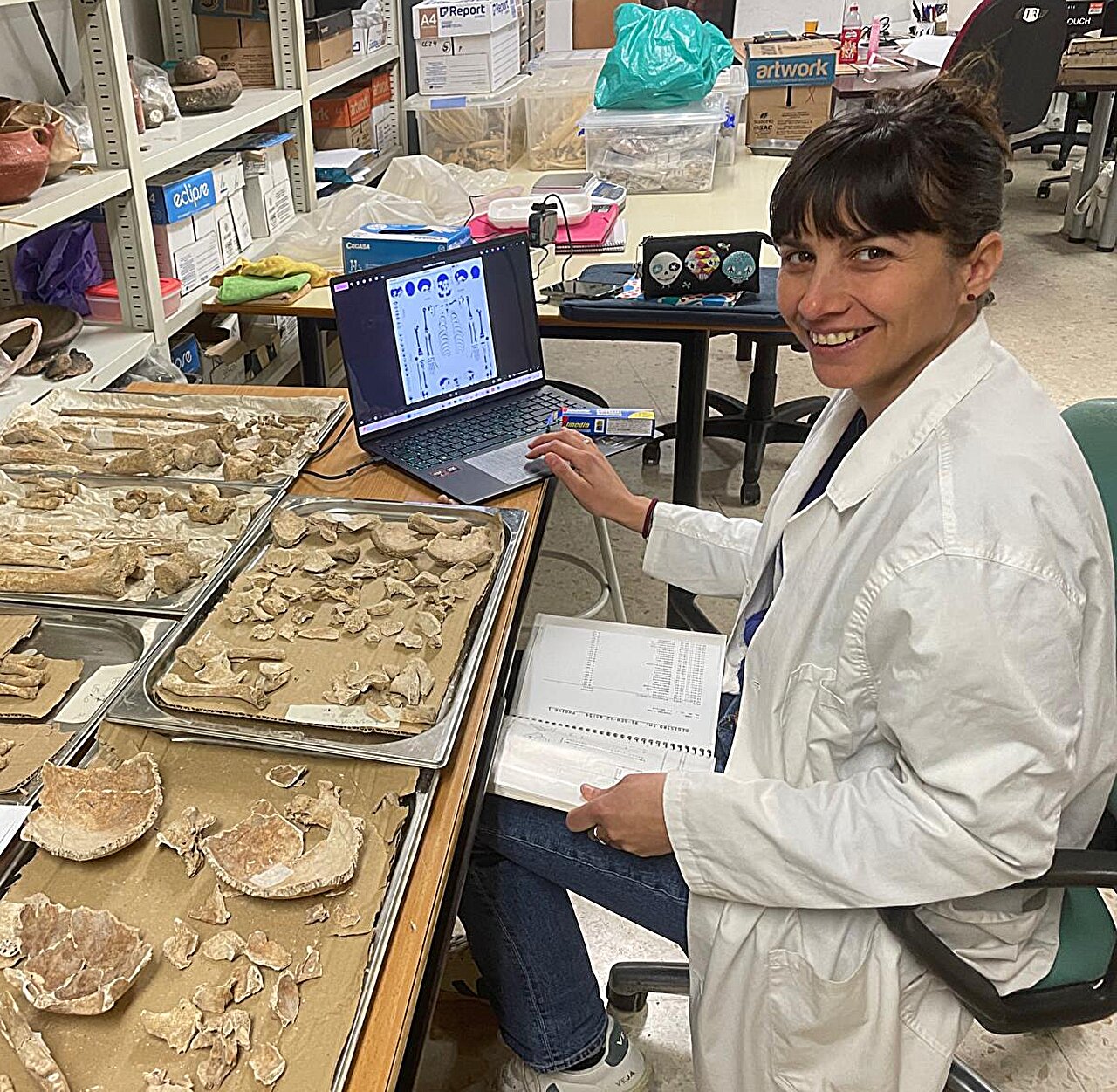
A Novilara diet study has used chemical evidence from human remains to reconstruct life in an Iron Age community in central Italy about 2,700 years ago. According to the University of Córdoba, the findings point to differences in food access between men and women, some movement of people into the community and a gap between burial display and everyday living conditions.
The research was led by the Universities of Córdoba and Pisa and published in the Journal of Archaeological Science. It examined the Novilara necropolis, one of the largest known burial grounds linked to the Picene culture, a pre-Roman society in central Italy.
Researchers combined bioarchaeological work with multi-isotopic analysis, a method that reads chemical signatures preserved in human tissues. The paper, titled “Multi-isotopic insights into diet, mobility, and status in the Picene necropolis of Novilara, Italy (8th-7th centuries BCE),” focused on what those traces could show about diet, movement and social identity.
What did the Novilara diet study find?
The study found that men appear to have had more access to animal protein than women, according to the University of Córdoba. The researchers also estimated that between 1.4% and 6.4% of the people studied came from other areas, suggesting contact with outside populations, including some from farther away.
The community’s diet was based mainly on cereals and meat, the university said. Fish did not dominate the diet even though Novilara was close to the Adriatic Sea, about 6 kilometers, or 3.7 miles, away.
Stable isotopes of carbon, nitrogen and sulfur were central to the analysis. Zita Laffranchi, a researcher in the Prehistory Department at the University of Córdoba, said bones and teeth take in isotopic signals from food and water as they form, allowing researchers to infer diet, mobility and the environment in which people lived.
Why grave goods did not match diet
The study also found that rich-looking graves did not necessarily mark people who ate better during life. Individuals buried with high-status objects, including amber ornaments or weapons, did not show isotopic signs of a superior diet compared with people whose burials were more modest, according to the university.
Laffranchi said the findings show that social inequality cannot be read only from the objects placed in tombs. The researchers argue that funerary status may have reflected symbolic choices made by the community’s survivors rather than the deceased person’s living conditions in a direct way.
That distinction matters for how archaeologists interpret ancient cemeteries. Grave goods can signal social ideas, family decisions or ritual customs, while isotopic evidence can offer a separate line of evidence about what people ate and where they may have lived.
Marco Milella, a researcher at the University of Pisa, said the work shows how bioarchaeological methods can help explain identity, mobility and social differences in past societies. The Novilara results add evidence that daily life in pre-Roman Iron Age Italy included gendered food patterns, movement between communities and social signals that were not always matched by material living conditions.
This story draws on original reporting from Phys.org.