
Newborn finger ratios linked to head size in study of boys
Swansea University says a study of 225 babies points to a possible role for prenatal estrogen in the evolution of larger human brains.
By Tom Brennan · Health & Medicine Correspondent
3 min read
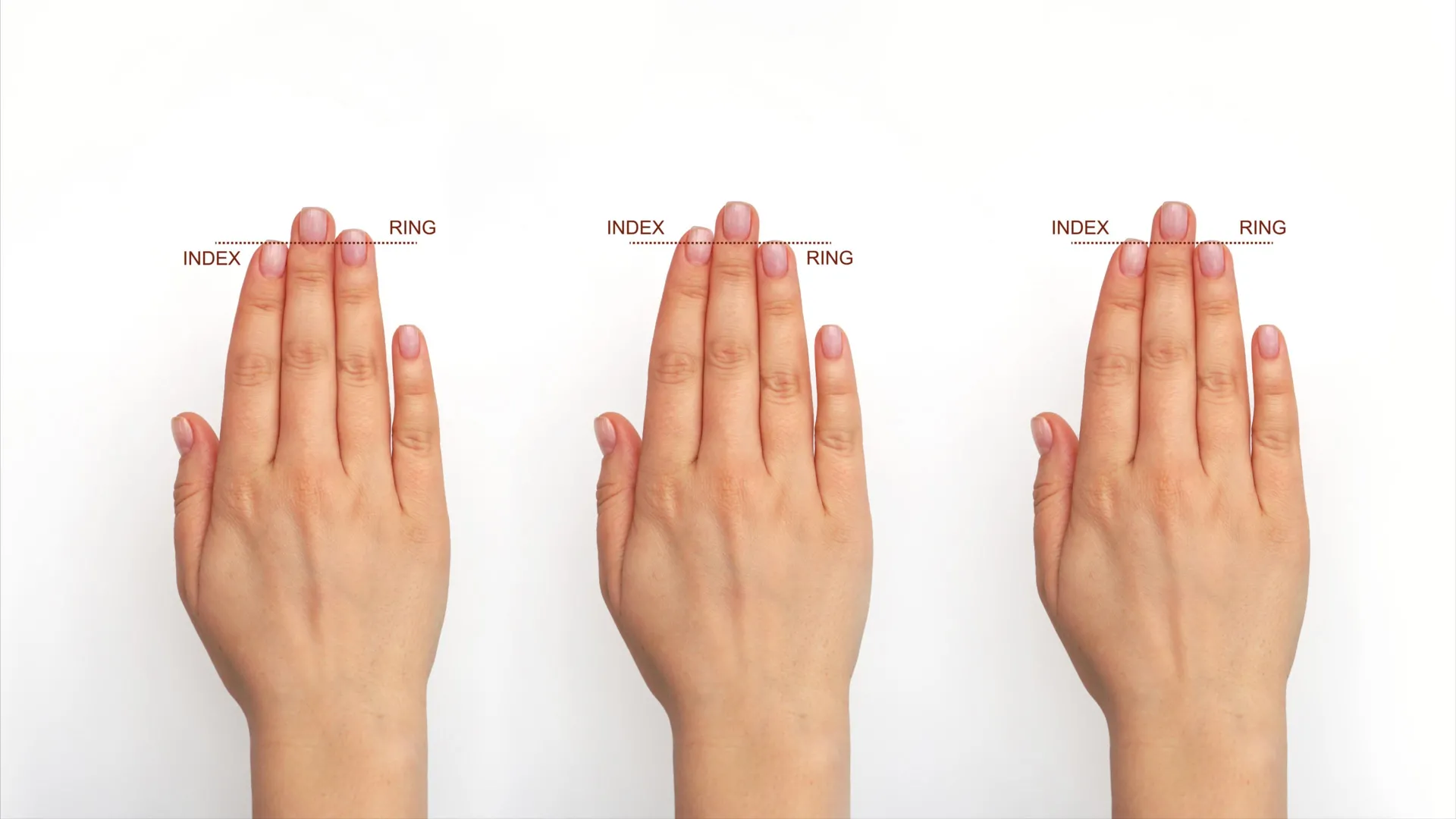
A study of newborns has found a link between finger-length patterns associated with prenatal estrogen exposure and larger head circumference in boys, Swansea University said. The findings matter because head circumference is widely used as a broad marker of newborn brain size, giving researchers another clue about how hormones before birth may have influenced human brain evolution.
The research, published in Early Human Development, examined 225 newborns, including 100 boys and 125 girls, according to Swansea University. The team included Professor John Manning of Swansea University’s Applied Sports, Technology, Exercise and Medicine research team and researchers from Istanbul University’s Department of Anthropology.
The study focused on digit ratio, known as 2D:4D. That measure compares the length of the index finger, or second digit, with the length of the ring finger, or fourth digit.
Researchers use the ratio as an indirect sign of the balance of estrogen and testosterone exposure during the first trimester of pregnancy, Swansea University said. A comparatively longer index finger against the ring finger produces a higher 2D:4D ratio and is associated with higher estrogen exposure relative to testosterone.
What the researchers measured
The team measured each baby’s 2D:4D ratio and compared it with head circumference. Swansea University said head circumference is often used as a general indicator of brain size in newborns and has been linked in other work to later cognitive development and IQ, though intelligence is shaped by many genetic, developmental and environmental factors.
The researchers reported that boys with a higher 2D:4D ratio also tended to have larger head circumferences. Swansea University said the same relationship was not found among girls in the study.
The finding does not show that finger length causes larger brains. Swansea University described digit ratio as a possible marker of early fetal hormone exposure, with the study identifying an association rather than a direct mechanism.
A hypothesis about brain evolution
The work adds evidence to an idea known as the estrogenized ape hypothesis, according to Swansea University. That hypothesis proposes that the expansion of the human brain evolved alongside changes that made the human skeleton less robust and more physically feminized compared with earlier ancestors.
Manning said the study is relevant to human evolution because increased brain size appears alongside skeletal feminization in that hypothesis. He also said high 2D:4D values in males have been associated with higher rates of heart problems, poor sperm counts and a predisposition to schizophrenia.
According to Swansea University, the researchers suggest that larger brains may have carried evolutionary benefits even if the hormone patterns linked with that development also came with biological costs for males. Manning said the evolutionary push toward larger human brains may be tied to reduced male viability, including cardiovascular problems, infertility and schizophrenia rates.
The journal reference lists the study as “Digit ratio (2D:4D) and neonatal head circumference: Evidence for oestrogenization in human brain evolution?” by Barış Özener, John T. Manning, Berna Ertuğrul and Fatih Aydık. Swansea University said Manning’s previous research has also examined whether digit ratio can provide information related to alcohol consumption, COVID-19 outcomes and oxygen consumption in footballers.
This story draws on original reporting from ScienceDaily.