
New Zealand deer management urged to protect native forests
A new ecology paper says deer are eroding New Zealand forests from below and calls for a national plan balancing conservation and hunting.
By Lucas Ferreira · Science & Environment Writer
3 min read
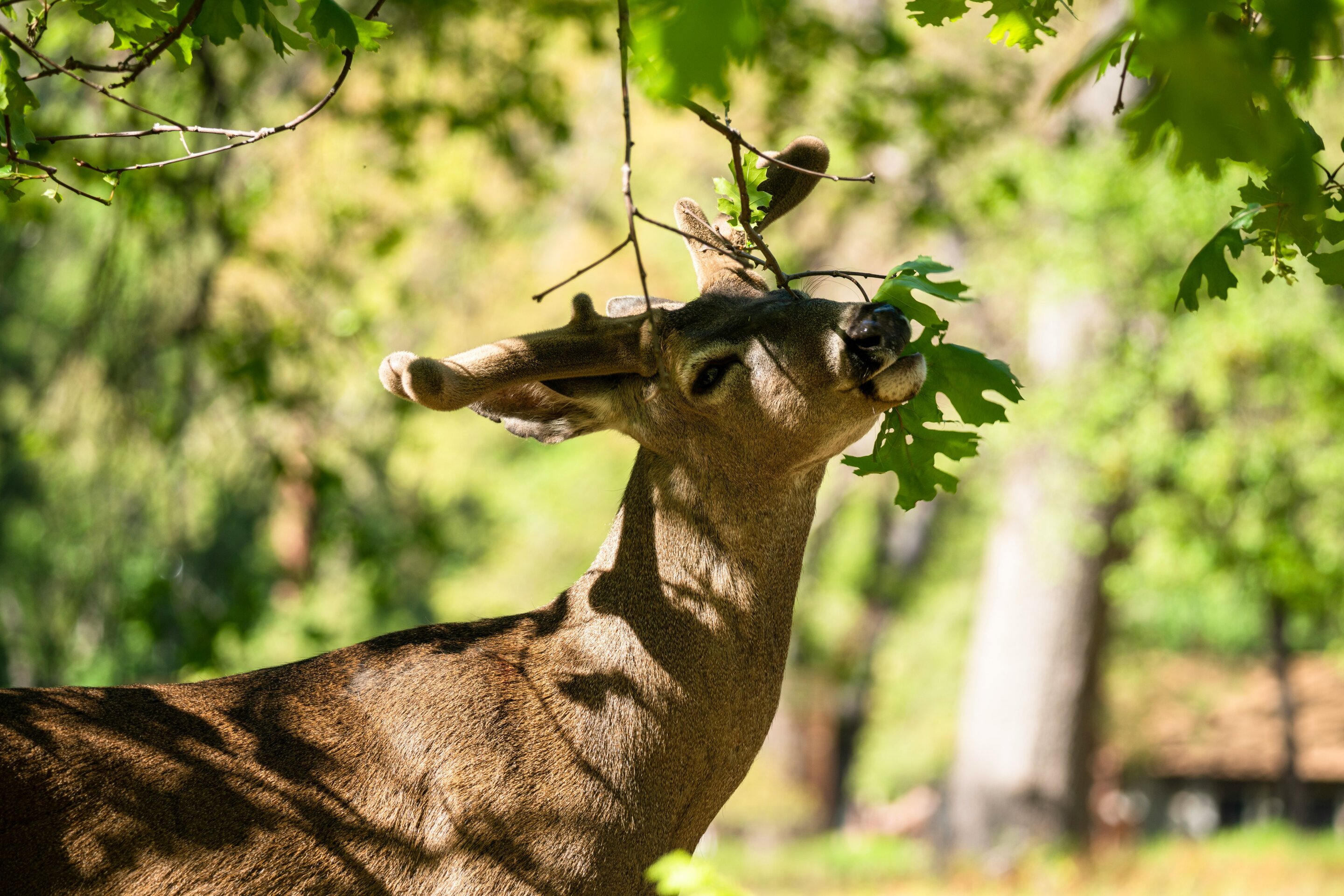
A national New Zealand deer management strategy is needed to slow damage to native forests, according to a new paper published in the New Zealand Journal of Ecology. The study, led by Te Whare Wānanga o Waitaha | University of Canterbury Emeritus Professor David Norton, warns that deer are weakening forests in ways that can remain hidden for decades.
Norton says mature native trees can live for several hundred years, which means the loss of seedlings, shrubs and mid-level vegetation may not immediately show in the canopy. A forest can still look healthy from above while the next generation of plants has been eaten or damaged below, he said.
Why are deer a threat to New Zealand native forests?
Deer harm forests by feeding on young plants and removing the lower and intermediate layers that forests need to renew themselves, according to Norton and his co-authors. They also trample the forest floor, strip away leaf litter, compact soil and can affect water infiltration and soil health.
Norton contrasted deer with moa, the large native birds that once lived in New Zealand forests. He said moa moved on broad bird feet, while deer have narrow cloven hooves that put more pressure on the ground.
The paper, titled “Deer in the headlights: sleepwalking our way to a native forest catastrophe,” says the problem is developing slowly. Because many canopy trees are long-lived, the full effects may only become clear when older trees die and replacement seedlings are missing.
What does the paper recommend?
Norton says New Zealand should decide which native forest areas are most important for biodiversity conservation and climate resilience, then treat those places as priorities for removing deer. In other areas, he said, a managed deer herd could remain for recreational hunting.
He said he would prefer, as an ecologist, to have no deer in New Zealand, but acknowledged that deer have social value. Norton called for cooperation among hunters, conservationists, farmers, plantation foresters, government and iwi.
The paper frames native forests as more than places for recreation. Norton says they store carbon, provide habitat for native plants and animals, protect watersheds and reduce risks for downstream communities.
Those functions are becoming more important as climate change increases intense rainfall events, Norton said. If forests weaken or change, he said, less water and sediment may be held in the system, increasing downstream damage.
Norton cited broadleaf as an example of visible deer impact. He said browsing can leave foliage beginning only above the height deer can reach, with little or nothing below; when those trees die, the lack of seedlings can lead to their disappearance from affected areas.
Before people arrived, about 75% to 80% of Aotearoa New Zealand was covered in native forest, Norton said. Today, he said, native forest covers about 25% to 30% of the country.
The study was authored by David Norton and colleagues and published in the New Zealand Journal of Ecology.
This story draws on original reporting from Phys.org.