
Nanoplastics may help bacteria resist water disinfectants
Virginia Tech researchers say nanoplastics can toughen microbial biofilms, a finding that could complicate efforts to keep drinking water systems clean.
By Priya Raghavan · Science Reporter
3 min read
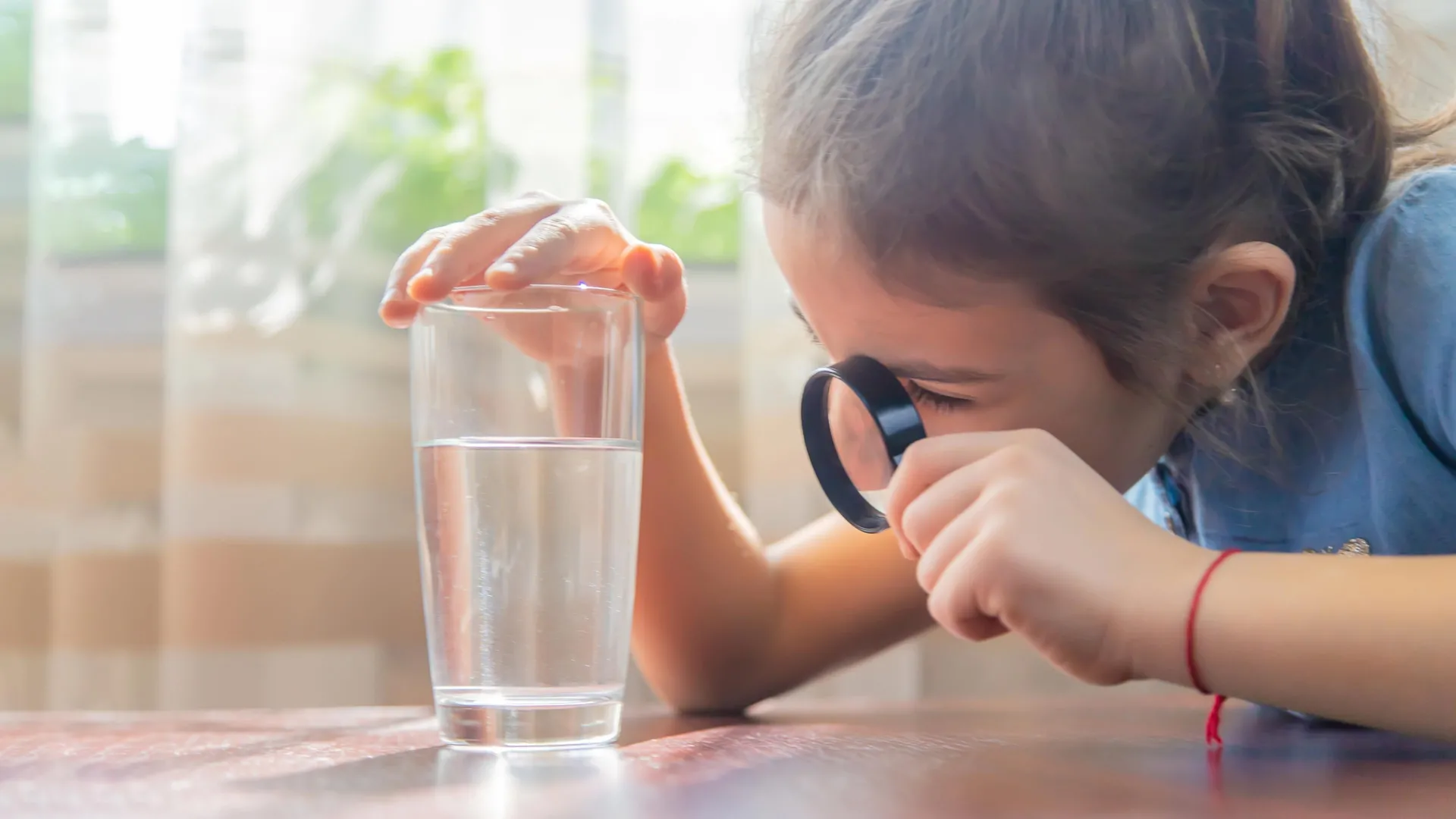
Tiny plastic particles in water can make some bacterial communities harder to remove, according to a Virginia Tech-led study. The finding points to a possible indirect health risk from nanoplastics: they can strengthen biofilms that form on surfaces inside water treatment and distribution systems.
The research, published in Water Research, examined how nanoplastics affect microbial biofilms containing E. coli and Pseudomonas aeruginosa. Virginia Tech said the international team found that exposure to nanoplastics increased the biofilms’ physical resilience and made them more resistant to disinfectants.
Jingqiu Liao, an assistant professor of civil and environmental engineering at Virginia Tech, said the work shows that nanoplastics could affect human health not only through direct ingestion but also through changes in environmental microbes. Virginia Tech said Liao is affiliated with the Fralin Life Sciences Institute’s Global Change Center and its Center for Emerging, Zoonotic, and Arthropod-borne Pathogens.
How plastics interact with biofilms
Nanoplastics are a subset of microplastics, measuring about 1 to 1,000 nanometers, according to Virginia Tech. They are too small to see without specialized equipment.
Biofilms are communities of bacteria attached to surfaces, including pipe interiors, according to Virginia Tech. The bacteria produce protective material around themselves, which can help the group survive stresses in its environment.
Virginia Tech said biofilms are not harmful in every setting and can help remove unwanted substances in some systems. In drinking water infrastructure, however, biofilms can create concern when they harbor bacteria capable of causing disease.
The study focused on interactions among bacteria, biofilms and bacteriophages, Virginia Tech said. Bacteriophages are viruses that infect bacteria, and the university said scientists had limited information on how nanoplastics might alter those relationships.
What the researchers found
The team reported several responses after nanoplastics came into contact with the two-species biofilm. Virginia Tech said bacteria increased chemical signaling between cells, a process that can lead them to release substances that make the biofilm thicker and more protective.
The researchers also observed activation of prophages, according to Virginia Tech. Prophages are viral genetic material inserted into bacterial genomes; when activated, they can kill host bacterial cells while generating new virus particles.
Virginia Tech said the bacteria also mounted antiviral defenses using CRISPR-related mechanisms. Those defenses target invading viruses through DNA or RNA-based systems.
Taken together, the responses produced tougher biofilms, the researchers reported. The study’s authors concluded that stronger, more disinfectant-resistant biofilms could challenge water treatment and distribution systems by making growth on some surfaces harder to eradicate.
Next questions
Liao said more work is needed to identify the molecular processes behind these effects in complex biofilms made up of multiple microbial species, according to Virginia Tech. She also said particle size could matter, because larger microplastics may influence bacteria and phages differently from nanoplastics.
The journal paper lists researchers from Virginia Tech, the Chinese Academy of Sciences, the Swiss Federal Institute of Aquatic Science and Technology, Rice University and Zhejiang University. The study is titled “Nanoplastics induce prophage activation and quorum sensing to enhance biofilm mechanical and chemical resilience.”
This story draws on original reporting from ScienceDaily.