
Mountain climate adaptation study urges planning before disasters
Researchers say mountain regions need earlier, community-led climate planning as glaciers retreat and livelihoods face rising risks.
By Tom Brennan · Health & Medicine Correspondent
3 min read
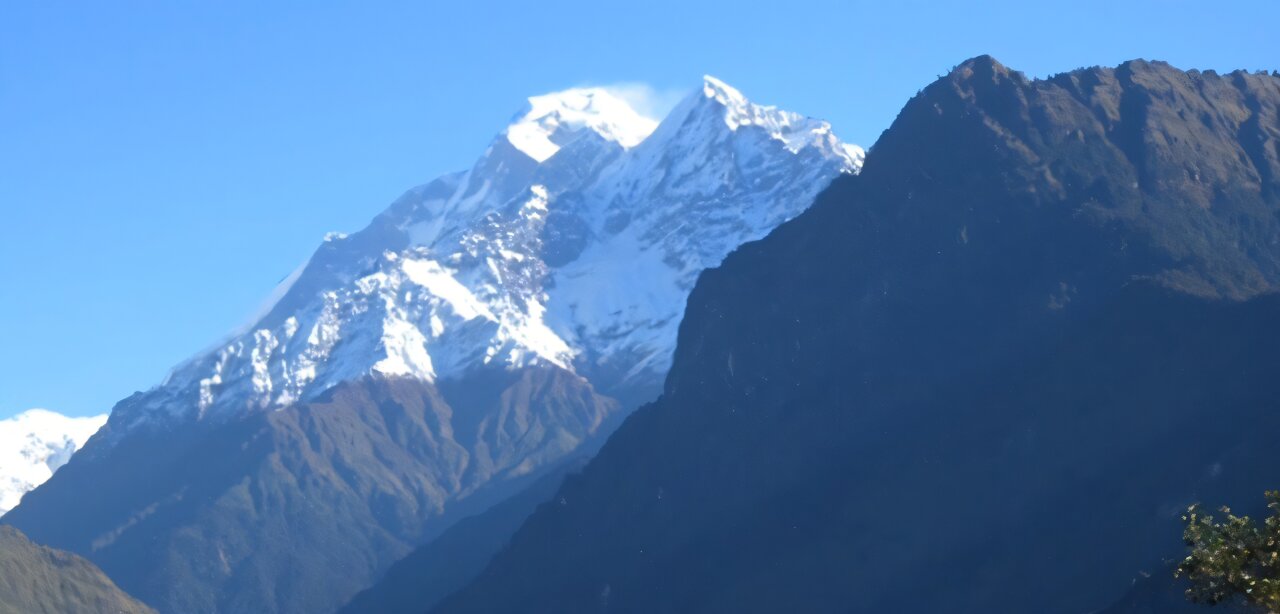
An international research team is calling for a new mountain climate adaptation framework that helps communities plan before climate damage turns into disaster. The study matters far beyond high elevations: according to the University of York, nearly half of the world’s population depends on resources that originate in mountain ranges, including drinking water, hydropower, agriculture and biodiversity.
The work, published in Cell Reports Sustainability, argues that many existing adaptation methods are too narrow for mountain regions. The researchers say models that focus on single sectors or fixed forecasts can miss how climate, ecosystems, local economies and political decisions interact.
The study draws on 25 case studies from 18 countries across five continents, according to the University of York. It was funded by the Mountain Research Initiative and the French National Research Agency.
What is mountain climate adaptation?
Mountain climate adaptation means changing policies, infrastructure, land use and local planning so high-altitude communities can cope with climate shifts. In this study, the researchers define the task more broadly: planning for several possible futures rather than waiting for floods, water shortages, ecosystem loss or livelihood shocks to arrive.
The University of York said mountain environments are under growing pressure as glaciers shrink, permafrost thaws and weather patterns shift. The study links those changes to risks for traditional livelihoods such as farming, fishing and ecotourism.
Rob Marchant, professor of tropical ecology at the University of York and a co-author of the study, said mountain areas can support sustainable development well beyond their own boundaries. He said closer work with mountain communities can help address connected pressures involving climate change, biodiversity decline and livelihoods.
What did the researchers recommend?
The research team set out five principles for governments, scientists and local leaders working in mountain regions. The recommendations aim to make public decisions more anticipatory and less dependent on emergency response, according to the study.
- Work with local communities from the start, including Indigenous peoples, residents, policymakers and researchers, so plans fit local conditions.
- Combine academic fields, including social science, natural science and citizen science, to show how human choices and environmental change affect each other.
- Link local decisions with wider regional and global pressures, so short-term economic and political choices account for long-term environmental trends.
- Plan for several possible outcomes, rather than relying on one forecast, and include economic change, power relations and community decision-making.
- Build public institutions that use climate science and traditional ecological knowledge before hazards become crises.
Anaïs Zimmer, a geographer at the French National Research Institute for Sustainable Development and the study’s lead author, said the work offers a framework for public policy as well as for scientific research. She said the approach calls for collective learning, local participation and a clear acceptance that future conditions will remain uncertain.
The Mountain Research Initiative’s executive director, Carolina Adler, said the framework could help people working on climate adaptation in mountain regions. The University of York said the approach is intended for protected area managers, city planners and government officials as climate impacts intensify in regions including the Andes and the Himalayas.
More information: Anaïs Zimmer et al., “A research agenda for mountain futures,” Cell Reports Sustainability (2026). DOI: 10.1016/j.crsus.2026.100775.
This story draws on original reporting from Phys.org.