
Mediterranean diet linked to mitochondrial proteins tied to aging
USC-led researchers found older adults who closely followed the diet had higher levels of two microproteins associated with heart and brain protection.
By Lucas Ferreira · Science & Environment Writer
4 min read
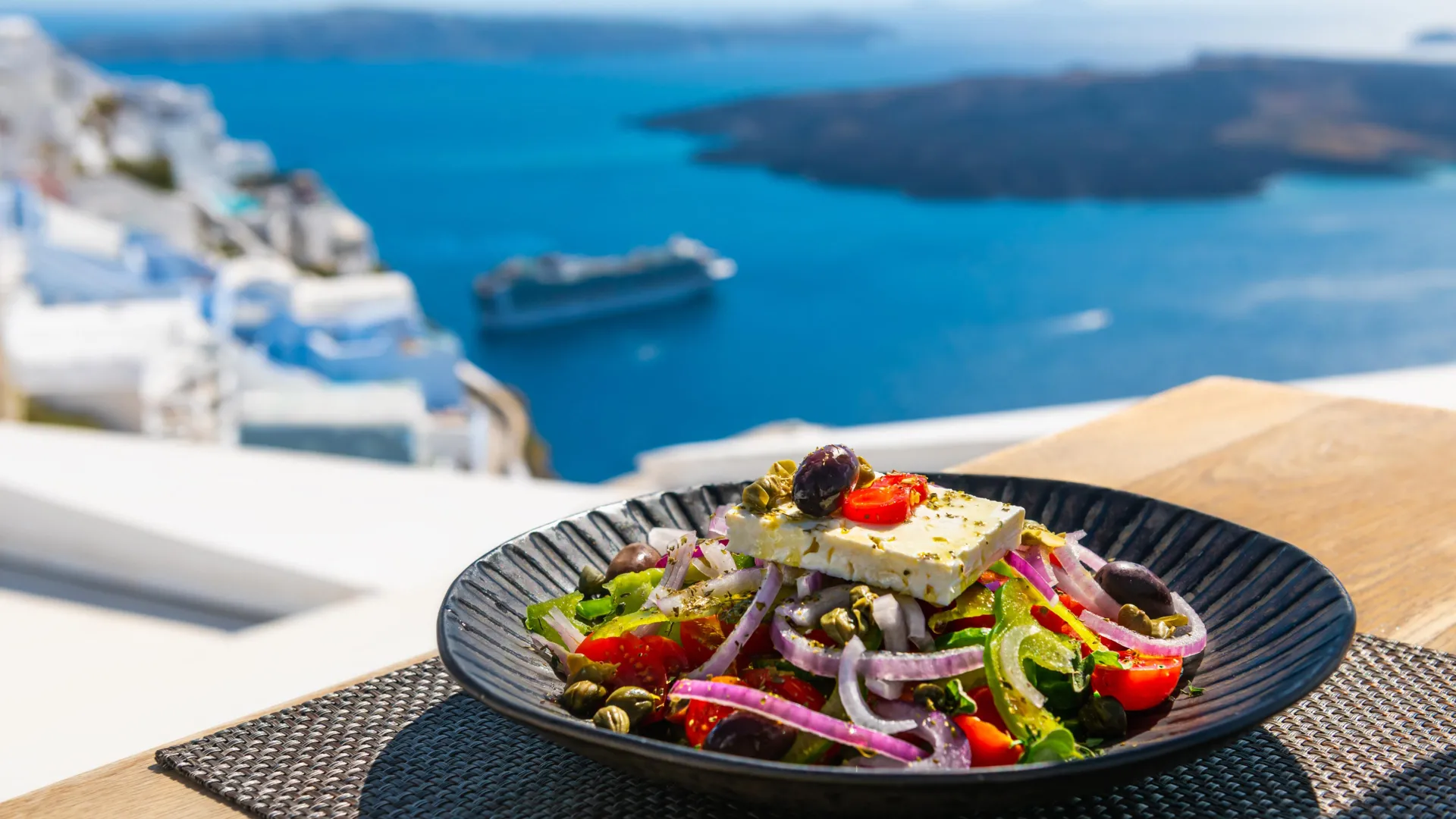
Older adults who more closely followed a Mediterranean diet had higher blood levels of two tiny mitochondrial proteins tied in earlier research to heart and brain protection, according to a USC-led study. The finding points to a possible cellular route by which the eating pattern may support healthier aging, though the researchers said the study shows association rather than proof of cause and effect.
The study, led by Roberto Vicinanza of the USC Leonard Davis School of Gerontology, examined blood samples from older adults with varying adherence to the Mediterranean diet. USC said participants with the strongest adherence had significantly higher concentrations of humanin and SHMOOSE, two mitochondrial microproteins.
Diet pattern tied to cell signaling
Mitochondria are widely known for producing energy inside cells, but USC said scientists increasingly study them as signaling hubs involved in metabolism, inflammation, stress responses and aging. Humanin and SHMOOSE are made from small sections of mitochondrial DNA that researchers once considered to have little function.
USC said both microproteins have been linked in prior work to protection against cardiovascular disease and neurodegeneration. Neurodegeneration refers to the loss of nerve cell function seen in diseases such as Alzheimer's.
The Mediterranean diet emphasizes olive oil, fish, legumes, fruits, vegetables, whole grains and minimally processed foods, while limiting refined carbohydrates, added sugars and heavily processed products. USC said decades of research have associated the diet with lower risks of cardiovascular disease, type 2 diabetes, cognitive decline and early death, but scientists are still identifying the biological processes behind those links.
Olive oil, fish and legumes stood out
In the new analysis, USC said higher intake of olive oil, fish and legumes was associated with higher humanin levels. Olive oil consumption and lower intake of refined carbohydrates were linked to higher SHMOOSE levels.
The researchers also found that people with stronger adherence to the diet had lower signs of oxidative stress, USC said. Oxidative stress occurs when reactive oxygen species overwhelm the body's defenses and can damage proteins, fats and DNA.
Pinchas Cohen, dean of the USC Leonard Davis School and senior author of the study, said the findings suggest parts of the Mediterranean diet may affect mitochondrial biology. Cohen said humanin and SHMOOSE could potentially serve as biomarkers of adherence to the diet and may have clinical significance.
Possible heart-protection mechanism
The study also reported a possible link between humanin and Nox2, an enzyme involved in producing reactive oxygen species. USC said higher humanin levels were associated with lower Nox2 activity, suggesting humanin may help reduce oxidative damage in ways relevant to the heart and blood vessels.
Vicinanza said the finding could represent a new cardioprotective mechanism for the Mediterranean diet. The researchers proposed that the diet may reduce oxidative stress directly while also raising microproteins that help restrain damaging cellular pathways.
Cohen's laboratory has studied mitochondrial peptides for more than two decades. USC said humanin, first identified by Cohen and colleagues in 2003, has been associated in later research with insulin sensitivity, cardiovascular protection, longer life span and preserved cognitive function. The lab later discovered SHMOOSE, which USC said has been linked to brain health; one SHMOOSE genetic variant has been associated with increased Alzheimer's risk, while the normal form appears to protect neurons from amyloid-related damage.
Limits and next steps
The study was published in Frontiers in Nutrition under the title “Mediterranean diet adherence is associated with mitochondrial microproteins Humanin and SHMOOSE; potential role of the Humanin-Nox2 interaction in cardioprotection.” Coauthors included researchers from USC Leonard Davis School and Sapienza University of Rome.
USC said the work was relatively small and observational, meaning it could not show that the diet caused the changes in microprotein levels. Physical activity, medication use, genetics, health status and other lifestyle factors could also have influenced the results.
The researchers said future studies should test whether changing diet can raise humanin and SHMOOSE levels and whether those increases reduce disease risk. USC said the work could contribute to precision nutrition, an approach that uses biological measures and personal characteristics to tailor dietary advice.
This story draws on original reporting from ScienceDaily.