
Mars water evidence emerges from Spirit rover soil data
A new review of NASA Spirit rover data found hematite and altered magnetite in Gusev Crater soil, pointing to past water on Mars.
By Lucas Ferreira · Science & Environment Writer
3 min read
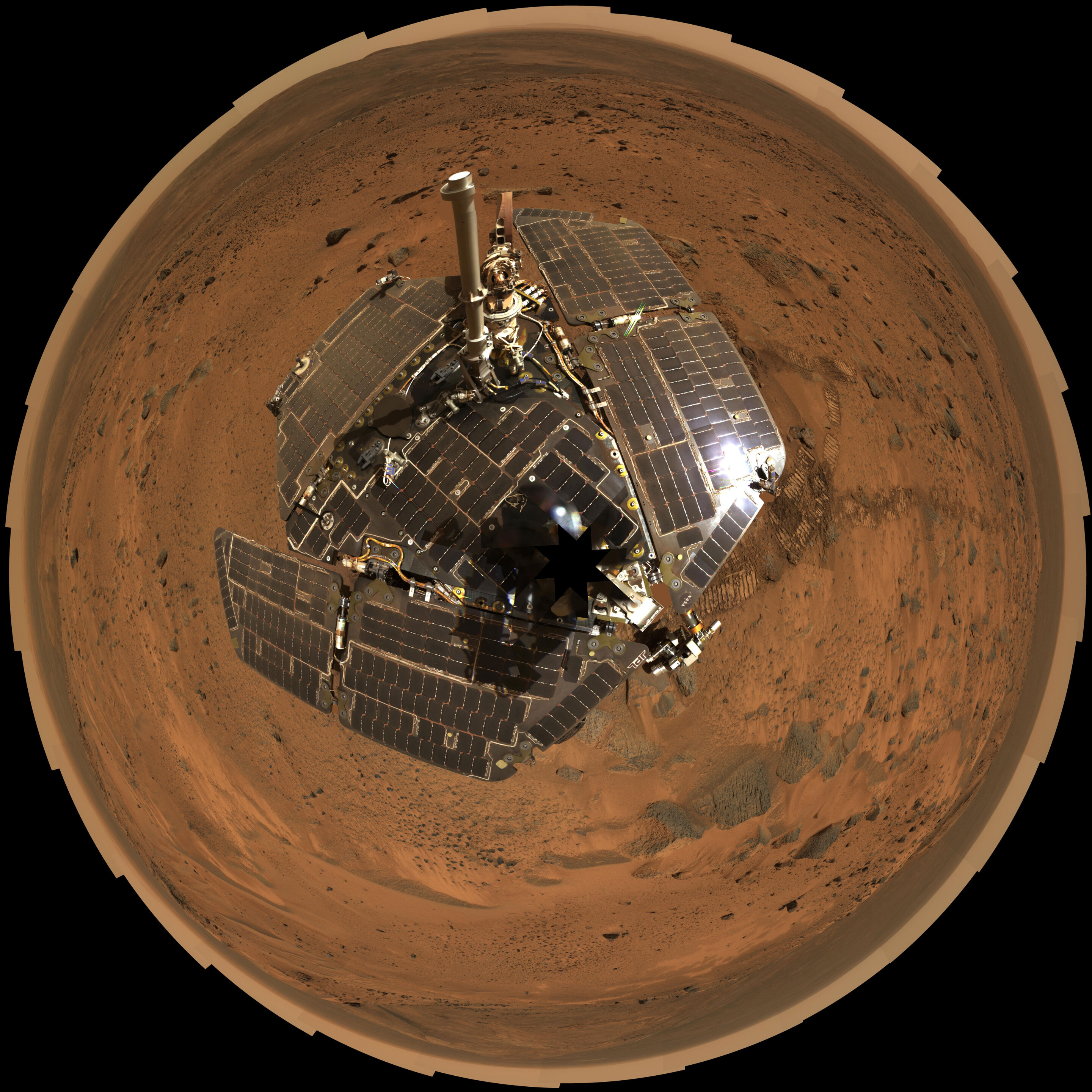
New Mars water evidence has emerged from a fresh analysis of data gathered by NASA’s Spirit rover, more than two decades after the spacecraft reached the red planet. Edith Cowan University said Professor Paulo de Souza found mineral signals in Martian soil that add to the case that water once helped shape broad areas of Mars.
De Souza, Edith Cowan University’s deputy vice-chancellor for research and a former member of NASA’s Mars Exploration Rover mission, reviewed observations collected by Spirit during more than 2,000 Martian days. His findings were published in the journal Interactions.
What did the Mars water evidence show?
According to Edith Cowan University, de Souza identified traces of crystalline hematite and altered magnetite in soil from Gusev Crater. Those minerals matter because they can develop when rock interacts with water, making them clues to the planet’s earlier environment.
The university said de Souza examined data from 32 undisturbed soil locations observed by Spirit between 2004 and 2010. By combining hundreds of measurements, he produced what the university described as the most detailed iron-mineral profile yet made for ordinary Martian soil.
De Souza said one of the key results was the detection of crystalline hematite in typical Martian soil. He said its broad presence suggests water was present and that large regions of Mars may once have been covered by water.
Why was the hematite hard to find?
Scientists had previously thought hematite was largely missing from these soils, according to Edith Cowan University. The new analysis indicates the mineral may have been present in quantities too small for individual rover readings to reveal.
De Souza said the original Spirit observations faced practical limits, including restricted time, limited power and the gradual aging of the instrument that gathered the data. He said many single measurements lacked enough detail to identify minerals occurring in very small amounts, but that combining the data exposed information that had remained hidden.
The work also supports the view that much of Mars is blanketed by a comparable layer of dust and soil, Edith Cowan University said. Scientists believe that layer built up over millions of years through wind erosion, severe temperature swings and the movement of dust around the planet.
What was the Spirit rover?
Spirit was part of NASA’s Mars Exploration Rover mission and landed on Mars more than 20 years ago, according to Edith Cowan University. The rover gathered the soil measurements used in this new study while operating in Gusev Crater from 2004 to 2010.
De Souza said the result shows why researchers continue to revisit data from earlier space missions. He said discoveries can come not only from collecting new measurements, but also from applying improved analytical methods to records that already exist.
This story draws on original reporting from Phys.org.