
Malaria parasite linoleic acid reliance points to possible drug target
NYU Abu Dhabi researchers found the malaria parasite favors linoleic acid fats in blood, exposing a potential weakness for future drugs.
By Tom Brennan · Health & Medicine Correspondent
3 min read
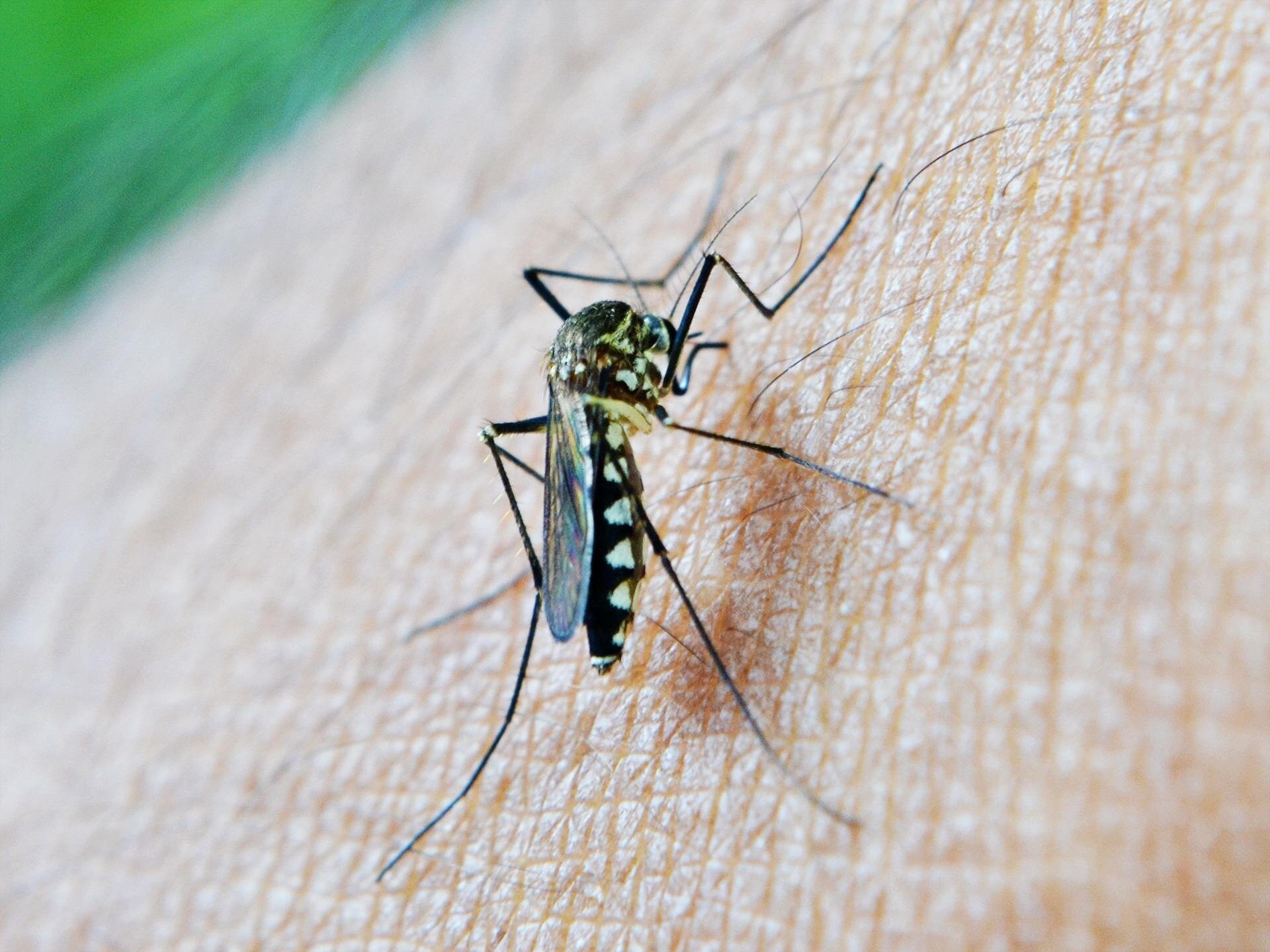
NYU Abu Dhabi researchers have identified a malaria parasite linoleic acid dependence that may offer a new route for antimalarial drug research. The finding matters because it suggests the parasite does not draw on host nutrients broadly during infection, but instead appears to favor a specific class of blood fats.
The study, published in Genome Biology, examined blood samples from 396 children in Burkina Faso before and during malaria infection, according to New York University. The researchers reported that the parasite repeatedly selected fats containing linoleic acid while growing in the blood stage of the disease.
Linoleic acid is an essential fatty acid that humans get through food, according to NYU. The study found that fats containing it were tied to the parasite’s growth, making that nutrient pathway a possible target for future treatment strategies.
Why does the malaria parasite need linoleic acid?
The NYU Abu Dhabi team found that the parasite used blood fats containing linoleic acid to support survival and multiplication inside the human host. That selectivity, the researchers said, points to a biological weakness that had not previously been recognized.
Youssef Idaghdour, associate professor of biology at NYU Abu Dhabi and senior author of the study, said malaria still kills hundreds of thousands of people each year while scientists continue to learn how the parasite persists in the body. According to NYU, Idaghdour said the parasite’s narrow nutrient preference could create an opening for treatments designed to interfere with that dependency.
The pattern was seen in children from three ethnic groups in Burkina Faso described by the researchers as genetically and culturally distinct. NYU said that consistency suggests the parasite’s reliance on these fats may be a core feature of malaria infection rather than a result limited to one group of patients.
The researchers also tested the finding in laboratory experiments, according to NYU. Those experiments supported the conclusion that fats containing linoleic acid play an essential role in parasite growth.
How did researchers find the nutrient link?
The study combined patient samples with genetic and metabolic analysis, according to NYU. By looking at host responses before and during infection, the team reported a detailed view of how the parasite obtains nutrients from the human body.
The publication, titled “Integrated lipidomic and transcriptomic profiling of the host response in human malaria,” lists Wael Abdrabou and colleagues as authors. NYU said the approach allowed researchers to detect host-parasite interactions that were not previously visible through less integrated methods.
Idaghdour said the broader goal is to understand malaria biology well enough to identify new points for therapeutic intervention, according to NYU. The study does not report a new drug, but it provides a candidate pathway for future antimalarial research.
The findings also raise questions about how diet and metabolism may affect infectious disease, NYU said. Further research would be needed to determine whether nutrition changes malaria risk or outcomes, or whether the parasite’s fat preference can be safely disrupted in patients.
This story draws on original reporting from Phys.org.