
Ladakh ancient DNA reveals a lost Himalayan population
Researchers say 10 cave genomes show a rare South Asian-Tibetan ancestry mix that still echoes in Himalayan groups today.
By Tom Brennan · Health & Medicine Correspondent
3 min read
A Ladakh ancient DNA study has identified a population that researchers say had not been documented before in genetic research. The finding matters because ancient DNA from South Asia remains limited, leaving gaps in the history of how people in the region formed and moved over time.
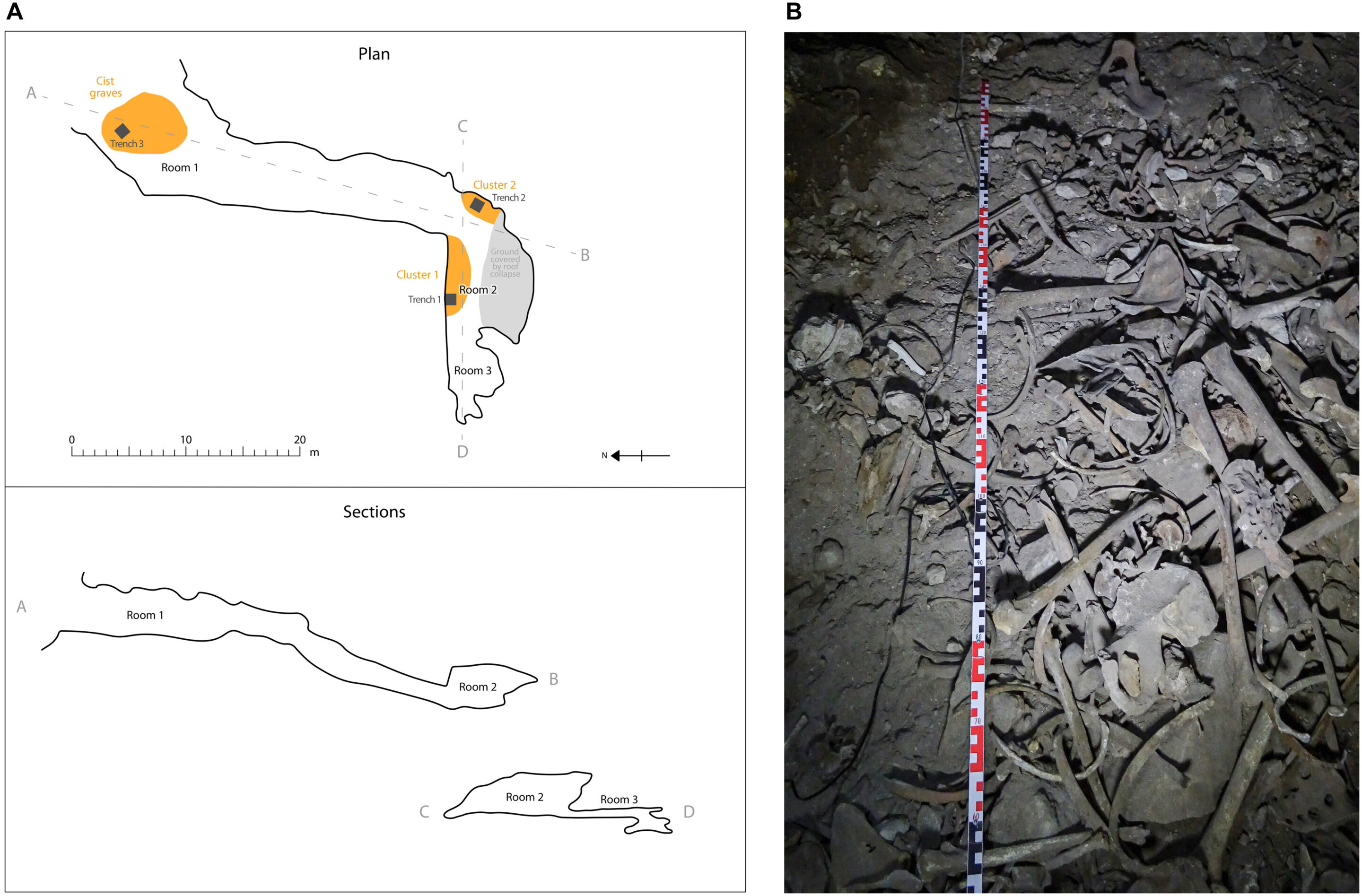
The study, published in Science Advances, analyzed remains from 10 people excavated in 2021 at Old Lady Spider Cave in Ladakh, a high-altitude region of northern India. The cave sits about 4,000 meters, or 13,100 feet, above sea level in an area long tied to routes linking South Asia, Tibet and Central Asia, according to the researchers.
What did the Ladakh ancient DNA study find?
The research team reported that the cave individuals lived roughly 1,500 years ago and shared an unusual genetic profile. Their ancestry was close to an even split: about half related to South Asian populations and about half related to Tibetan populations, according to the study.
The South Asian-related portion most closely resembled present-day North Indians, while the Tibetan-related portion was linked to ancient Tibetans, the researchers reported. That combination is rare in people living today, according to the study.
To reach those conclusions, the team first used radiocarbon dating on the remains. Researchers then extracted DNA from bone and tissue and compared the results with genome-wide genetic data from thousands of ancient and modern people.
How did researchers estimate when the groups mixed?
The team used mathematical models to study the length of DNA segments inherited from the two ancestral sources. When populations mix, inherited DNA blocks tend to become shorter across generations, so their size can help estimate how long ago the mixing began.
Those models indicated that the South Asian-related and Tibetan-related ancestry began blending around 2,800 years ago. That is about 1,300 years before the people found in Old Lady Spider Cave lived, according to the study.
The researchers cautioned that the genetic timing does not prove the initial mixing happened in Ladakh. It shows when the ancestral streams likely began combining, not the exact place where that process started.
Did the ancient Ladakh population disappear?
The study found evidence that the group did not leave the genetic record entirely. Researchers reported that the ancient population contributed ancestry to present-day Himalayan groups, including the Minero and Balti people of Ladakh.
Beyond the DNA evidence, the study gives limited detail about who these people were, how they lived or how they identified themselves. The genetic results do, however, place Ladakh in a wider human history involving South Asian and Tibetan-related ancestry over thousands of years.
The paper is titled “Ancient genomes from Ladakh reveal 2800-year-old admixture between Tibetans and South Asians.” Its authors include Nick Patterson and colleagues, and it was published in Science Advances in 2026.
This story draws on original reporting from Phys.org.