
Koala DNA points to ancient collapse before humans reached Australia
A genomic study led by University of Sydney researchers says living koalas descend from a small eastern population that survived severe climate stress.
By Priya Raghavan · Science Reporter
3 min read
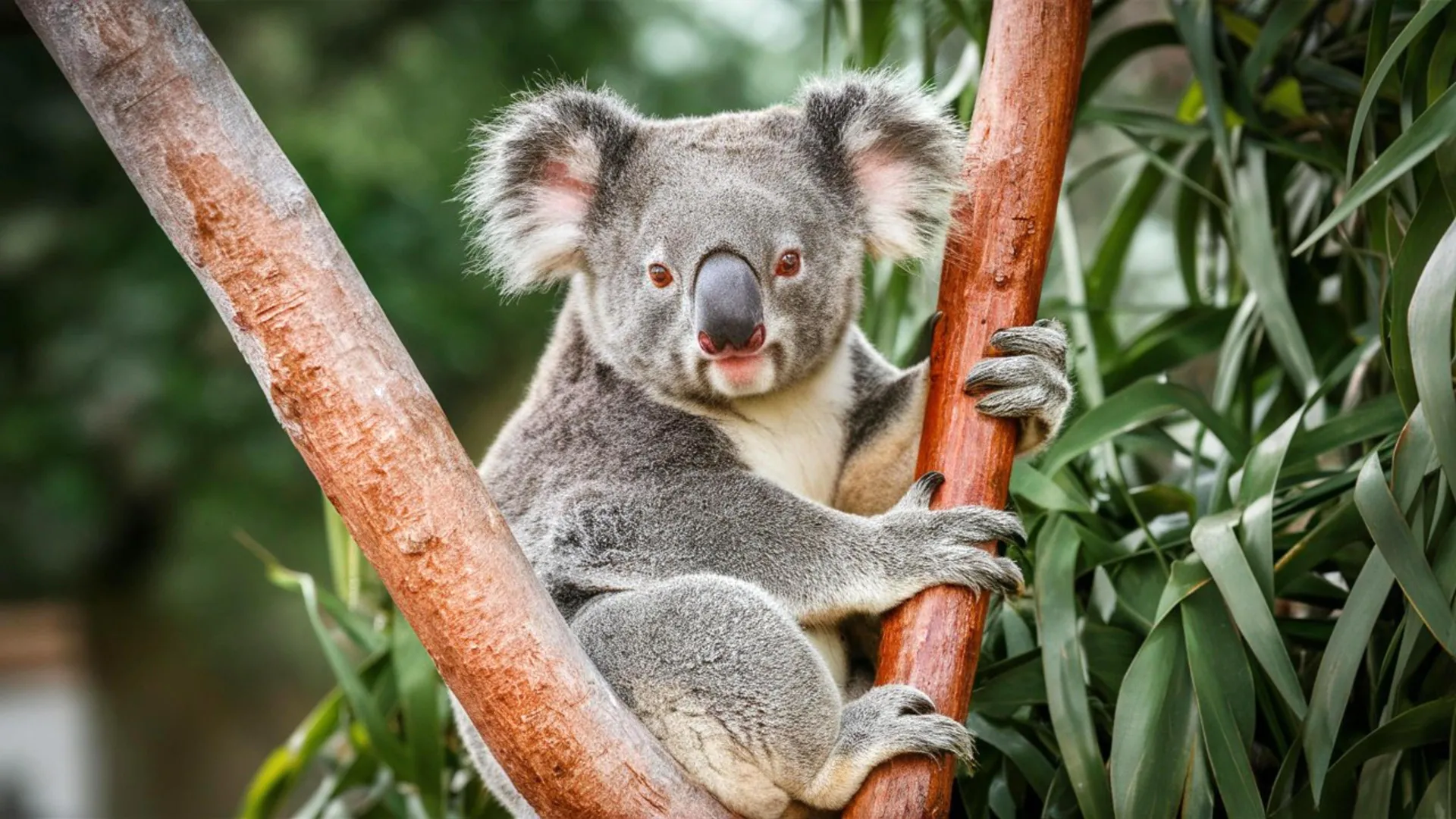
Koalas suffered a severe population crash tens of thousands of years before humans arrived in Australia, according to a new genomic study. The finding changes the timeline for one of Australia’s best-known marsupials and may help conservationists judge how much genetic diversity the species can still lose.
The research, led by scientists at the University of Sydney and Texas A&M University, was published in Molecular Biology and Evolution, according to the University of Sydney. It found that living koalas appear to trace back to a small ancestral group that survived major environmental upheaval and later spread through eastern Australia.
Lead researcher Toby Kovacs, a PhD student, said the team reconstructed koala history by first calculating the species’ mutation rate. The researchers sequenced genomes from four parent-offspring trios and counted new genetic changes, producing what the university described as the first direct mutation-rate estimate for koalas or any member of the marsupial order Diprotodontia, which includes wombats, kangaroos and possums.
The team then applied that rate to 457 koala genomes. According to the University of Sydney, the analysis showed a major decline beginning about 100,000 years ago, with a severe genetic bottleneck around 60,000 years ago.
That timing matters because earlier work had placed a koala decline after modern humans reached Australia about 65,000 years ago. The University of Sydney said those earlier estimates relied on mutation rates from more distant mammals, including humans and mice, rather than a rate measured directly in koalas.
Climate shifts reshaped koala habitat
The study links the ancient decline to environmental change during the late Pleistocene, when Australia cycled through colder, drier glacial periods and warmer, wetter intervals. The University of Sydney said those shifts made the continent more arid and more prone to fire, reducing suitable habitat for koalas.
The university said the spread of the Nullarbor Plain around 70,000 years ago created a broad semi-arid barrier that helped separate eastern and western koalas. The western population later vanished, while a small eastern population survived the harshest glacial conditions.
As conditions improved in the current interglacial period, that surviving eastern group expanded, according to the study. Between 16,500 and 6,000 years ago, it split into five genetically distinct populations that became the basis for koalas now found along Australia’s east coast.
Modern risks are different
Kovacs said fossil evidence alone cannot show how many koalas lived in Australia 100,000 years ago, while genomic data preserves signals of older population sizes and losses in diversity. He said the findings show koalas have declined before under climate pressure and habitat loss, then recovered when conditions improved.
The researchers also stressed that present-day threats are human-driven. According to the University of Sydney, koalas now face land clearing, bushfires, hunting and disease, and the species has been listed as endangered in Queensland, New South Wales and the Australian Capital Territory since 2022.
The new mutation-rate estimate may also sharpen modern conservation planning. The University of Sydney said recent genomic estimates indicate koalas in Queensland and New South Wales have continued to decline, while populations in Victoria appear to be recovering.
Kovacs said the team now wants to examine whether other Australian species, including close relatives of extinct megafauna, also declined before humans arrived. He said measuring how fast genetic changes arise can help scientists reconstruct population history, assess koalas’ capacity to adapt and make better conservation decisions.
This story draws on original reporting from ScienceDaily.