
Kitchen sponge bacteria can survive for weeks, research finds
German lab research found food-poisoning bacteria can persist in kitchen sponges and spread to counters with one wipe.
By Lucas Ferreira · Science & Environment Writer
3 min read
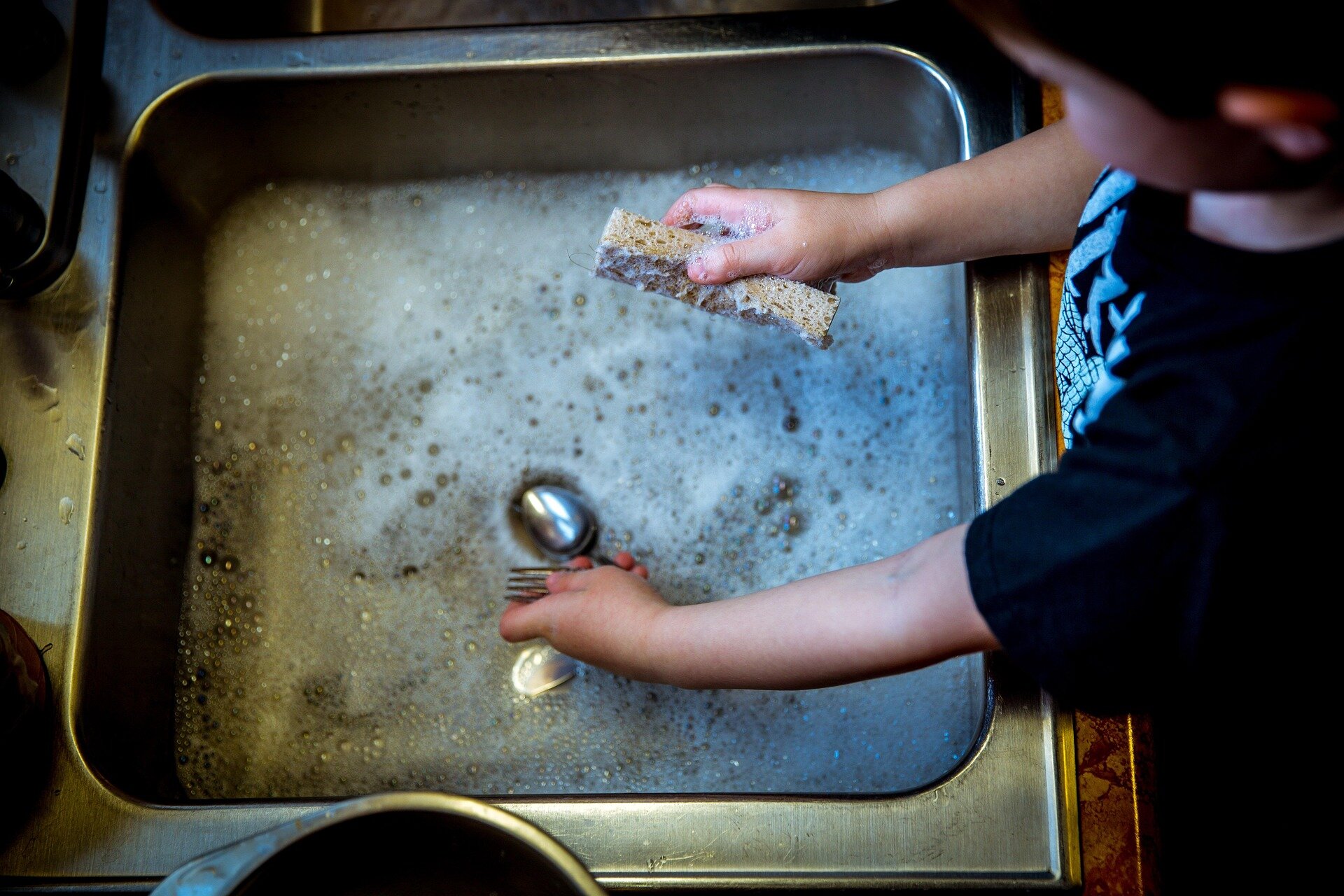
Kitchen sponge bacteria can include food-poisoning organisms that survive for weeks and spread during routine cleaning, according to research described by microbiologist Primrose Freestone in The Conversation. The finding matters because a sponge can look and smell normal while carrying microbes such as Salmonella enteritidis, E. coli or Staphylococcus aureus.
Freestone wrote that researchers in Germany grew bacteria in kitchen sponges under laboratory conditions, studied their DNA and examined the sponges with high-powered microscopes. The work found that bacteria could build sticky protective layers inside the sponge and remain alive for at least two weeks, including after the sponge had dried.
The researchers also reported that microbes inside a sponge could move to a kitchen countertop after a single wipe. Freestone said that means a contaminated sponge can serve as a reservoir, spreading bacteria to fresh surfaces during dishwashing or cleanup.
How long can bacteria survive in a kitchen sponge?
According to the German research cited by Freestone, food-poisoning bacteria survived in sponges for at least two weeks. A dry-feeling sponge does not mean the interior is free of moisture or microbes, because the sponge’s porous structure can hold water below the surface.
Freestone said microbiologists have known for about a decade that kitchen sponges can collect environmental bacteria, including both harmless microbes and those that may cause illness in some conditions. The newer work focused on infection risk by looking at how disease-linked bacteria behave inside sponges and how they can move from the sponge to another surface.
Prior research cited by Freestone found that bacteria can be absorbed into a sponge within minutes of first use. Squeezing the sponge can then release microbes back into the surrounding area.
Freestone also described research on sponges used for periods ranging from days to months. That work found mold after several weeks of use and found that bleach disinfection became less effective as sponges aged, meaning a heavily used sponge may not be fully sanitized after bleaching.
Why sponges are a good home for microbes
Freestone said the sponge’s open structure is part of the problem: it traps water, and bacteria and mold need water to persist and grow. Food residue left in a sponge can also feed microbes, while many kitchen sinks are warm enough to support organisms that grow well in those conditions.
Food-safety agencies link food-poisoning bacteria most often to raw foods such as meat, poultry and fish, Freestone wrote, while fruit and vegetables can also carry illness-causing bacteria and viruses. She advised using a disposable paper towel, rather than a sponge, for blood or other raw-food spills, followed by disinfecting the area with an antibacterial spray.
What can replace a kitchen sponge?
Freestone wrote that common colored sponges raise environmental concerns because many are made from petroleum-derived plastics, are difficult to recycle and are not biodegradable. Research has also linked them to microplastic shedding, prompting interest in alternatives.
Researchers in Portugal compared household dishwashing brushes and sponges, Freestone wrote. They found that brushes dried more quickly and carried fewer bacteria, including Salmonella, on their surfaces.
For people who continue using sponges, Freestone recommended reducing contamination first, spraying the sponge with disinfectant periodically during the day and replacing it weekly. She also pointed to biodegradable sponges as a more environmentally friendly option.
This story draws on original reporting from Phys.org.