
Human RNA ATP binding discovery advances search for natural ATPase
Ohio State researchers found a human noncoding RNA that binds ATP, a step toward testing whether RNA can help release cellular energy.
By Lucas Ferreira · Science & Environment Writer
3 min read
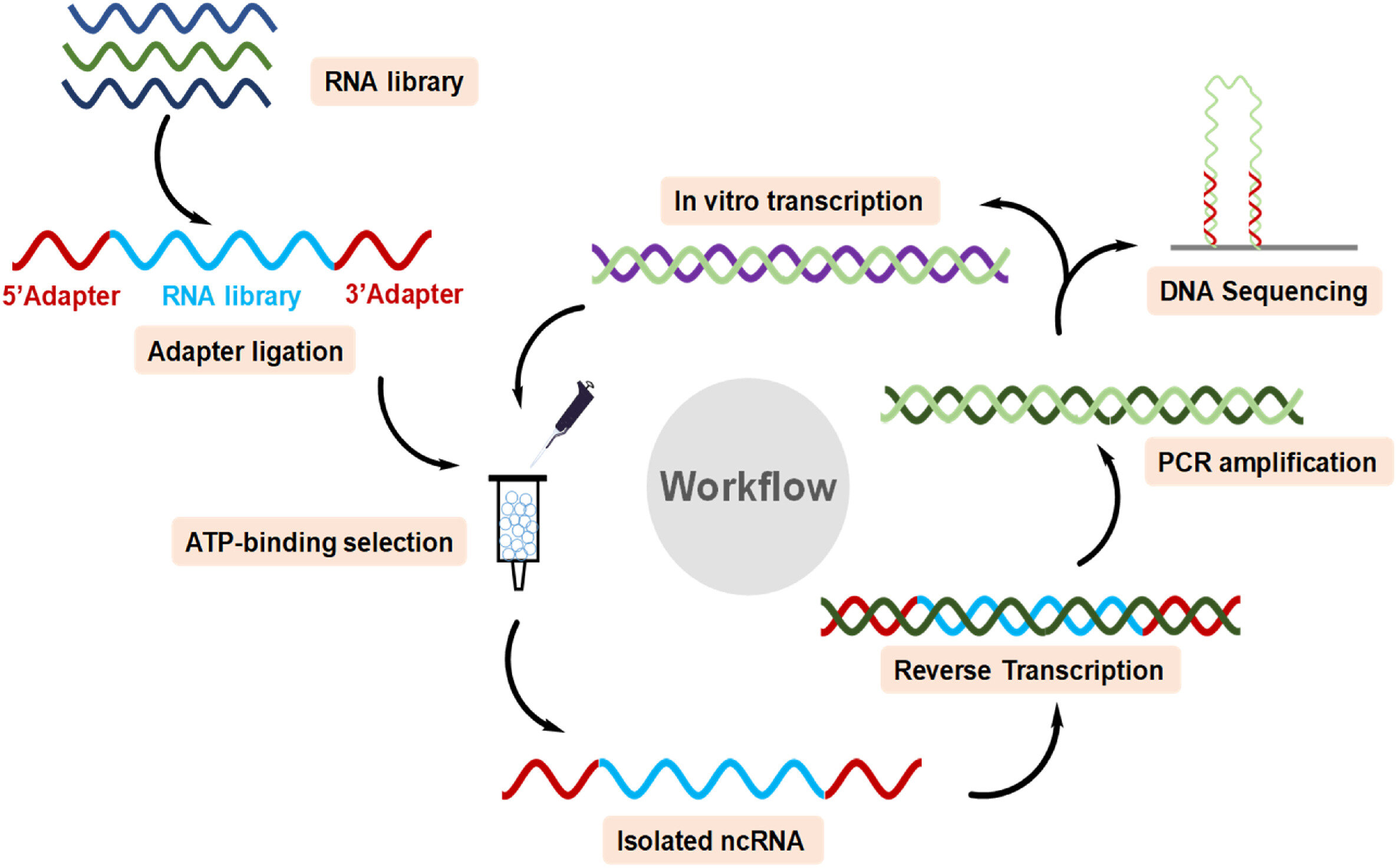
Human RNA ATP binding has been reported by researchers at The Ohio State University, who identified a noncoding RNA from human cells that attaches strongly to ATP. The finding matters because ATP is the cell’s main energy-carrying molecule, and scientists are testing whether RNA could one day be used to control how that energy is released.
The work, published in Non-coding RNA Research, does not show that the RNA releases energy from ATP. Ohio State said the team is now studying whether the molecule’s interaction with ATP resembles the work of ATPases, the protein enzymes known to start ATP breakdown in cells.
ATP powers cellular activity across the body, from heart muscle contraction to ordinary movement. According to Ohio State, ATP’s energy is generally understood to become available for cellular processes when ATPases trigger its decomposition.
Can human RNA bind ATP?
The Ohio State team found one human noncoding RNA that can bind ATP after screening RNA taken from human cells. First author Margaret Bohmer, a Ph.D. student in Peixuan Guo’s lab, carried out repeated selection rounds to separate RNAs that attached to ATP from those that did not, Ohio State reported.
After removing nonbinding RNA and enriching the remaining pool, Bohmer sequenced the candidates and confirmed a single noncoding RNA with strong ATP attachment. The RNA forms a G-quadruplex, a compact and stable structure, according to Bohmer.
Noncoding RNAs are RNA molecules that do not carry instructions for making proteins. Ohio State said Guo, the Sylvan G. Frank Endowed Chair Professor in the Division of Pharmaceutics and Pharmacology, has long studied functional noncoding RNAs and RNA-based nanoparticles.
Why ATPase-like RNA would matter
ATPases are enzymes, and enzymes are proteins. Guo told Ohio State that the idea of a noncoding RNA acting like an ATPase remains new, and that ATPase activity has not yet been found in an RNA.
If a natural RNA molecule could perform an ATPase-like job, it could offer researchers a smaller and more adaptable model than a protein, according to Ohio State. The university said such a molecule might help researchers design therapeutic nanoparticles that direct ATP’s energy toward a targeted task, such as killing cancer cells, or that block energy release linked to harmful cellular activity.
That therapeutic goal remains speculative at this stage. The reported result is ATP binding, and the team is still testing what the human RNA does after binding the molecule.
What clues came from viral RNA?
The study follows earlier work from Guo’s lab that identified a viral RNA capable of binding ATP. Ohio State said that viral molecule was part of an ATPase complex in a motor system, giving the researchers a reason to ask whether the newly identified human RNA could have a related function.
Guo’s group has also reported evidence that viral packaging RNAs, known as pRNAs, changed structurally over evolution while retaining motor-related biological roles. The researchers said that pattern suggests some RNA structures, like protein enzymes, could support catalytic reactions in cells.
The team’s next step is to determine how the G-quadruplex RNA binds ATP and whether it participates in ATP decomposition. Until that is shown, the discovery is a lead in the search for RNA-based energy-control tools rather than proof that human RNA can act as an ATPase.
This story draws on original reporting from Phys.org.