
Horse owners’ psychology linked to riding, training and tack choices
A survey of 2,239 horse owners found ties between attachment style, personality and how people spend time with and equip their horses.
By Priya Raghavan · Science Reporter
3 min read
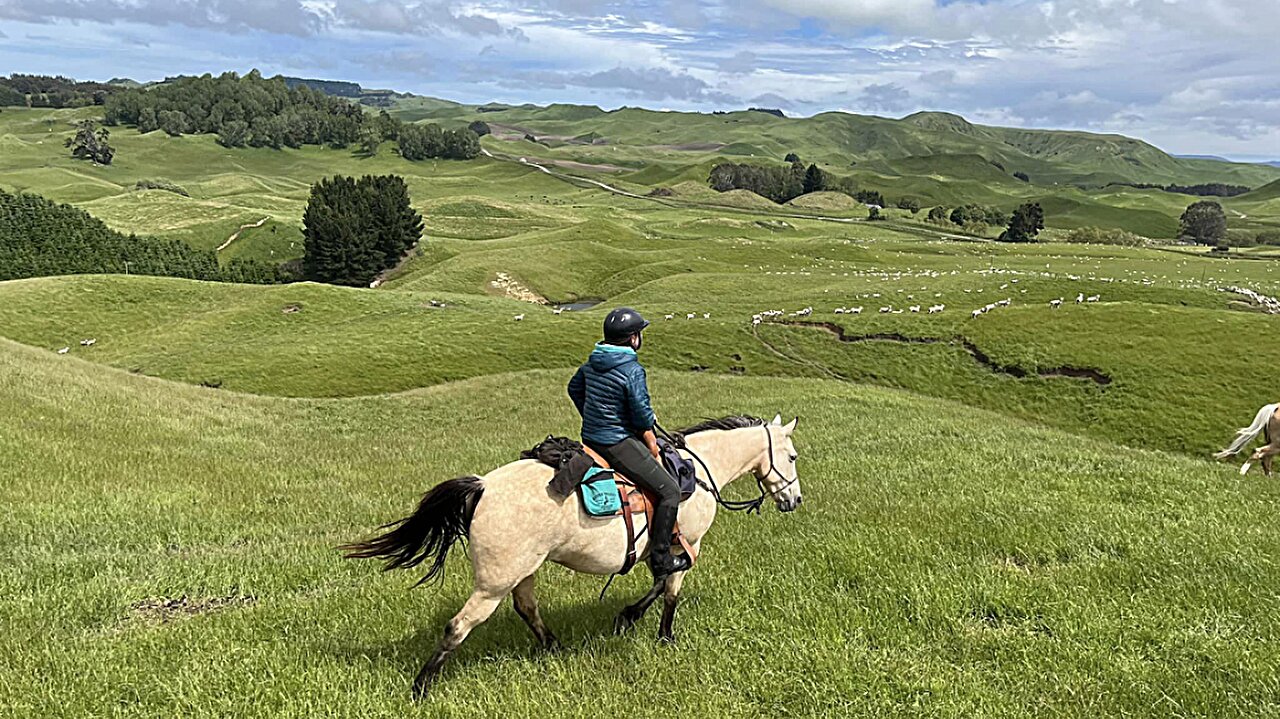
Horse owners’ attachment styles and personality traits are linked with how often they ride, train and spend informal time with their animals, according to a new study. The findings point to human psychology as one factor that may shape day-to-day horse care and welfare.
The research, published in Anthrozoös, was led by Océane Liehrmann, a postdoctoral researcher affiliated with the University of Turku in Finland and the Swedish University of Agricultural Sciences. According to the University of Turku, the international team surveyed 2,239 horse owners around the world.
The survey asked owners about their interactions with their horses, including riding, groundwork training and time spent together without a specific training aim. It also asked what headgear they used: a bit, bitless equipment or both.
To assess psychology, the researchers used the Horse Attachment Questionnaire, a tool previously validated by the group, and the Short Five Questionnaire for personality traits. Attachment style, a concept first developed to study human relationships, describes patterns such as emotional avoidance or anxiety over closeness and rejection.
Emotional distance tied to less contact
The researchers reported that owners who spent more time with their horses tended to show stronger emotional connection to them. That pattern applied across riding, training and time spent in the horse’s presence.
Owners with higher avoidant attachment, meaning a tendency toward emotional distance, reported less frequent interaction with their horses, according to the study. Liehrmann said the pattern resembles findings from companion-animal research, where more avoidant owners tend to be less engaged with pets.
The length and type of relationship also appeared to matter. The study found that owners who regularly spent unstructured “quality time” with their horses tended to have stronger bonds, according to the University of Turku.
Owners who had known their horse for longer periods also showed lower avoidant attachment. Those whose relationship with a horse had lasted more than 10 years were about 15% less avoidant than owners in relationships of less than one year, the researchers reported.
Personality differences were modest
The study also found smaller associations between personality traits and equestrian habits. Owners who rode more often tended to score slightly higher on organization, outgoingness and emotional stability, according to the researchers.
Owners who did groundwork more frequently tended to score higher in openness to new experiences. The research team suggested that this may reflect interest in less traditional or more horse-centered approaches to training, while noting that the differences were subtle.
Headgear choice was also linked with owner psychology in the survey. Owners who used bitless gear, or who alternated between bitted and bitless headgear, tended to score slightly lower in emotional distancing than owners who used only a bit, according to the study.
Owners who used both kinds of headgear also tended to score higher in openness to new experiences. The researchers cautioned that tack choices depend on many other factors, including riding discipline, training history and the needs of the individual horse.
The University of Turku said the study does not identify any one practice as good or bad. Instead, the researchers said the results suggest that helping horse owners recognize their own tendencies could support better communication, training and welfare over time.
This story draws on original reporting from Phys.org.