
Gum disease bacterium tied to possible heart valve damage
Preliminary research links Porphyromonas gingivalis to inflammation and calcium buildup in aortic valves, a pathway that may contribute to CAVS.
By Priya Raghavan · Science Reporter
3 min read
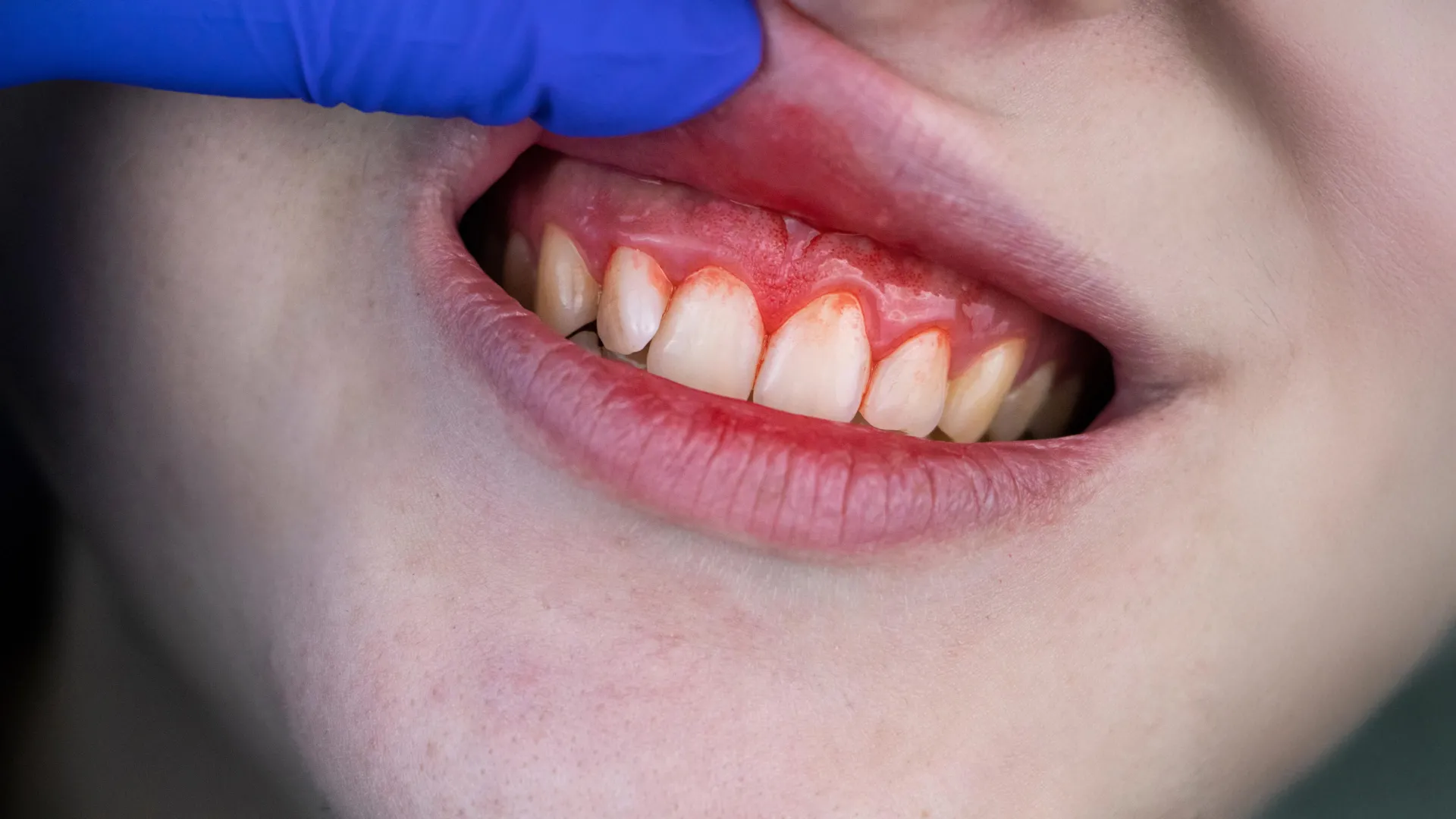
A bacterium involved in gum disease may help drive damage in the heart’s aortic valve, according to preliminary research presented by the American Heart Association. The finding matters because calcific aortic valve stenosis can restrict blood flow from the heart and, in severe cases, is treated with valve replacement.
The research was presented at the American Heart Association’s Basic Cardiovascular Sciences Scientific Sessions 2026 in Boston, held July 13-16. The work was released as a scientific meeting abstract, so the findings have not yet been peer reviewed or published as a full journal paper, according to the association.
The study focused on Porphyromonas gingivalis, or P. gingivalis, a bacterium associated with periodontal disease. The American Heart Association said prior research has connected the bacterium with body-wide inflammation and higher risk of cardiovascular disease, including coronary artery disease and artery plaque buildup.
What the researchers found
The team examined bacterial levels in heart valve tissue from people who were undergoing valve replacement surgery, according to the American Heart Association. Researchers compared calcified aortic valves from people with calcific aortic valve stenosis, known as CAVS, with valve tissue from patients who had other heart valve conditions.
Chenyang Li, a co-lead author and Ph.D. candidate in cardiology at Fuwai Hospital’s National Center for Cardiovascular Diseases in Beijing, said the amount of P. gingivalis found in calcified valves was unexpected, according to the association. Li said the bacterium was not among the most common bacteria overall, but it showed one of the largest differences between CAVS valves and non-CAVS valves.
The researchers then tested the possible mechanism in mice, the American Heart Association said. Mice were exposed repeatedly to live or heat-inactivated P. gingivalis to assess whether the bacterium gathered in the aortic valve, increased calcium buildup and produced signs consistent with aortic stenosis.
According to the association, repeated exposure to live P. gingivalis led to bacterial accumulation in mouse aortic valves, more valve calcification and symptoms of aortic stenosis. Preventive antibiotic treatment reduced those effects, the researchers reported.
The team also identified interleukin-1 beta, or IL-1b, as part of the inflammatory pathway involved, according to the American Heart Association. In additional mouse experiments, genetically removing IL-1b reduced valve calcification and disease symptoms even when P. gingivalis was present.
Why oral health is part of the discussion
CAVS develops as the aortic valve thickens and becomes calcified, making it harder for blood to move from the heart to the body, according to the American Heart Association. The association said the condition may begin without symptoms but can later cause fatigue, chest pain, shortness of breath, fainting, heart failure and premature death.
Li said no medications have been proven to prevent or slow CAVS, according to the American Heart Association. Li said the findings could support more research into prevention and treatment, while adding that it is too early to recommend a specific CAVS prevention therapy based on the study.
Eduardo Sanchez, the American Heart Association’s chief medical officer for prevention, said the study adds to evidence connecting oral health and heart health. Sanchez said dental professionals can help identify periodontal disease early and connect patients with medical care because dental visits are often a person’s main contact with the health system.
The American Heart Association said the research team has begun a clinical study in people to further test the possible connection between periodontal disease and CAVS. Until human confirmation is available, the association framed the findings as an early signal that gum health may be relevant to heart valve disease risk.
This story draws on original reporting from ScienceDaily.