
France pyrocumulonimbus wildfire forces firefighters into defense
A southwest France wildfire has produced the country's first reported pyrocumulonimbus, a fire cloud that can make winds and lightning.
By Tom Brennan · Health & Medicine Correspondent
3 min read
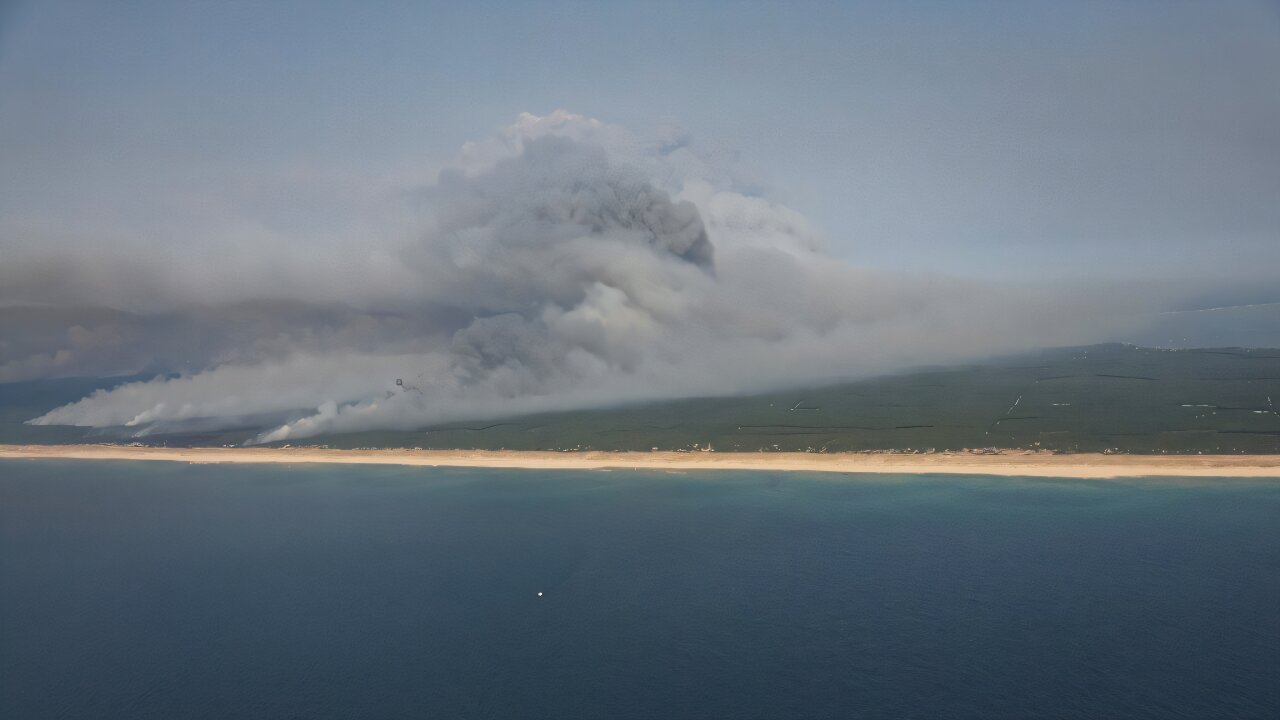
A France pyrocumulonimbus wildfire has put firefighters up against a fire-generated weather system that officials say the country has not faced before. The cloud can create shifting winds and lightning, making the blaze harder to predict and far more dangerous for crews and residents.
Lt. Col. Eric Brocardi, spokesman for the National Firefighters Federation of France, told AFP that the large wildfire in southwestern France has produced an extremely dangerous pyrocumulonimbus. The phenomenon is also known as a cumulonimbus flammagenitus, or fire cloud.
Brocardi said the formation is unprecedented in France, although similar fire-driven clouds have been seen in countries with severe wildfire seasons, including Australia and Canada. NASA has described such clouds as the “fire-breathing dragon of clouds.”
What is a pyrocumulonimbus?
A pyrocumulonimbus forms when intense heat from a wildfire forces air near the ground to rise rapidly. As that hot air climbs into cooler air above, it condenses into a towering cloud filled with smoke and turbulence.
Brocardi told AFP that the cloud over the southwest France fire is dry rather than rain-bearing. He said it can build its own weather system, with winds that change direction and lightning that can strike embers on the ground, adding new fuel to the fire.
That behavior changes the way the blaze spreads. Brocardi said an ordinary fire may advance in a more defined cone, while a convective fire driven by its own winds can push outward in several directions and create multiple fronts.
Can France's pyrocumulonimbus wildfire be controlled?
Brocardi told AFP that firefighters cannot attack the blaze directly under the current conditions. He described the situation as one in which crews must look for weak points instead of trying to meet the main fire head-on.
He said a major break would have to come either from sustained heavy rain or from steering the fire into an area where it would run out of fuel. As an example, he cited the sea as a place where the fire could stop on its own.
The shifting fire fronts have pushed operations into a defensive posture, according to Brocardi. He said the priority is protecting people, defending critical sites and carrying out tasks such as animal rescues where crews can still act safely.
Brocardi said firefighters have reached what he called an “operational impossibility,” requiring tactical withdrawal in some places and a clear understanding of what crews can and cannot do. He told AFP that those limits do not mean the work is useless, because each defensive action can still reduce harm.
The fire service also cannot send every available firefighter in France to the southwest, Brocardi said, because the threat of fire exists in other regions as well. For now, he said, crews are trying to hold positions, relieve exhausted teams and keep people out of danger while waiting for conditions that give them a chance to act.
This story draws on original reporting from Phys.org.