
Fossil teeth point to lost marsupial order in Australia
UNSW researchers say fossils from Queensland may reveal Keeunamorphia, an ancient marsupial line that lasted tens of millions of years.
By Priya Raghavan · Science Reporter
3 min read
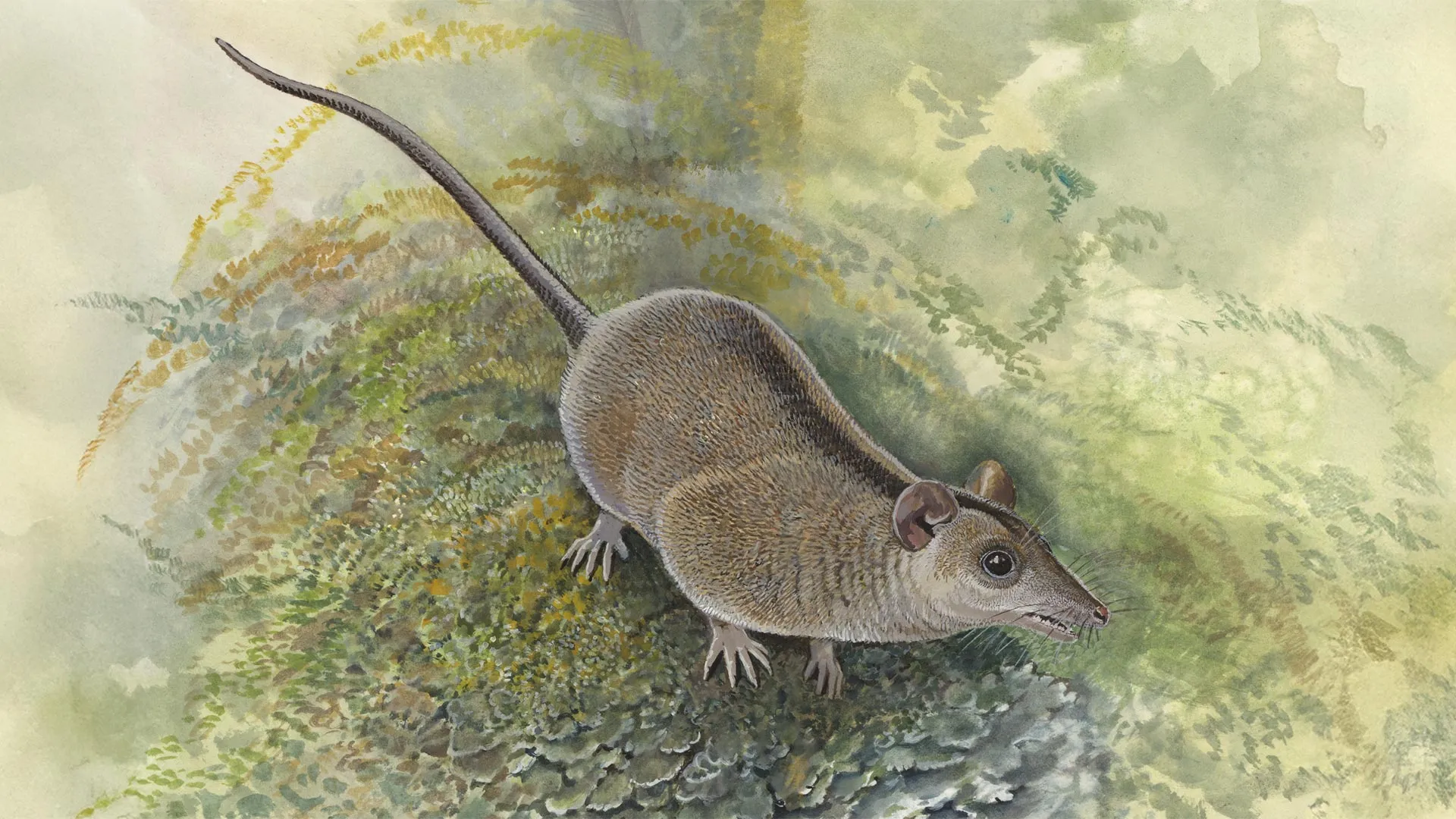
Fossils from northwestern Queensland may represent a previously unrecognized order of marsupials that survived in Australia for about 35 million years, according to researchers at the University of New South Wales. The finding complicates the standard account of how Australia’s mammals diversified after marsupials reached the continent more than 55 million years ago.
In a study published in the Journal of Paleontology, Timothy James Churchill and colleagues describe three species from the Early Miocene deposits of the Riversleigh World Heritage Area. UNSW said the animals may belong to a proposed sixth order within Australidelphia, the superorder that includes Australian marsupials and one South American group.
Churchill, a UNSW paleontologist, has proposed the name Keeunamorphia for the group. According to UNSW, the animals were probably small insect eaters weighing about 25 to 200 grams and lived in forests in what is now northern Queensland.
The three described species lived about 18 million years ago, the research team reported. Their remains were preserved after parts of their bodies ended up in shallow cave pools at Riversleigh, a fossil site known for deposits that document ancient Australian animals.
The evidence is limited but useful. UNSW said the researchers worked mainly from teeth and jaw fragments, because complete skeletons are uncommon in the fossil record. The team compared those fossils with information from living marsupials to build a phylogenetic tree, a model used to estimate how species are related and when lineages split.
The teeth did not match the better-known marsupials found alongside them, according to the university. Instead, the fossils showed similarities to Djarthia murgonensis, an extinct marsupial that lived about 35 million years earlier and is often treated as an early model for Australian marsupials.
Churchill said, according to UNSW, that the animals appeared more primitive than other marsupials living at the same time and may have followed a separate evolutionary path. He also said the group could be among the oldest lineages of Australian marsupials and may be connected to the early ancestry of marsupial carnivores.
The proposal challenges a simpler reading of marsupial history. UNSW said the accepted broad outline holds that marsupials entered Australia from South America by way of Antarctica before Gondwana broke apart. Fossils from about 55 million years ago have supported the idea that Australian marsupials came from one early lineage that later gave rise to modern groups.
Keeunamorphia points to a messier picture, according to Churchill. He said Australia, while still linked to Gondwana, may have held several primitive marsupial-like groups, with some surviving long enough to contribute to later lineages.
UNSW said Keeunamorphia appears to have vanished around 15 million years ago. Around 14 million years ago, Churchill said, the region began to cool, dense rainforest gave way to more open woodland, and lakes and grasslands became more common.
The researchers also noted a large gap in the Australian marsupial fossil record. UNSW said nearly 20 million years remain poorly documented, leaving room for additional early branches that have not yet been found.
This story draws on original reporting from ScienceDaily.