
Experimental antibody blocks prostate cancer spread in preclinical study
Researchers reported that a fully human antibody halted aggressive prostate cancer growth and spread in preclinical tests.
By Priya Raghavan · Science Reporter
3 min read
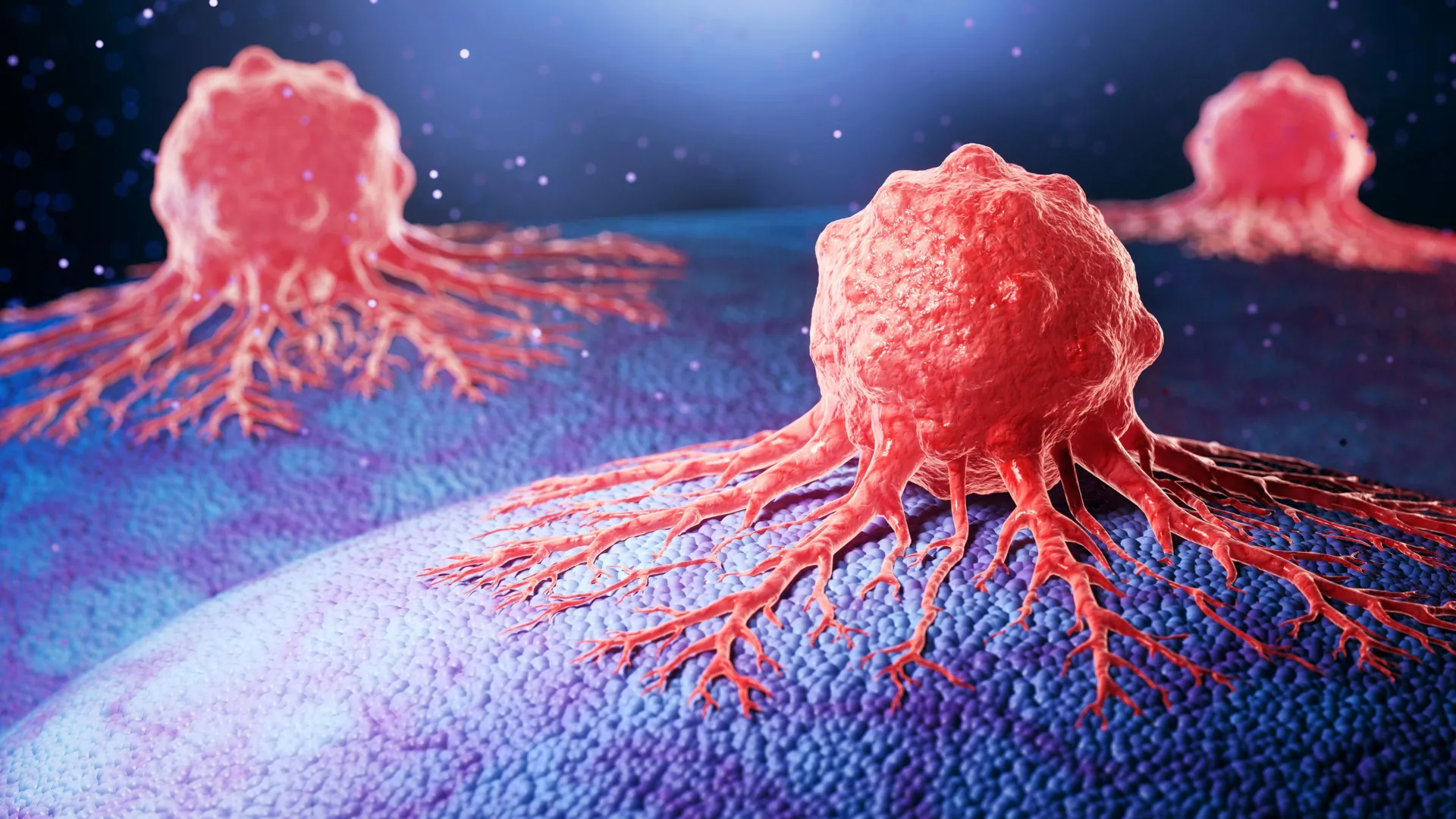
Researchers in Sweden have developed an experimental antibody that stopped aggressive prostate cancer from growing and spreading in preclinical studies. The work matters because metastatic prostate cancer is the form of the disease most likely to threaten patients’ lives, and the treatment is still early in development.
Umeå University said the antibody was created by researchers there and at collaborating institutions. The findings were published in the journal Signal Transduction and Targeted Therapy, according to the university.
The study focused on aggressive prostate cancer, including disease that no longer depends on androgen signaling, according to the journal reference. The paper reported that targeting oncogenic TβRI signaling inhibited prostate cancer growth and metastasis in the preclinical research.
Prostate cancer is one of the most commonly diagnosed cancers in men, Umeå University said. Many tumors grow slowly and do not become life-threatening, but in some patients the cancer becomes aggressive and spreads outside the prostate, often to lymph nodes and bones.
Maréne Landström, professor of pathology at Umeå University’s Department of Medical Biosciences and leader of the study, said the drug was designed to prevent metastasis. She said the research team identified mechanisms involved in cancer cell growth, invasiveness and metastatic spread, according to the university.
Antibody designed for drug development
The antibody is fully human, meaning it is made from human proteins, Umeå University said. The university said that feature gives it properties considered suitable for development as a therapeutic drug.
In preclinical testing, the antibody blocked tumor growth and metastatic spread in an aggressive form of prostate cancer, according to the university. Researchers said it acts through a newly identified mechanism, and they suggested that this could mean a lower risk of side effects, though that has not yet been established in patients.
Landström said the results are a promising step, but further work is required before the treatment could be used clinically. Umeå University said additional safety studies are needed, and any treatment would have to be cleared by regulators in Europe or the United States.
The project’s stated goal is to improve survival prospects and quality of life for men with advanced prostate cancer. Umeå University said the work has taken several years and involved multiple research groups, organizations and funders.
Next tests may include other tumors
Drug development specialists at the SciLifeLab Drug Discovery and Development Platform helped create the antibody used in the study, according to Umeå University. The Umeå Biotech Incubator also supported the work, and the university said funding from Umeå-based MetaCurUm Biotech AB was essential for development and testing.
The researchers now plan to study whether the same treatment approach could be used against other solid tumors, Umeå University said. Landström said the team hopes the work will contribute to a new cancer drug that can benefit patients.
The study was funded by the Knut and Alice Wallenberg Foundation, the Erling Persson Foundation, the Kempe Foundations, the Swedish Research Council, the Swedish Cancer Society, ALF funding, the Swedish Prostate Cancer Federation, the Cancer Research Foundation in Northern Sweden and Umeå University’s Faculty of Medicine, according to the university.
This story draws on original reporting from ScienceDaily.