
Elephant mRNA vaccine shows early protection against EEHV
Two Journal of Virology studies report that vaccinated Asian elephants mounted immune responses and two infected juveniles avoided severe EEHV disease.
By Tom Brennan · Health & Medicine Correspondent
3 min read
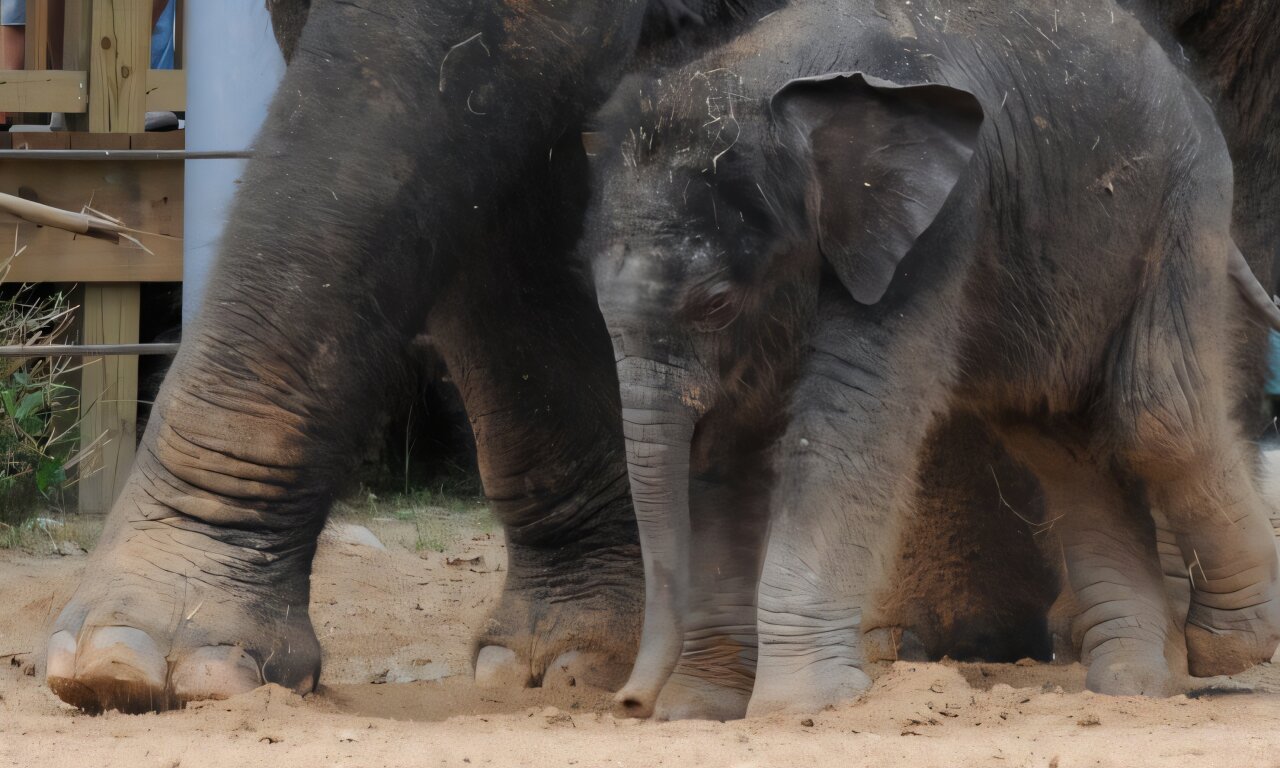
An elephant mRNA vaccine developed through a Baylor College of Medicine and Houston Zoo partnership has produced the first peer-reviewed signs that vaccination may protect Asian elephants from severe EEHV disease. The findings matter because Baylor and the zoo say elephant endotheliotropic herpesvirus remains the leading cause of death for juvenile Asian elephants in North American zoos and threatens calves in Asia.
Two companion papers in the Journal of Virology and the Journal of Virology describe development and testing of what the institutions identify as the first mRNA vaccine administered to elephants. The studies report immune responses in vaccinated elephants and clinical protection in two vaccinated juveniles that later encountered EEHV1A through natural infection.
What is EEHV in elephants?
EEHV, or elephant endotheliotropic herpesvirus, is a herpesvirus that can cause severe hemorrhagic disease in elephants, especially young Asian elephants. Baylor College of Medicine and Houston Zoo describe it as one of the most serious health threats facing juvenile Asian elephants.
The vaccine work grew from a collaboration that began in 2009 after a young elephant at Houston Zoo died from EEHV, according to Baylor College of Medicine. The partnership with BCM virologist Dr. Paul Ling has also contributed to better diagnostics, treatment methods and prevention research for the disease, the institutions said.
Houston Zoo’s Asian elephant Tess received the experimental EEHV mRNA vaccine on June 18, 2024, becoming the first elephant given the shot, according to Baylor College of Medicine. Houston Zoo elephants Winnie and Teddy also took part in the study.
What did the elephant vaccine studies find?
One study tested a multi-antigen mRNA vaccine in nine Asian elephants housed at five zoological institutions, including Houston Zoo. Researchers reported that the vaccine produced lasting immune responses against important EEHV proteins.
A second study examined what happened after two vaccinated juvenile elephants at Cincinnati Zoo were naturally infected with EEHV1A. According to the Journal of Virology paper, both remained clinically healthy, did not need medical treatment and recovered without developing hemorrhagic disease.
Ling, a professor of molecular virology and microbiology at Baylor College of Medicine, said the papers provide the first published evidence that vaccination can trigger immune responses that may protect elephants from severe disease after primary EEHV infection. He also said more research is needed before the vaccine can be considered a finished tool for protecting calves.
Houston Zoo president and CEO Lisa Peterson said the findings reflect years of work by researchers, veterinarians and elephant care teams. She said EEHV has been among the biggest dangers for young Asian elephants and that the results offer hope for future protection.
The papers were led by Michael Wenninger and colleagues on clinical protection from an EEHV1A mRNA vaccine, and Lauren Farris and colleagues on evaluation of a multi-antigen mRNA vaccine against EEHV1A. Both were published in the Journal of Virology in 2026.
Baylor College of Medicine said the work is continuing. Researchers are developing next-generation EEHV vaccines for Asian elephants and are studying vaccine approaches for African elephants.
This story draws on original reporting from Phys.org.