
Dream content study links sleep, personality and real-world events
Researchers found dreams mix daily life with personality, sleep quality and outside events, including the COVID-19 lockdown.
By Lucas Ferreira · Science & Environment Writer
3 min read
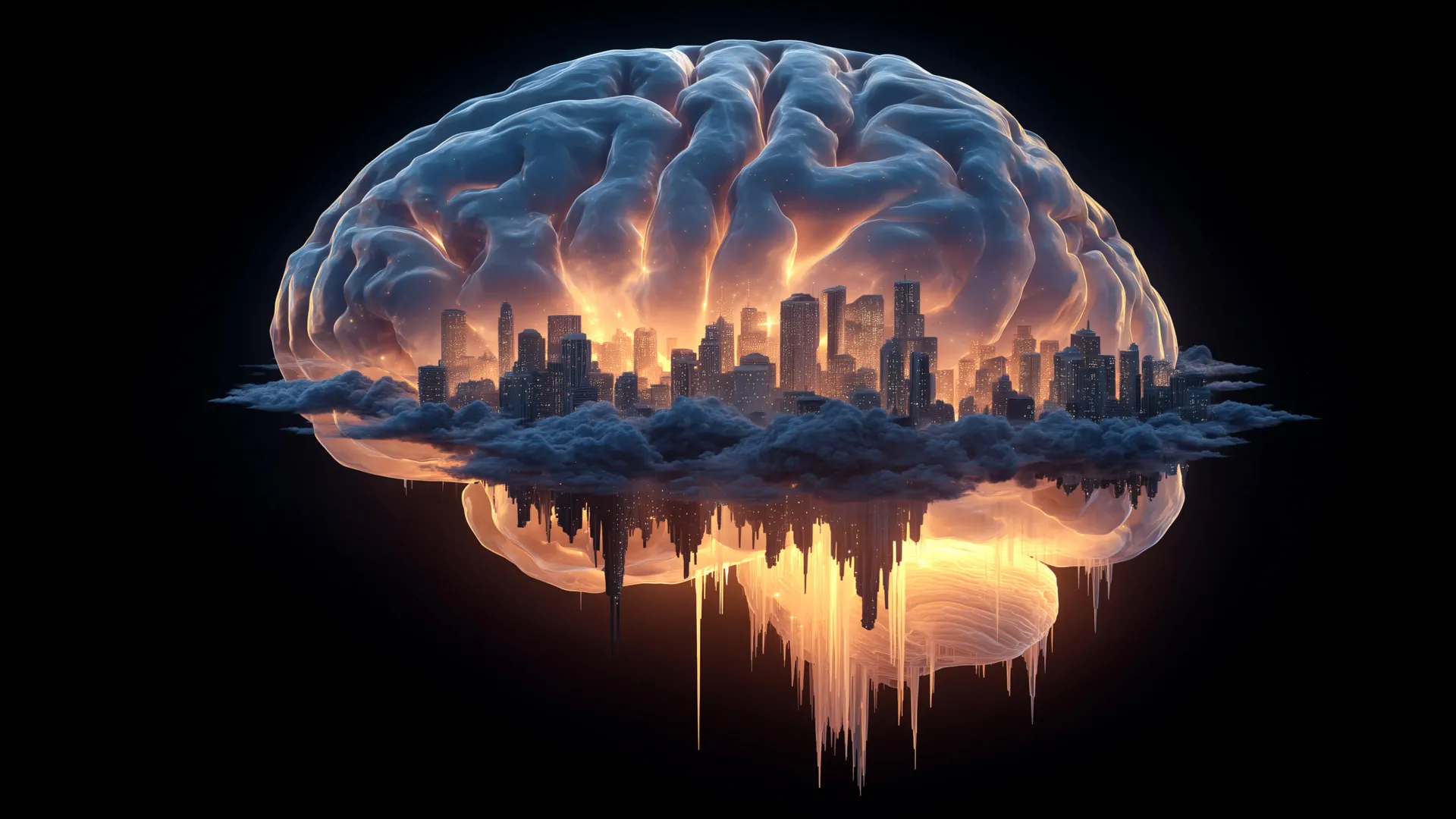
A new dream content study suggests sleep experiences are shaped by more than stray mental images. Researchers at the IMT School for Advanced Studies Lucca reported that dreams appear to blend personality, memory, emotion, sleep quality and events in the wider world.
The research, published in Communications Psychology, analyzed more than 3,700 written accounts of dreams and waking life from 287 adults ages 18 to 70. Participants kept records for two weeks, while researchers also gathered information about their sleep habits, personality, cognitive abilities and psychological traits.
What shapes dream content?
The IMT-led team found that dreams did not closely copy events from the day. Instead, dream reports showed familiar places and experiences rearranged into new situations, with ordinary settings such as workplaces, hospitals or classrooms mixed with unrelated scenes or changing points of view.
That pattern led the researchers to describe dreaming as a process that reorganizes waking life rather than replaying it. In their account, the sleeping brain combines memories with emotions, expectations, imagination and possible future situations.
Individual traits also appeared to matter. People who reported more mind-wandering while awake tended to describe dreams that were more broken up and quick to shift between scenes, ideas or perspectives, according to the study.
Participants who said they assigned more personal meaning to dreams tended to report more detailed and absorbing dream experiences. The researchers did not say that this belief causes more vivid dreams, but they found a relationship between a person’s attitude toward dreaming and the way dreams were experienced or recalled.
How researchers used AI to read thousands of dream reports
To examine the large set of written reports, the team used natural language processing, a branch of artificial intelligence that detects patterns and relationships in language. In this study, the method was used to assess how ideas and concepts were connected inside each account.
The researchers reported that the AI models identified structure and meaning in the dream descriptions with accuracy similar to independent human evaluators. That finding points to a possible way to study large collections of dream accounts more consistently, according to the team.
Valentina Elce, a researcher at IMT School and lead author of the paper, said the findings indicate that dreams reflect an active process shaped by personal characteristics and lived experience. She said computational methods helped reveal patterns that would have been difficult to detect at scale.
How did the COVID-19 lockdown affect dreams?
The study also compared dream reports collected during the COVID-19 lockdown by researchers at Sapienza University of Rome with later data gathered by the IMT team. During lockdown, dreams included stronger emotions and more references to restrictions, barriers, confinement and other limits, according to the researchers.
Those themes weakened in later months and years. The team said that shift suggests dreams may change as people adjust psychologically to stressful or disruptive events.
The work was carried out by researchers from the IMT School for Advanced Studies Lucca, Sapienza University of Rome and the University of Camerino. Funding came from the BIAL Foundation and the TweakDreams ERC Starting Grant.
This story draws on original reporting from ScienceDaily.