
Domestic gardens air quality benefits lack direct evidence, review finds
A UEL-led review found no direct proof that home gardens reduce air pollution, despite their large footprint in UK towns and cities.
By Tom Brennan · Health & Medicine Correspondent
3 min read
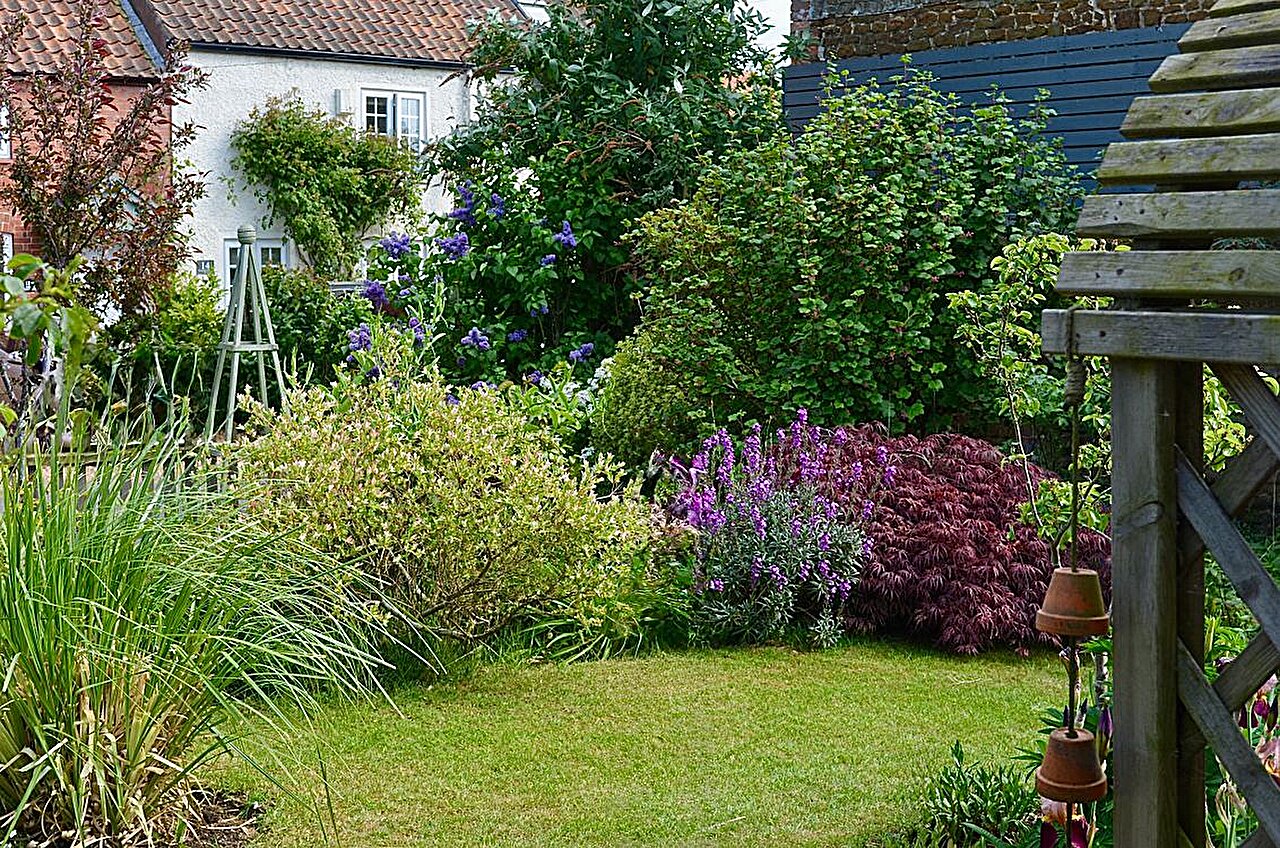
A University of East London-led review says the evidence on domestic gardens air quality is far thinner than their role in urban life would suggest. The researchers found no direct studies showing whether household gardens cut pollution levels or improve the air people breathe at home.
The review, published in Nature-Based Solutions, examined more than 34,000 studies. According to the university, only 43 met the team’s criteria for research on gardens and air pollution, and none directly measured whether domestic gardens reduced pollutant concentrations or improved household air quality.
The gap matters because private gardens make up a large share of urban green space. The review cites an estimated 25.8 million gardens in the U.K. covering about 959,800 hectares, while domestic gardens account for about 41% of London’s total area.
Do gardens reduce air pollution?
The review says researchers cannot yet answer that question for real household gardens. Studies of broader green infrastructure show that trees, hedges, shrubs, green walls and other vegetation can trap particulate matter on their surfaces and absorb some gaseous pollutants, but the authors say those findings cannot be assumed to apply at home.
A domestic garden is a residential green space shaped by more than plants. The UEL-led team said houses, fences, sheds, parked cars, road distance, planting patterns and local weather can all affect how polluted air moves through a small outdoor space.
That can create trade-offs. Dense vegetation may catch particles on leaves, but it may also reduce ventilation and allow pollution to build up in some settings, according to the review. Hedges may help screen a garden from traffic emissions, but their effect depends on height, density, distance from the road, nearby buildings and weather.
Dr. Karina Corada-Pérez, a research fellow in air quality and green infrastructure at UEL’s Sustainability Research Institute and the review’s lead author, said the common view of gardens as healthy spaces is supported by many benefits, but the air-quality question remains unresolved. She said research in actual domestic gardens is needed before homeowners, planners and policymakers can receive reliable advice on planting choices.
What does the review say about growing food near roads?
The review also points to unresolved questions for people who grow fruit, vegetables and herbs close to heavy traffic or industrial areas. Previous studies cited by the researchers found higher concentrations of metals, including lead, in some edible plants grown near major roads.
According to the review, leafy herbs such as parsley and mint tended to accumulate more metals than root vegetables or legumes. Some crops grown within 10 meters, or 33 feet, of busy roads exceeded European threshold values.
The researchers did not frame that as a reason to stop growing food at home. They said more work is needed to understand how garden location, barriers, vegetation and planting arrangements affect the movement of airborne pollution into soils and crops, especially in more polluted neighborhoods.
Why plant choice may be complicated
The review says selecting plants for cleaner air is unlikely to be a simple matter. Rough, hairy or waxy leaves can trap pollution particles, while conifers may capture more fine particles because they have dense evergreen foliage.
Some species can also release naturally occurring compounds that may contribute to secondary air pollution under some conditions, according to the researchers. Other plants produce pollen that is highly allergenic.
Everyday gardening may also affect local air quality, though the review says the effects remain poorly understood in domestic settings. Mowing, pruning and using gasoline-powered equipment can create emissions or release plant-derived compounds.
The authors said future studies should focus on how pollution moves through small residential spaces, how plant type and placement affect exposure, and how air-quality aims interact with biodiversity, cooling, flood control, food production and well-being. They argued that future guidance should be based on measurements from real homes and neighborhoods rather than assumptions drawn from parks, street canyons or other larger green spaces.
This story draws on original reporting from Phys.org.