
DNA vacuum study maps Danish wildlife from air samples
University of Copenhagen researchers used air filters to detect local animal DNA in three Danish nature areas, advancing biodiversity monitoring.
By Priya Raghavan · Science Reporter
3 min read
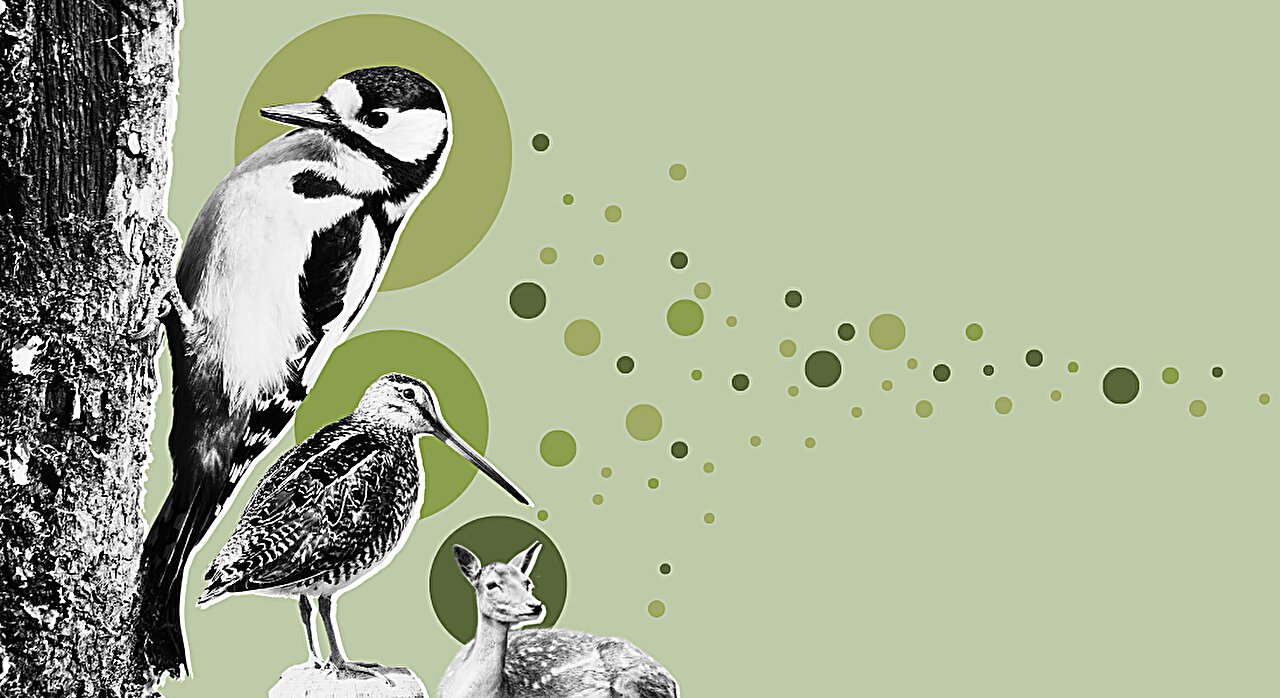
A DNA vacuum study from University of Copenhagen researchers has shown that air samples can reveal which animals are present in Danish natural areas. The work could give conservation teams another way to monitor biodiversity without relying only on sightings, cameras or tracks.
The researchers reported the results in two studies published in Communications Biology and Methods in Ecology and Evolution. They tested the approach at Æbelø north of Funen, Kalvebod Commons on Amager and Lille Vildmose in northern Jutland.
How does the DNA vacuum work?
The device uses a computer fan inside a plastic box to pull surrounding air through a filter. Animal DNA carried in the air settles on the filter, which researchers later analyze.
That material is environmental DNA, or eDNA: genetic traces that animals shed through skin cells, hair, feathers and other small biological remnants. The Copenhagen team hung the devices in trees, sequenced DNA from the filters and compared the results with animal DNA databases.
Kasun Bodawatta, a postdoctoral researcher at the Globe Institute and a lead author on both studies, said the findings suggest the method is detecting nearby wildlife rather than distant species. According to the University of Copenhagen, the researchers did not find DNA from animals that should have been present only far away from the sampling sites.
What animals did researchers find in the air samples?
At Kalvebod Commons, the team detected DNA from species including Eurasian teal, common snipe, bearded reedling and northern lapwing, according to the university. At Lille Vildmose, the samples included traces of tawny owl, great spotted woodpecker, Eurasian bullfinch and European bison.
On Æbelø, a forested island, the researchers found genetic evidence from animals including white-tailed eagle, long-eared owl and European fallow deer. The detections matched species characteristic of the areas, the university said.
One of the studies tested how filter type, airflow and storage temperature affected DNA capture. In that work, the researchers recorded 52 bird species, 19 mammals and one amphibian species across the three Danish sites.
The second study examined how long sampling should continue. In Lille Vildmose, that work found traces from 54 bird species, 18 mammals and one amphibian species, according to the research summary.
Why airborne DNA could help biodiversity monitoring
The Copenhagen group was among the first to show in 2022 that airborne DNA sampling could detect animals in Copenhagen Zoo. The team later showed the method could collect animal DNA in a forest area on Zealand, and the new studies extend the approach across more natural settings.
Kristine Bohmann, an associate professor at the Globe Institute and senior author of the studies, said the method could become an additional tool for mapping where species occur. The university said possible uses include checking whether threatened species are present and spotting invasive species early.
The researchers are still studying how airborne animal DNA moves through space and changes over time. They also plan to test how the technology performs outside Denmark, including in tropical climates.
This story draws on original reporting from Phys.org.